
24/7 Customer Support

Free returns

Same-day & Next-day Delivery

Quality Guaranteed

Unlock Your Welcome Offers: FREE Delivery | Up to 80% OFF | Free 30-day JoyPlus trial
Download the APP
A well-planned display can make a patio, balcony or front entrance feel more inviting, but buying garden planters and plant display accessories without checking the practical details can lead to unnecessary expense. A planter may look like natural stone or timber, yet still be awkward to move, unsuitable for the available space or difficult to keep stable in windy weather.
The same applies to plant stands, artificial flowers and children’s outdoor playhouses. Attractive photography does not always reveal dimensions, drainage arrangements, material limitations or assembly requirements. This guide explains what to check before buying, with practical options for UK homes and gardens.
A wood-effect planter or stone-effect planter can provide a decorative finish, but the shape and depth matter more than the surface design. Shallow containers may suit annual flowers and herbs but may not provide enough room for shrubs or plants with deeper root systems.
Before buying, consider:
A large container filled with wet compost can become difficult to move, even when the planter itself is described as lightweight.
Outdoor planters are exposed to rain, frost, strong sunlight and occasional impacts. Recycled plastic planters can avoid some of the maintenance associated with real timber, but they still need appropriate positioning. Artificial flowers may be described as UV-resistant faux flowers, but prolonged direct sunlight can eventually affect some plastics.
Check whether the product information specifies:
For balconies and roof terraces, also consider the combined weight of the planter, compost and water. Check any applicable building or landlord restrictions before creating a substantial display.
Waterlogged compost can damage plant roots, while containers without drainage may need an inner pot or carefully managed watering routine. Not every decorative planter or plant stand includes drainage.
A plant stand should also sit on a level surface. Tall or tiered plant stands may be space-efficient, but they can become unstable if heavily loaded or positioned where strong wind is common. Secure outdoor displays where appropriate and avoid placing breakable pots on upper shelves in busy walkways.
Recycled plastic is useful for gardeners who want lightweight garden pots with less routine maintenance than untreated wood. Wood-effect planters can provide a barrel-style appearance without the typical concerns of warping, rot and regular timber treatment. Stone-effect designs offer a neutral finish while being easier to reposition than solid stone.
However, material descriptions should not replace practical checks. Look for the stated dimensions, finish, intended use and care instructions. “Plastic” does not automatically mean unbreakable, and “UV-resistant” does not mean the product will never fade.
Measure the intended space before ordering. Note the planter’s:
Barrel planters work well as central features, while trough planters are suitable for narrow borders, balcony edges and beneath windows. Square planters can fit neatly into corners and create a more formal arrangement.
For example, the Strata Soho planter measures 60cm long, 25cm wide and 30cm high, with a stated 45-litre capacity. That elongated format may suit grouped planting or a herb display, provided the location has enough depth and the filled weight is suitable.
Confirm whether drainage holes, liners or saucers are included. The MINGHOU plant stands are listed as having no drainage, because they are display structures rather than containers. Pots placed on them should therefore have suitable drainage and should not be allowed to overflow onto flooring.
For children’s outdoor playhouses, check the recommended age, overall footprint, internal dimensions, load limits and assembly requirements. Look for clear information about smooth surfaces, ventilation, supervision and relevant UK toy-safety documentation. Do not assume that a painted wooden structure is maintenance-free; inspect it regularly and follow the supplied care instructions.
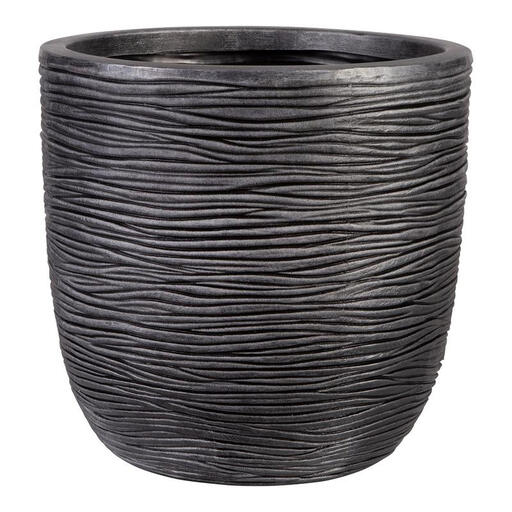
Why This Fits Their Persona: A compact option for first-time container gardeners, front-door displays and smaller patios where a large pot would obstruct movement.
Its recycled-plastic construction provides an oakwood-effect appearance without the routine treatment associated with real timber.
35cm diameter, 34cm height, recycled plastic construction and a stated weather-resistant finish.
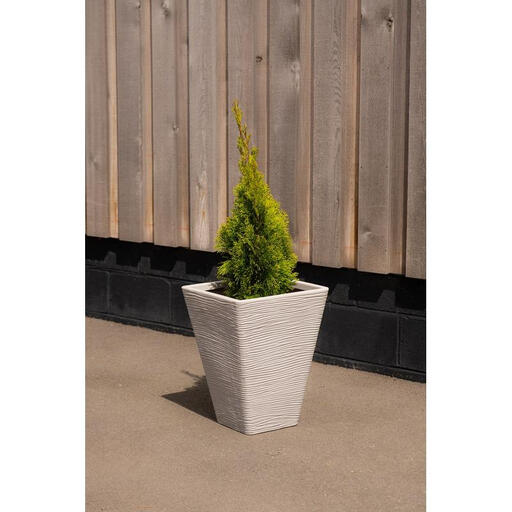
Why This Fits Their Persona: Suits shoppers creating a structured patio, entrance or conservatory display with a neutral finish that lets foliage and flowers stand out.
The stone-effect recycled plastic design avoids the handling difficulty of solid stone while retaining a formal, tapered silhouette.
40cm width, 52cm height, lightweight construction and stated resistance to weather and UV exposure.
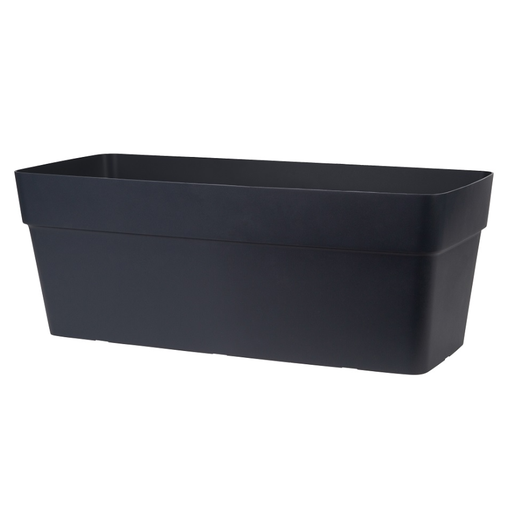
Why This Fits Their Persona: Designed for buyers who need a long display for herbs, trailing flowers or repeated planting along a balcony, path or patio edge.
The stated 45-litre capacity and recessed base provide useful information for planning compost quantity and drainage arrangements.
60cm length, 25cm width, 30cm height, recycled plastic and a charcoal colour suitable for modern displays.
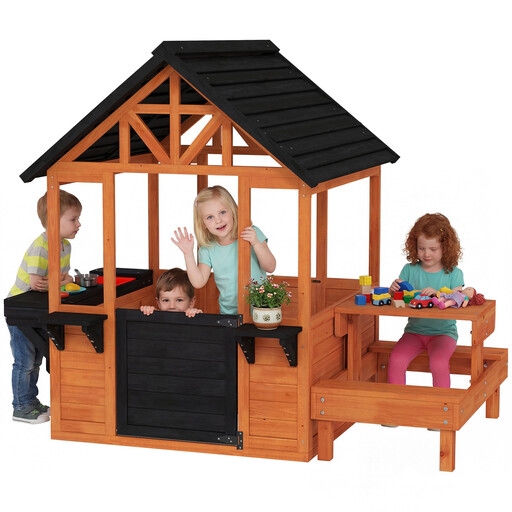
Why This Fits Their Persona: A garden feature for families wanting imaginative outdoor play, with a snack-bar window, benches, sink table and flowerpot holders.
The listing gives the recommended age, footprint, internal dimensions, assembly requirement and 50kg table and bench load limits for planning.
Solid fir wood, open-view windows, half-door access and built-in seating for shared role play.
We have compiled a complete, real-time list of products that fully satisfy these strict selection criteria and UK safety regulations.
Use plant stands to create vertical interest where floor space is limited. A four-tier stand can display several smaller pots on a balcony or in a conservatory, but keep heavier containers on lower shelves and check the stand’s stated load capacity.
For low-maintenance colour, artificial outdoor flowers can be placed in a stable planter or window box. Bendable stems make it easier to adjust height, but secure arrangements in exposed gardens and keep plastic flowers away from open flames and high heat. A combination of a stone-effect pot, green foliage and UV-resistant faux flowers can provide colour without watering or pruning.
Group a barrel planter with a square planter at different heights to create a layered arrangement. Leave enough space between containers for watering, cleaning and access during wet UK weather.
Many are designed for outdoor conditions and may state resistance to weather, moisture or UV exposure. Always check the individual product description, position the planter securely and follow any care guidance. Drainage and frost protection for the plant itself remain important.
A trough planter is longer and narrower, making it practical for grouped flowers, herbs and trailing plants along walls, balconies or paths. Round planters provide a central planting area and can work well for individual shrubs, small trees or entrance displays.
They do not require water, compost, feeding or regular pruning, so their ongoing maintenance is generally limited to cleaning and occasional repositioning. UV exposure, wind and weather can affect their appearance and lifespan, so choose a suitable location and secure the container where necessary.