
24/7 Customer Support

Free returns

Same-day & Next-day Delivery

Quality Guaranteed

Unlock Your Welcome Offers: FREE Delivery | Up to 80% OFF | Free 30-day JoyPlus trial
Download the APP
Choosing the right garden planter should be a simple task, but many of us have learned the hard way that it is not. A pot that looks perfect in the garden centre can quickly become a source of frustration. Before you invest in new containers for your patio, balcony or home, it helps to be aware of a few common pitfalls that lead to wasted money and unhappy plants.
Many shoppers are caught out by three frequent issues:
This guide will help you navigate these challenges, focusing on the key factors that truly matter for long-term success.
To make a smart purchase, it is useful to look beyond the surface-level aesthetics and consider a few core parameters. Understanding these will help you select a planter that not only looks good but also performs well for years.
The material of your planter dictates its weight, longevity and maintenance needs.
The right size and proper drainage are non-negotiable for healthy container gardening.
Instead of a one-size-fits-all approach, we have matched a few practical options from our collection to specific types of users.
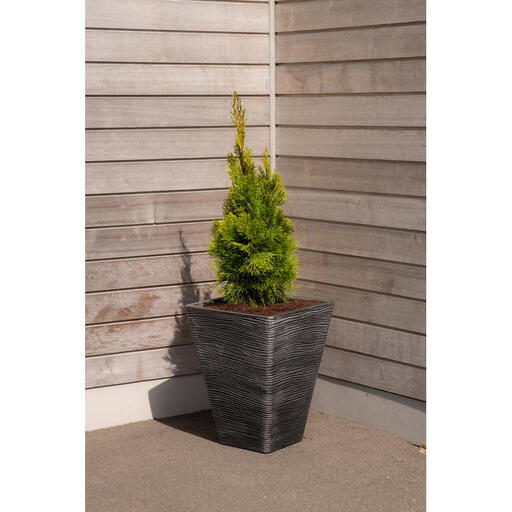
Why This Fits Their Persona: This user wants a sleek, contemporary look for their patio or balcony without the hassle. The pewter-coloured stone effect is modern and versatile, while the lightweight construction makes it easy to position and move as needed.
It provides the sophisticated look of stone without the immense weight. Made from durable, frost-resistant recycled plastic, it will not crack in winter like cheaper alternatives.
Lightweight and easy to reposition; UV-stable and frost-resistant for year-round outdoor use.
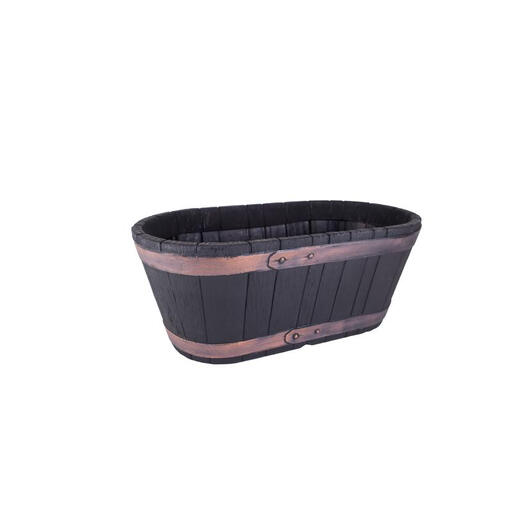
Why This Fits Their Persona: Perfect for someone who loves the traditional look of a cottage garden but wants to avoid the maintenance of real wood. This trough is ideal for window boxes, patio edges or creating a small herb garden.
This planter delivers the authentic aesthetic of an oak barrel without the risk of rot, warping or splintering that affects untreated wooden planters over time.
Convincing wood-effect finish; durable and weather-resistant recycled plastic construction.
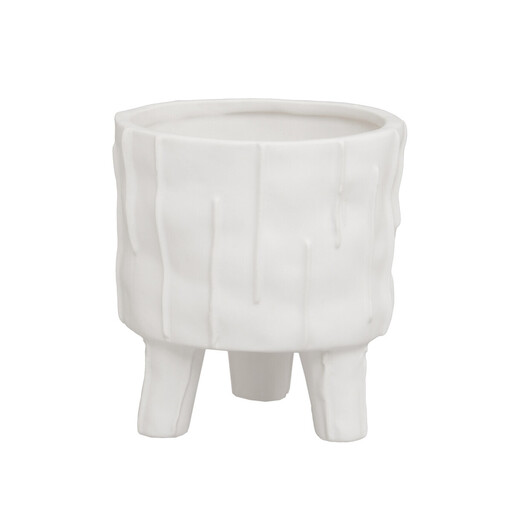
Why This Fits Their Persona: This user sees planters as an integral part of their home décor. This small ceramic planter's handcrafted, textured finish and stable tripod design make it a stylish accent piece for shelves, desks or windowsills.
It is clearly positioned for indoor decorative use, avoiding any misleading claims about outdoor durability. As it lacks drainage, it functions perfectly as a cachepot for a small nursery pot, preventing water damage to furniture.
Artisanal, textured ceramic finish; stable and compact design suitable for small indoor spaces.
We have compiled a complete, real-time list of products that fully satisfy these strict selection criteria and UK safety regulations.
Yes, for almost all plants, drainage is essential for outdoor containers. The UK's rainy climate means pots can quickly become waterlogged, leading to root rot. If a pot has no holes, you should add them. If the material is too hard to drill (like glazed ceramic), it is better suited for a covered porch or indoor use.
This is a common issue, especially with lightweight plastic planters on exposed balconies or patios. To add stability without making the pot permanently heavy, add a dense, heavy material like bricks, large stones or broken tile pieces to the bottom third of the planter before adding your soil. This lowers the centre of gravity and helps anchor it against strong winds.
It depends on the quality of the plastic. Cheaper, thin plastic can become brittle in freezing temperatures and may crack. However, higher-quality planters made from durable, frost-resistant polypropylene or recycled plastics are specifically designed to withstand UK winters. Always check the product description for terms like "frost-resistant" or "frost-proof" for peace of mind.