
24/7 Customer Support

Free returns

Same-day & Next-day Delivery

Quality Guaranteed

Unlock Your Welcome Offers: FREE Delivery | Up to 80% OFF | Free 30-day JoyPlus trial
Download the APP
As a Joybuy Product Recommendation Officer, I often see how the right container can transform a space, whether it's a sprawling garden, a compact patio or a sunny windowsill. However, choosing garden planters can be surprisingly tricky. Marketing claims can be misleading, and a pot that looks perfect in the shop can become a cracked, faded disappointment after just one British winter.
Before you invest in new decorative pots, it's worth knowing about a few common pitfalls that can lead to wasted money and unhappy plants.
To ensure your planters are a long-term success, focus on these core features rather than just surface-level appearance.
The material of your planter dictates its weight, durability and the level of care it will need.
A planter is more than just decoration; it's your plant's home.
To help you navigate the options, here are a few planters that match specific needs and lifestyles, all while avoiding the common traps.
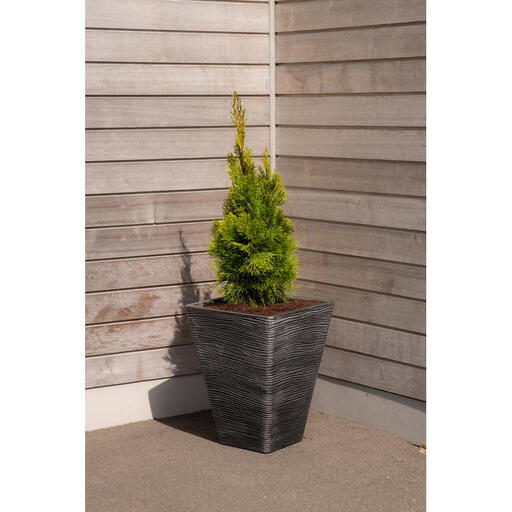
Why This Fits Their Persona: Perfect for those wanting a sleek, contemporary look on a balcony or patio without the immense weight of real stone. The modern pewter finish complements minimalist designs and architectural plants like grasses or phormiums.
This planter is genuinely frost-resistant, solving the winter cracking issue. Its lightweight recycled plastic build avoids the "weight mismatch" trap—it's stable once filled but easy to move when empty.
Delivers a high-end stone-effect aesthetic with the low-maintenance, all-weather durability of UV-stable recycled plastic.
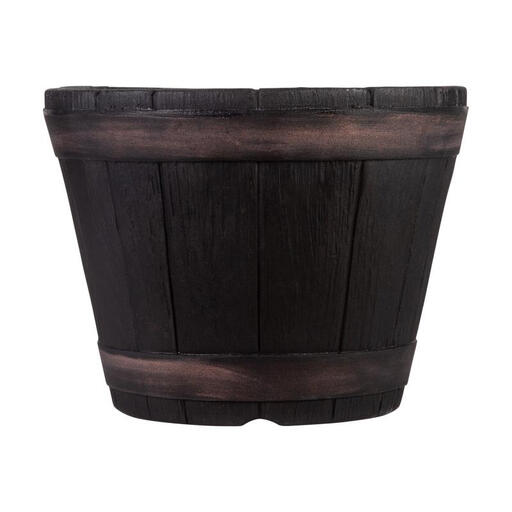
Why This Fits Their Persona: Ideal for someone who loves the rustic charm of a cottage garden but doesn't have the time or desire for the upkeep of real wood. This wood effect planter is perfect for creating classic floral displays or a small herb garden.
It sidesteps the common pitfall of wooden planters rotting in the UK's damp weather. Being made from recycled plastic, it is completely rot-proof and will not warp or require annual treating.
Offers an authentic wood-grain texture and rustic barrel shape while being lightweight, weather-resistant and made from recycled materials.
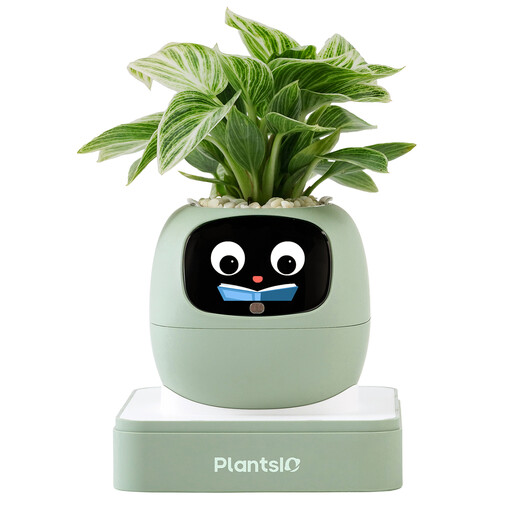
Why This Fits Their Persona: This is for the person who loves the idea of indoor plants but is either too busy to care for them or fears they lack a green thumb. It turns plant care into a fun, interactive experience, making it a unique piece of home decor for a modern flat or office desk.
This smart plant pot directly solves the "drainage dilemma" for indoor plants. Its built-in sensors monitor moisture, light and temperature, telling you exactly what the plant needs and preventing the common problem of over- or under-watering.
Takes the guesswork out of plant care with smart sensor technology and provides interactive feedback through over 80 facial expressions.
We have compiled a complete, real-time list of products that fully satisfy these strict selection criteria and UK safety regulations.
If your pot doesn't have holes, and it's made of plastic or a similar soft material, you can drill them yourself. Aim for at least one 2cm hole for every 30cm of pot diameter. Before adding soil, you can place a layer of broken pot shards, gravel or polystyrene chunks at the bottom. This prevents soil from compacting and blocking the drainage holes, ensuring excess water can always escape.
Yes, provided you choose a quality product. Look for planters that are explicitly described as frost-proof or frost-resistant, as this indicates they can handle the expansion of freezing soil. Also, check for UV-stable properties, which means the colour and material won't degrade, fade or become brittle after a few seasons of summer sun. High-quality recycled plastic offers an excellent, durable and lightweight solution for the varied UK weather.
You can, but with one important consideration: drainage. Most outdoor planters have holes in the bottom. To use one indoors, you must place it on a deep, waterproof saucer or tray to protect your floors and furniture from water damage. Aesthetically, some large outdoor pots may look out of scale indoors, so consider the proportions of your room.