
24/7 Customer Support

Free returns

Same-day & Next-day Delivery

Quality Guaranteed

Unlock Your Welcome Offers: FREE Delivery | Up to 80% OFF | Free 30-day JoyPlus trial
Download the APP
Choosing the right garden planters can transform a patio, balcony or garden from a simple outdoor area into a vibrant, personal oasis. However, the market is filled with options that look great on the shelf but fail to withstand a typical British year. Many of us have been caught out by a purchase that cracks in the first frost or becomes an immovable, waterlogged burden.
As a Joybuy Product Recommendation Officer, my role is to help you navigate these choices. This guide focuses on the common pitfalls to avoid and the key features to look for, ensuring your investment enhances your garden for seasons to come.
Before you buy, be aware of these frequent issues that can lead to disappointment and wasted money:
To make a smart purchase, focus on these practical specifications. They will determine the planter's longevity, usability and suitability for your space.
The material is the single most important factor. Modern advancements offer the aesthetics of traditional materials without their drawbacks.
The form of your planter should serve both an aesthetic and a functional purpose.
To help you match a product to your needs, here are a few recommendations based on common gardener profiles.
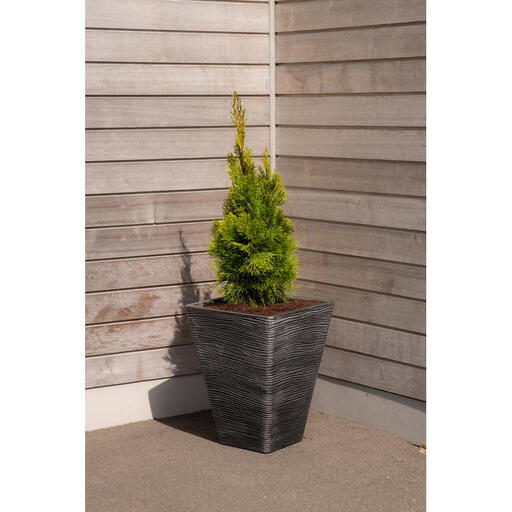
Why This Fits Their Persona: This planter is for someone who wants a sharp, contemporary look for their patio or entranceway. The pewter-coloured stone effect planter mimics the appearance of modern concrete or slate but is easy to handle, suiting those who enjoy redesigning their space seasonally.
It delivers the high-end aesthetic of a heavy stone pot without the weight. Made from recycled plastic, it is a lightweight planter that is also frost-proof, so it will not crack during winter.
The modern tapered shape and cool pewter tone complement architectural plants like grasses and ferns. It is UV-stable, ensuring the colour will not fade over time.
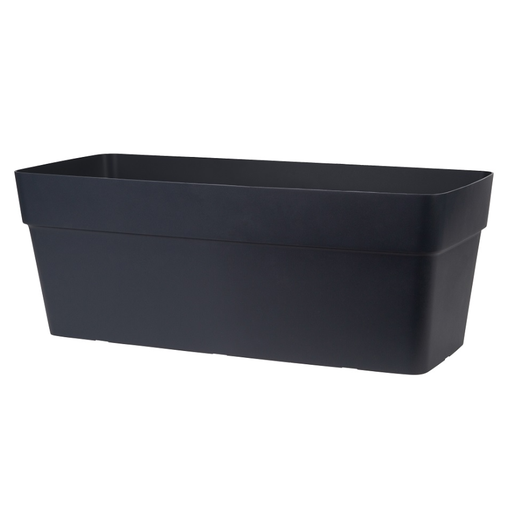
Why This Fits Their Persona: Ideal for those with limited space, such as a balcony, small patio or windowsill. This trough planter is designed to maximise planting area in a narrow footprint, perfect for growing herbs, trailing flowers or creating a privacy screen.
Its recycled plastic construction makes it one of the best balcony planters, as it is extremely lightweight and poses no risk to structural weight limits. It is also durable and weather-proof.
The 60cm length provides generous space for a mixed planting arrangement. The modern charcoal colour provides a neutral backdrop that makes colourful flowers and green foliage stand out.
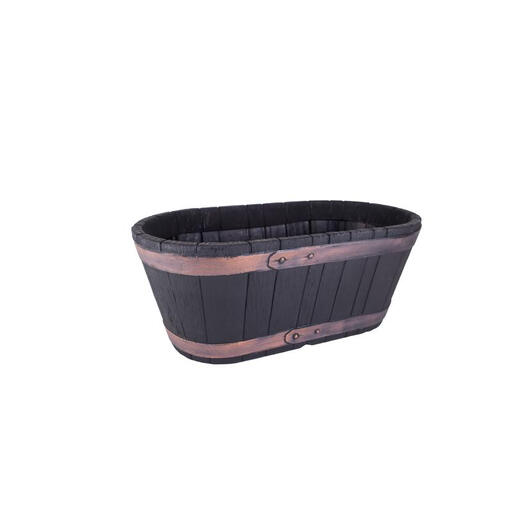
Why This Fits Their Persona: This is for the gardener who loves the rustic, warm look of a country garden but doesn't have the time or desire for the upkeep of real wood. The convincing wood effect planter finish brings classic charm to any setting.
It completely avoids the maintenance trap of real wood. This plastic planter will not rot, warp or require annual sealing, yet it provides the authentic look of an oak barrel trough.
The trough shape is highly versatile for creating linear displays along a fence or wall. It is lightweight for easy placement and made from durable, weather-proof recycled plastic.
We have compiled a complete, real-time list of products that fully satisfy these strict selection criteria and UK safety regulations.
1. Do plastic garden pots crack in UK winters? High-quality, frost-proof plastic planters are designed to withstand UK winters without cracking. The key is the material's non-porous nature, which prevents water from seeping in, freezing and expanding. Cheaper, more brittle plastics may not offer the same level of durability, so it is worth checking that a product is specified as frost-proof or suitable for year-round outdoor use.
2. Are stone effect planters heavy? No, and that is their main advantage. Stone effect planters are typically made from recycled plastic or other composite materials. They are designed to replicate the look and texture of real stone, slate or concrete but are significantly lighter. This makes them easy to move and ideal for balconies, decking and patios where weight is a concern.
3. How important is drainage for outdoor planters? Drainage is critical for plant health, especially in the UK where rainfall is frequent. Without adequate drainage holes, soil can become waterlogged, leading to root rot. Most good quality outdoor planters come with pre-drilled drainage holes or marked areas where you can easily drill them yourself. This allows excess water to escape, keeping the roots healthy.