
24/7 Customer Support

Free returns

Same-day & Next-day Delivery

Quality Guaranteed

Unlock Your Welcome Offers: FREE Delivery | Up to 80% OFF | Free 30-day JoyPlus trial
Download the APP
Choosing the right garden planters can transform a patio, balcony or indoor space, but it is easy to make a costly mistake. With so many options available, many shoppers find themselves with pots that crack in the first frost, fade in the sun or are simply wrong for their space. As the Joybuy Product Recommendation Officer, my role is to help you navigate these choices and find a solution that is both beautiful and practical for your UK home.
Before you buy, be aware of these common pitfalls:
To ensure your new planters last for years, focus on these core features rather than just the initial appearance.
The material of your planter dictates its weight, durability and maintenance needs.
The shape of your planter is not just about aesthetics; it affects plant health and how you use your space.
Here are a few options that align with different needs, each chosen to avoid the common pitfalls.
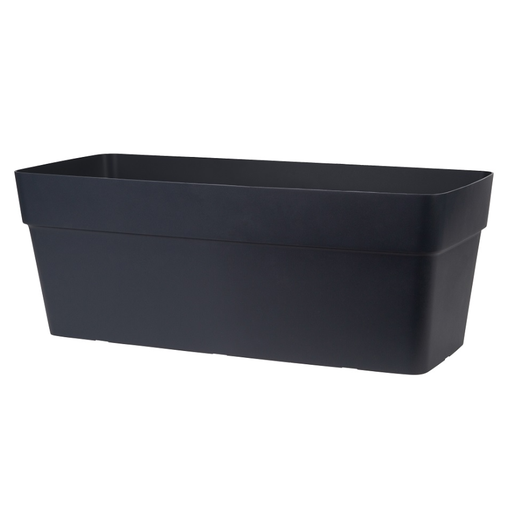
Why This Fits Their Persona: The trough shape is ideal for maximising planting space on a narrow balcony. Its charcoal colour and clean lines create a contemporary look, while the lightweight recycled plastic construction respects potential weight limits.
It is made from durable, recycled plastic that is both frost-resistant and UV-stable, preventing the cracking and fading common in cheaper pots. It solves the weight vs. stability issue for elevated spaces.
Lightweight for easy handling and placement on balconies. The long shape is versatile for creating borders or herb gardens.
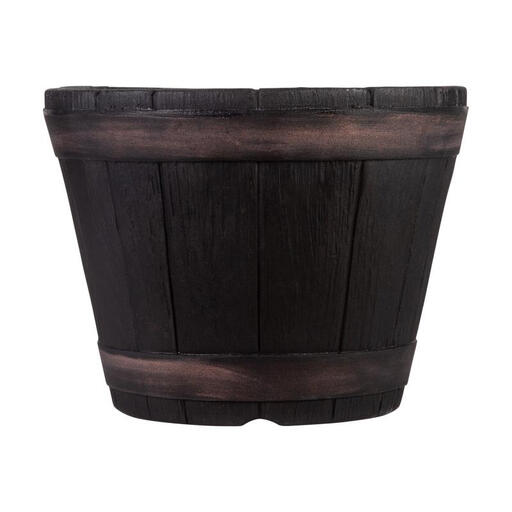
Why This Fits Their Persona: This planter delivers the rustic charm of a classic oak barrel, perfect for a cottage garden or traditional patio, but without any of the work. It is ideal for someone who loves the look of wood but doesn't have the time for sanding and sealing.
It completely sidesteps the pitfall of real wood planters, which require constant upkeep to prevent rot and decay. The recycled plastic material is rot-proof, weather-resistant, and will not warp.
Provides an authentic wood-effect look with zero maintenance. It is lightweight enough to be moved easily for seasonal display changes.
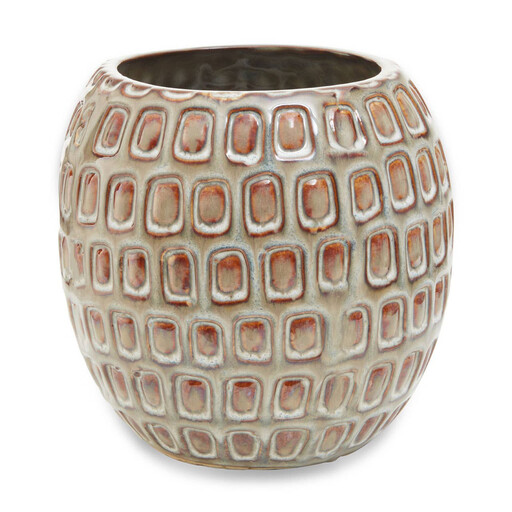
Why This Fits Their Persona: This handcrafted stoneware planter is designed specifically for indoor use. Its textured, glazed finish and modern drum shape act as a piece of decor, elevating the look of a houseplant on a shelf or side table.
It avoids the mistake of using an outdoor pot indoors. It has no drainage hole, protecting furniture from water damage and its design is focused on interior aesthetics rather than weather resistance.
Made from 100% stoneware for a high-quality, substantial feel. The handcrafted design means each piece has a unique, organic charm.
We have compiled a complete, real-time list of products that fully satisfy these strict selection criteria and UK safety regulations.
1. Do all plastic garden pots crack in winter? Not all of them. The key is to look for planters specified as frost-resistant or frost-proof. These are made from more flexible, durable polymers that can withstand the expansion and contraction caused by freezing temperatures. Cheaper, more brittle plastics are the ones most likely to crack after a cold snap.
2. What is the main difference between a stone-effect and a real stone planter? The primary differences are weight and cost. A real stone planter is extremely heavy, making it difficult to move and unsuitable for many balconies or roof terraces. It is also significantly more expensive. A high-quality stone effect planter made from recycled plastic offers a very similar visual appeal but is lightweight, more affordable and often more resistant to cracking from frost.
3. How do I ensure my outdoor planters have good drainage? Good drainage is vital to prevent root rot. Most outdoor planters come with pre-drilled drainage holes. If not, you can often drill them yourself, especially with plastic pots. You can also add a layer of gravel or broken pot shards at the bottom before adding soil. This creates a space for excess water to collect away from the plant's roots, which is particularly helpful during periods of heavy British rain.