
24/7 Customer Support

Free returns

Same-day & Next-day Delivery

Quality Guaranteed

Unlock Your Welcome Offers: FREE Delivery | Up to 80% OFF | Free 30-day JoyPlus trial
Download the APP
Finding the right garden planters can feel like a balancing act. You want the timeless appeal of natural materials like wood or stone, but without the constant maintenance, heavy lifting and risk of weather damage. A beautiful container should enhance your plants, not create more work.
This guide is designed to help you navigate the choices available. We will focus on practical considerations that matter for UK gardens, from material durability to finding the right size for your space. Our goal is to help you select planters that look wonderful on your patio or by your front door and will continue to do so for many seasons to come.
Before you decide, thinking about a few key features can ensure you get the most value and enjoyment from your purchase.
Traditional materials like terracotta and wood have their charm, but they also have drawbacks in the UK's variable climate. Terracotta can crack in a hard frost, while wood can rot, warp or require annual treatments.
A practical alternative is a high-quality plastic planter. Modern manufacturing techniques now produce stunning wood effect planters and stone effect planters that are almost indistinguishable from the real thing. These offer significant advantages: they are weather resistant planters, meaning they can withstand rain, frost and sun without degrading. Furthermore, they are incredibly lightweight planters, making them easy to move around the garden as you change your displays or follow the sun. Many are also made from recycled plastic planters, offering a more sustainable choice.
The size of your planter affects both the visual impact and the health of your plants. Large garden pots can act as a focal point, housing small trees, large shrubs or ambitious floral displays. For smaller areas like balconies or entranceways, a collection of well-chosen patio pots can add colour and life without overwhelming the space.
When selecting a size, always consider the plant's future growth. A pot that is too small will restrict root development, leading to a stressed and unhealthy plant. Ensure there is enough volume for the root ball to expand and access the nutrients it needs to thrive.
Proper drainage is non-negotiable for container gardening in Britain. Without adequate drainage holes, soil can become waterlogged, leading to root rot. Most plastic planters come with designated areas that can be easily drilled to create drainage holes, giving you control over water management. This feature, combined with their weather-resistant properties, makes them a reliable choice for year-round outdoor use.
Here are a few recommendations that balance style, durability and practical design for UK gardens.
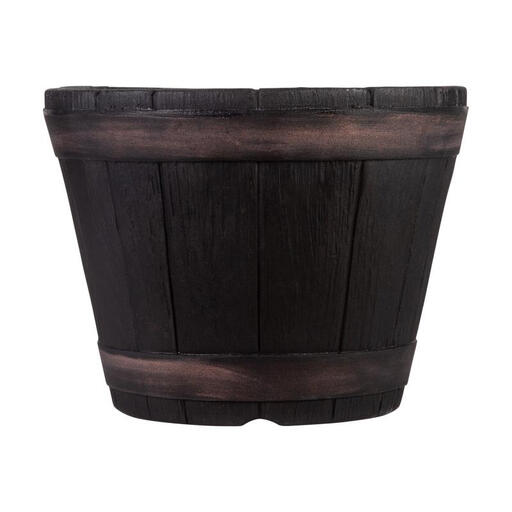
Why It Stands Out: This planter captures the rustic charm of a traditional oak barrel without any of the associated upkeep. The textured wood effect finish is convincing and adds a warm, natural feel to any garden space. Made from durable recycled plastic, it won’t rot or warp.
Pros:
Who is it for?: Gardeners who love a classic, cottage-garden aesthetic but want a practical, long-lasting container for shrubs, flowers or even a small herb garden. It’s perfect for framing a doorway or as a centrepiece on a patio.
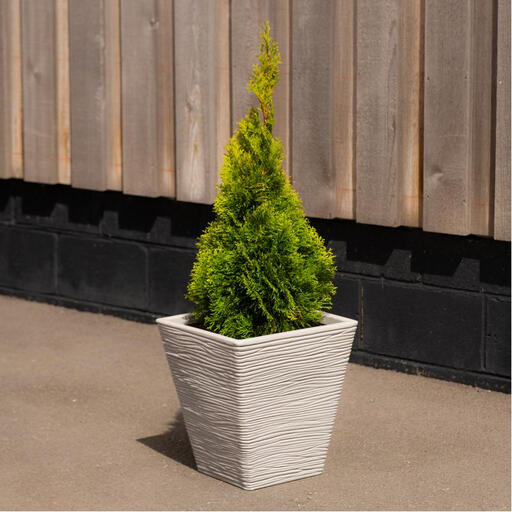
Why It Stands Out: Offering the sophisticated look of carved stone, this tapered square planter brings a contemporary yet timeless feel to gardens and indoor spaces. Its neutral stone effect finish complements both vibrant floral displays and minimalist foliage arrangements. Its key benefit is being incredibly light for its size.
Pros:
Who is it for?: Those seeking a chic, understated planter that puts the focus on the plants. It is an excellent choice for anyone who needs the look of heavy stone without the impractical weight, especially for balconies or indoor use.
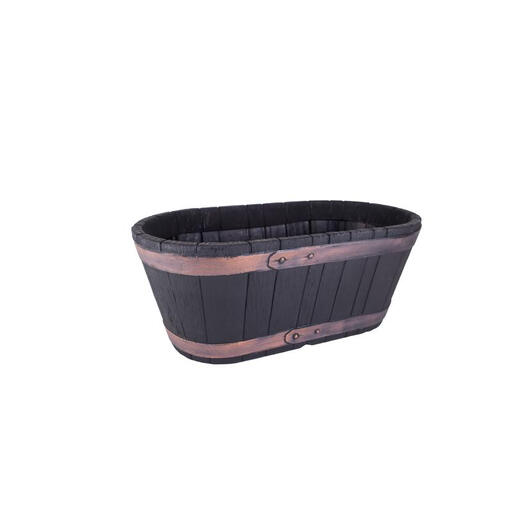
Why It Stands Out: This trough-shaped planter provides ample space for creating beautiful, layered arrangements. The elongated shape is ideal for placing against a wall, under a window or along a narrow walkway. Like its round counterpart, it features a realistic wood effect finish on a durable, lightweight plastic body.
Pros:
Who is it for?: Gardeners who want to create impactful linear displays. It’s ideal for defining edges, decorating windowsills or planting a variety of plants together in one container.
Once you have chosen your planters, ensuring your plants stay healthy is the next step, and efficient watering is key. For practical solutions that complement your new pots, you may want to explore our selection of durable plastic water containers.
1. What are the most weather-resistant planters for the UK climate? For the UK's mix of rain, sun and frost, the most reliable materials are non-porous and stable. High-quality plastic planters, particularly those that are UV-stabilised, are an excellent choice. They do not absorb water, which prevents them from cracking during a freeze, and they resist fading from sun exposure.
2. Are plastic planters a good choice for the environment? Many people are rightly concerned about plastic. However, choosing planters made from recycled plastic is a positive step. It diverts waste from landfill and gives it a new, long-lasting purpose. Because these planters are so durable and weather resistant, they last for many years, reducing the need for frequent replacements and lowering overall consumption.
3. Can I use large garden pots on a balcony? Yes, but weight is the most important factor. This is where lightweight planters are essential. A large plastic composite pot can provide the volume needed for a small tree or shrub but will weigh a fraction of a comparable stone or ceramic one. Always check the maximum load-bearing capacity of your balcony before placing any heavy items on it.