
24/7 Customer Support

Free returns

Same-day & Next-day Delivery

Quality Guaranteed

Unlock Your Welcome Offers: FREE Delivery | Up to 80% OFF | Free 30-day JoyPlus trial
Download the APP
Keeping a British garden tidy is a rewarding, year-round task. From the first buds of spring to the final cut-back in autumn, proper maintenance is key to healthy plants and a pleasing landscape. However, facing overgrown shrubs, out-of-reach tree limbs or dense, woody branches with the wrong equipment can turn a pleasant afternoon of gardening into a frustrating chore. The sheer variety of available garden pruning tools can be overwhelming, making it difficult to know which one is right for your specific needs.
This guide is designed to cut through the clutter. As a Joybuy Product Recommendation Officer, my role is to provide clear, practical advice to help you select the right tools for the job. We will explore the different types of pruners and highlight a few standout options to help you manage your garden effectively and safely.
Before you make a purchase, it is helpful to understand the core differences between various tree trimming tools. Matching the tool to the task not only makes the work easier but also promotes the health of your plants.
The mechanism of your pruner is one of the most important factors.
Consider the size and location of the branches you need to cut.
Gardening can be tough on the hands. Look for tools with ergonomic, non-slip handles to ensure a comfortable and secure grip. The weight of the tool is also a factor, especially for extended use or when working overhead. A lightweight yet robust tool will reduce fatigue. Finally, features like safety locks are crucial for preventing accidents and protecting the blades during storage.
Based on their features, intended use and construction, here are a few recommendations to suit different gardening scenarios.
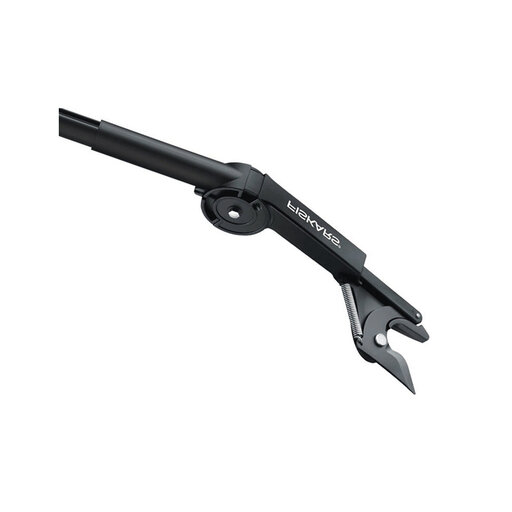
Why It Stands Out: This long reach tree pruner is designed specifically for tackling high branches safely from the ground. Its anvil cutting action is effective on the dry, hard wood often found higher up in trees. A key feature is its impressive vertical reach of approximately 3.5 metres and an adjustable cutting head that pivots up to 26°, allowing you to find the perfect angle for a clean cut without contorting your body. Despite its reach, it remains lightweight at just 770g.
Pros:
Who is it for? This tool is ideal for gardeners with mature trees or tall shrubs who need to perform maintenance on out-of-reach branches, particularly for removing deadwood.
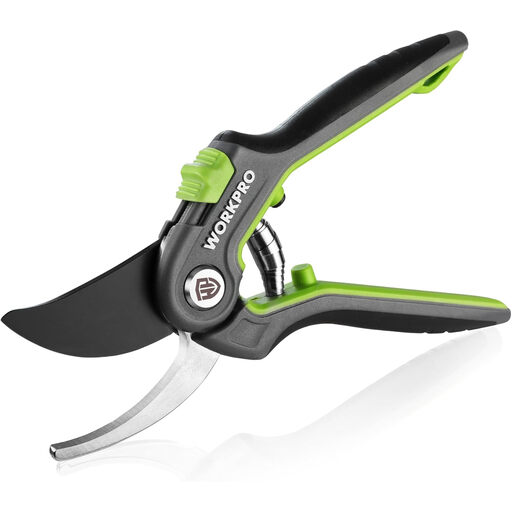
Why It Stands Out: These are classic pruning shears for gardening, built for precision and durability. The blade is made from SK5 high-carbon steel, known for holding a sharp edge, and features a rust-resistant coating. The bypass action ensures a clean slice through live stems and branches, which is crucial for plant health. The ergonomic, non-slip handles and an automatic spring-opening mechanism are designed to reduce hand strain during repetitive cutting tasks.
Pros:
Who is it for? A must-have for any gardener, these secateurs are perfect for the daily tasks of maintaining flowers, trimming herbaceous plants and pruning new growth on shrubs and fruit trees.
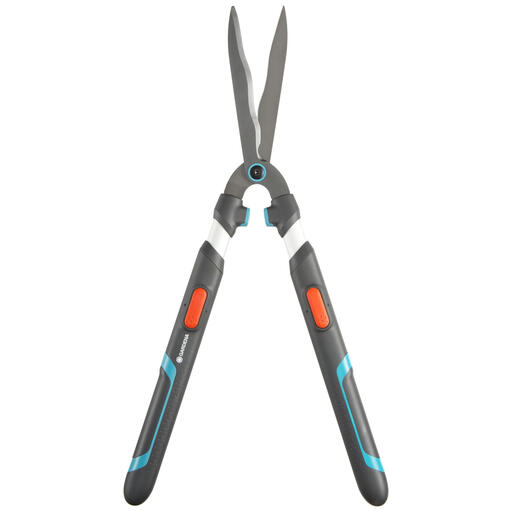
Why It Stands Out: When secateurs are not enough, these telescopic loppers provide the necessary power and reach. The handles extend from 65cm to 90cm, offering improved leverage and access to branches that are slightly out of reach. An integrated gear mechanism multiplies your cutting force, making it significantly easier to slice through substantial branches up to 50mm in diameter. The precision-ground blades also have a non-stick coating to reduce friction and sap build-up.
Pros:
Who is it for? This heavy duty branch cutter is suited for homeowners with established gardens that require seasonal pruning of thick, woody branches on trees and large shrubs.
The tools highlighted here cover some of the most common gardening needs, but every garden is unique. If you are looking for a different type of tool or want to compare more models, there are many other specialised options available.
Explore our full collection of branch pruners to find the perfect match for your garden's unique demands.
1. What is the difference between bypass and anvil pruners? Bypass pruners have two blades that slide past each other like scissors, making them ideal for clean cuts on live, green wood. Anvil pruners have a single blade that closes onto a flat block, providing a powerful chopping action that is better for dead or very hard wood.
2. How often should I sharpen my pruning tools? This depends on usage. For avid gardeners, sharpening your blades at the beginning and end of the main growing season is a good practice. If you notice the tool is tearing or crushing branches instead of cutting cleanly, it is time for a sharpen. Always clean your blades after each use to prevent sap build-up and rust.
3. Can I use one tool for all my pruning tasks? While it is tempting to find a single all-in-one solution, it is generally not practical. Using a tool that is too small for a thick branch can damage both the tool and the plant, while using a large lopper for delicate flowers is clumsy. A basic kit for most gardens would include a pair of bypass secateurs for general use and a pair of loppers or a long-reach pruner for larger jobs.