
24/7 Customer Support

Free returns

Same-day & Next-day Delivery

Quality Guaranteed

Unlock Your Welcome Offers: FREE Delivery | Up to 80% OFF | Free 30-day JoyPlus trial
Download the APP
A well-tended garden is a source of pride, but keeping shrubs in check, trees shapely and plants healthy requires the right equipment. Using blunt, flimsy or incorrect tools can lead to damaged plants and a frustrating afternoon of work. The key to efficient and effective garden maintenance lies in selecting the correct garden pruning tools for the job.
This guide is designed to help you navigate the options. As a Joybuy Product Recommendation Officer, my role is to provide practical, objective advice to help you choose durable and effective tools. We will look at what makes a good pruning tool and highlight some reliable options for common gardening tasks across the UK, from trimming roses in a suburban garden to managing an established allotment.
Before you make a purchase, considering a few key features will ensure you get a tool that performs well and lasts for seasons to come.
The most significant distinction in pruning shears and loppers is the blade action.
For most general garden pruning on live plants, a bypass tool is the recommended choice.
The quality of the blade determines the tool's performance and longevity. Many high-quality garden hand tools now feature SK5 steel blade pruners. SK5 is a type of high-carbon steel known for its excellent hardness and ability to hold a sharp edge through repeated use. A blade made from SK5 steel is less likely to nick or dull quickly, ensuring clean cuts that protect your plants from disease. Look for blades with a protective, rust-resistant coating to further enhance durability and simplify cleaning.
Gardening should be a pleasure, not a pain. Ergonomic garden tools are designed to reduce strain on your hands, wrists and arms. Features to look for include:
Based on features that matter to keen gardeners—durability, cutting performance and user comfort—here are our recommendations for tackling a range of pruning jobs.
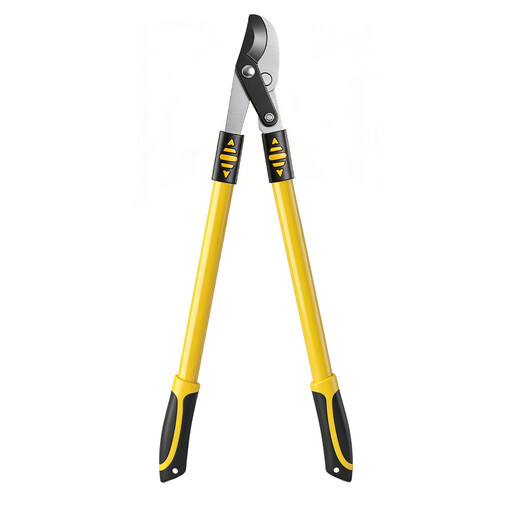
Why It Stands Out: This tree branch cutter is built for power and leverage. The 26-inch handles provide the reach and force needed to cut through thicker branches, while the bypass action ensures a clean cut on living wood. The blade is made from fully hardened SK5 steel, designed for lasting sharpness. Comfort is also addressed with shock-absorbing bumpers and rubberised grips, making tough jobs more manageable.
Pros:
Who is it for?: Gardeners with mature shrubs and small trees that require a powerful tool for seasonal pruning. It is ideal for tasks too large for hand-held secateurs.
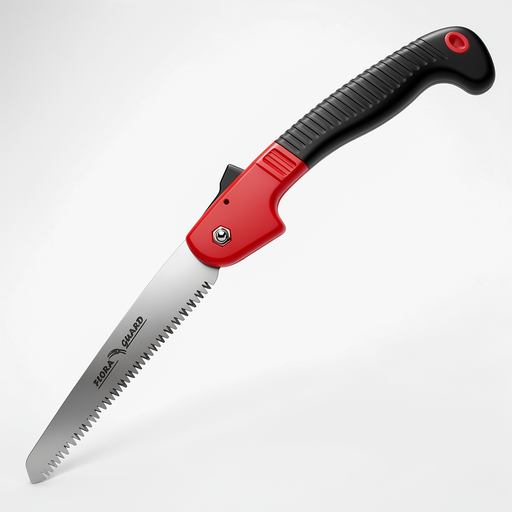
Why It Stands Out: When a branch is too thick for even heavy duty loppers, a folding pruning saw is the next logical step. This model from Flora Guard is compact, portable and features a sharp, aggressive blade for fast cutting. The blade folds securely into the handle, making it safe to carry around the garden, on an allotment or even on a camping trip. The ergonomic TPR handle provides a firm, comfortable grip.
Pros:
Who is it for?: Anyone needing to cut branches over 1.5 inches thick. Its portability makes it perfect for allotment holders, hikers or gardeners who need a compact yet powerful cutting tool.
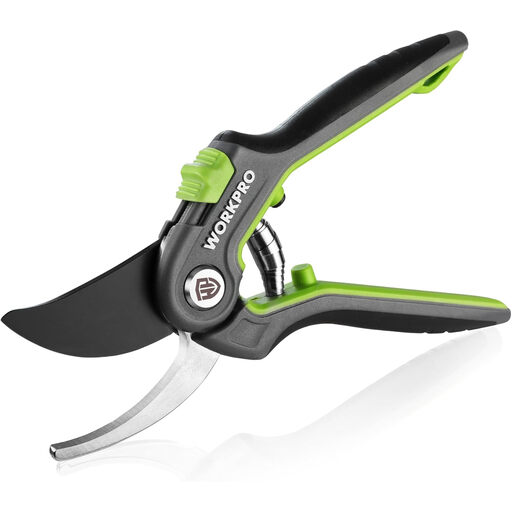
Why It Stands Out: A good pair of bypass secateurs is arguably the most essential of all tree trimming tools. This WORKPRO model is a classic example of a reliable, all-purpose pruner. It features a high-carbon SK5 steel blade for sharp, clean cuts on fresh branches up to 19mm. The design incorporates an automatic spring-opening mechanism to reduce hand fatigue during repetitive tasks like deadheading roses or trimming back herbaceous perennials. A secure safety lock ensures it can be stored safely.
Pros:
Who is it for?: Every gardener. These plant shears are the go-to tool for daily trimming, harvesting and general maintenance of flowers, vegetables and shrubs.
The tools highlighted here cover the core pruning needs of most UK gardeners. However, every garden has unique demands. If you are looking for specialised pruners, long-reach tools or simply want to compare more models, you can explore our complete collection of durable gardening tools.
1. What is the difference between bypass and anvil pruners? Bypass pruners have two blades that slide past each other like scissors, making a clean cut that is ideal for living plants. Anvil pruners have a single blade that closes onto a flat surface, which is better suited for cutting dead or very hard wood as it can crush green stems.
2. How should I maintain my pruning tools? To keep your tools in good condition, clean the blades after every use to remove sap and debris. A cloth with a bit of methylated spirit works well. Ensure they are completely dry before storing them to prevent rust. Periodically, sharpen the blades with a sharpening stone and apply a light oil to the pivot point to maintain smooth operation.
3. When is the best time to prune most plants in the UK? For many deciduous trees and shrubs, the dormant season in late winter or early spring is the ideal time for major pruning. This encourages vigorous new growth when the weather warms. However, some plants, like spring-flowering shrubs, should be pruned immediately after they finish flowering. It is always best to check the specific requirements for each plant in your garden.