
24/7 Customer Support

Free returns

Same-day & Next-day Delivery

Quality Guaranteed

Unlock Your Welcome Offers: FREE Delivery | Up to 80% OFF | Free 30-day JoyPlus trial
Download the APP
The right garden secateurs should make a clean cut without forcing your hand, crushing stems or leaving you with a tool that sits unused in the shed. Yet product listings can make comparison difficult. A high cutting-capacity figure does not automatically mean a tool is suitable for every branch, while blade coatings and ergonomic claims may not tell you whether the design fits your hand or your plants.
This guide from the Joybuy Product Recommendation Officer focuses on practical specifications, common buying traps and suitable options for UK gardens, allotments, balconies and greenhouses.
A stated capacity such as 19mm, 24mm or 26mm is a useful reference, not a target for every cut. Cutting material that is too thick, too hard or too dry can damage the blade, pivot or handles. Capacity also varies with the material: bypass secateurs are generally intended for green, living growth, while anvil pruners are more suitable for dead or dry stems.
A large pair of pruning shears may cut a thick shrub stem, but it can be awkward around flowers, herbs, bonsai or crowded indoor plants. For detailed work, compact pruning snips with narrow microtip blades offer more control. Using the wrong tool may crush soft growth or cause accidental cuts to nearby stems.
A tool can have a durable blade yet remain uncomfortable during a long session. Fixed handle widths may not suit smaller or larger hands, and hard, smooth grips can become difficult to control in damp UK weather. Check for an adjustable hand size, a non-slip grip, spring-assisted opening and a secure blade lock before buying.
Bypass secateurs use two blades that pass one another, similar to scissors. They are generally suited to green stems, live wood, flowers and routine shrub maintenance. A bypass pruner is the more versatile choice for many home gardeners and is commonly used for fruit trees, roses and fresh growth.
Anvil pruners use a cutting blade that closes against a flat surface. This configuration is intended for dead stems and dry branches, where a bypass blade may not provide the same practical advantage. Avoid using anvil-style tools on delicate live growth if a clean bypass cut is required.
Compare the product’s stated diameter with the work you actually do. Options in this selection range from 5mm harvest shears for delicate cutting to 26mm bypass pruners for thicker fresh branches. Do not force secateurs beyond their stated capacity. For larger wood, use a suitable saw or loppers rather than repeatedly squeezing hand pruners.
SK5 steel secateurs are commonly selected for their hard carbon-steel blade construction. Stainless steel can be useful for compact snips and resistance to moisture, while a low-friction or anti-rust coating may help sap move more easily across the blade and simplify cleaning.
Handle materials also affect daily use. Aluminium and steel can provide a firm structure, while FiberComp or reinforced plastic designs can reduce weight. Look for SoftGrip, rubberised or textured sections if you expect lengthy pruning sessions. Material quality does not remove the need to wipe, dry and occasionally lubricate the tool.
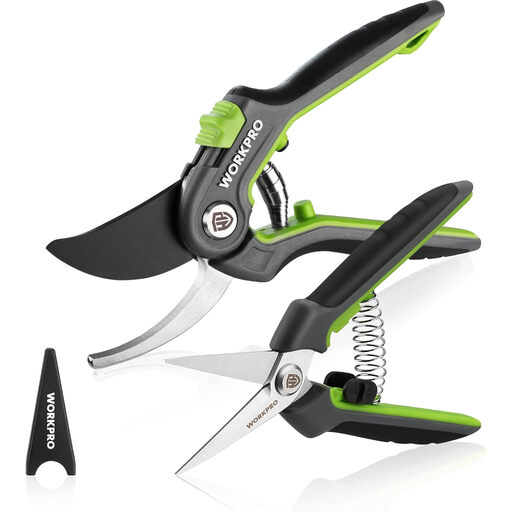
Why This Fits Their Persona: A practical option for UK home gardeners who want one tool for fresh branches and another for flowers, fruit or herbs.
The set separates heavier bypass pruning from delicate harvesting, reducing the temptation to use one oversized tool for every task.
Includes 210mm SK5 bypass shears rated up to 19mm and 160mm stainless-steel harvest shears rated up to 5mm, with spring opening and safety locks.
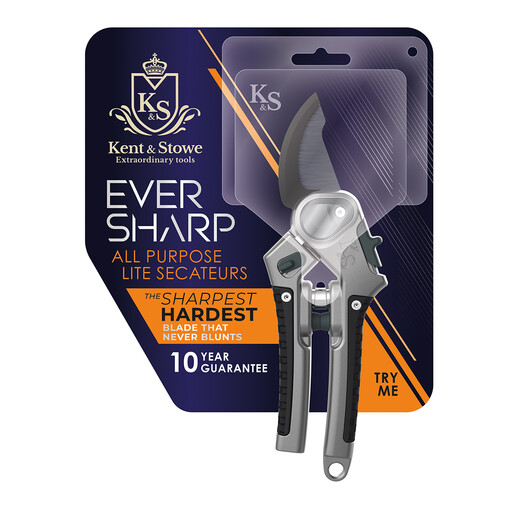
Why This Fits Their Persona: Suitable for gardeners who value an adjustable, ambidextrous tool for repeated deadheading, shrub pruning and live-wood maintenance.
The adjustable hand sizer and central locking mechanism address poor fit, while the blade coating is specified for rust resistance and reduced friction.
SK5 carbon-steel blades, aluminium handles, integrated wire and string cutter and a stated cutting diameter of up to 24mm.
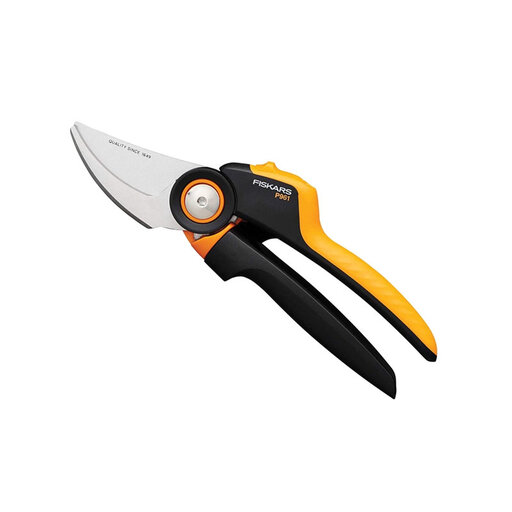
Why This Fits Their Persona: Designed for allotment holders, landscapers and gardeners regularly cutting thicker fresh stems and branches.
Its stated 26mm capacity makes the intended workload clearer, helping users avoid forcing compact hand pruners through thicker live wood.
Bypass blade for green growth, FiberComp handle, SoftGrip details, sliding safety lock and PowerGear leverage mechanism.
We have compiled a complete, real-time list of products that fully satisfy these strict selection criteria and UK safety regulations.
Yes, bypass secateurs are generally suited to green rose stems, fresh fruit-tree shoots and other live growth, provided the diameter is within the product’s stated capacity. Position the branch deep in the cutting area and avoid twisting the tool.
Lifespan depends on frequency of use, blade material, cleaning and storage. Regularly removing sap, drying the tool and lubricating the pivot can help maintain smooth operation. Replace or service the tool if the blade is chipped, the pivot becomes loose or the lock no longer holds securely.
Pruning snips are useful for precise work such as deadheading, herb harvesting, bonsai shaping and trimming plants in tight spaces. They complement, rather than replace, larger hand pruners for branches and shrubs.