
24/7 Customer Support

Free returns

Same-day & Next-day Delivery

Quality Guaranteed

Unlock Your Welcome Offers: FREE Delivery | Up to 80% OFF | Free 30-day JoyPlus trial
Download the APP
A well-chosen set of garden tools can make pruning, weeding and general maintenance considerably easier. However, product descriptions often focus on impressive-sounding coatings, “heavy-duty” labels or large cutting capacities without explaining whether a tool suits your actual garden.
Before buying secateurs, hedge shears, garden loppers or lawn weeding tools, check the design, materials and intended use. The right choice depends less on marketing language and more on the type of plant material, paving and soil you regularly work with.
A stated cutting capacity does not mean every branch at that diameter will be easy to cut. Fresh, flexible wood is generally more manageable than dry or hardened timber, while bypass and anvil mechanisms behave differently.
Avoid using secateurs or pruning shears beyond their stated capacity. For thicker branches, garden loppers or a garden handsaw may be more suitable and safer.
Blade material and finish affect edge retention, corrosion resistance and cleaning requirements. SK5 carbon steel, for example, is commonly used for sharp cutting edges, but it still needs to be wiped dry after contact with sap or moisture. Stainless steel offers useful corrosion resistance, particularly for patio weeders and tools used in damp conditions.
A coating may reduce friction or help protect a blade, but it does not remove the need for cleaning and correct storage.
A patio weeder is designed for joints between paving slabs, while a daisy grubber targets short-rooted lawn weeds. Hedge shears are intended for shaping soft growth, not cutting thick branches. Using the wrong gardening equipment can damage both the plant and the tool.
Look for tools designed around the task you perform most often, then add specialist equipment where necessary.
For live stems and smaller branches, bypass secateurs use two blades passing one another to create a relatively clean cut. They are suitable for deadheading, roses, shrubs and routine pruning.
Anvil loppers use a blade that closes against a flat surface. They can provide leverage for larger branches, but the stated capacity should be treated as a limit rather than a target for every cut.
For hedge shaping, check the blade length and maximum cutting diameter. Wavy blades can help grip softer stems, while longer handles may improve reach but also add weight.
Useful details to compare include:
Any coating can wear with use, particularly if the tool is used against soil, paving or wire. Do not use pruning shears to cut wire unless the product specifically includes a wire cutter.
A lightweight aluminium body can be useful for repeated pruning, while long-handled loppers offer leverage but may feel tiring during overhead work. Check the total weight, handle material and grip shape rather than relying only on terms such as “ergonomic”.
For patio maintenance, a compatible long handle can reduce bending. For hand weeding, a secure grip and balanced head may be more valuable than extra length.
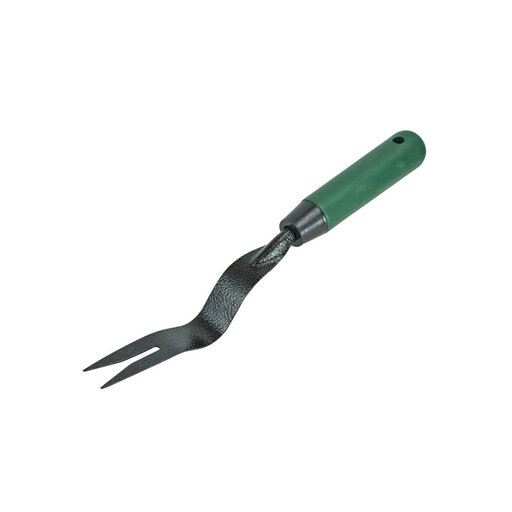
Why This Fits Their Persona: A straightforward hand tool for UK gardeners starting with lawn maintenance and wanting to remove daisies without applying weedkiller.
Its narrow, two-pronged head is designed for short-rooted weeds, rather than pretending to cover every type of garden clearance.
Heat-treated carbon steel head; powder-coated finish; plastic handle; designed to disturb surrounding soil minimally.
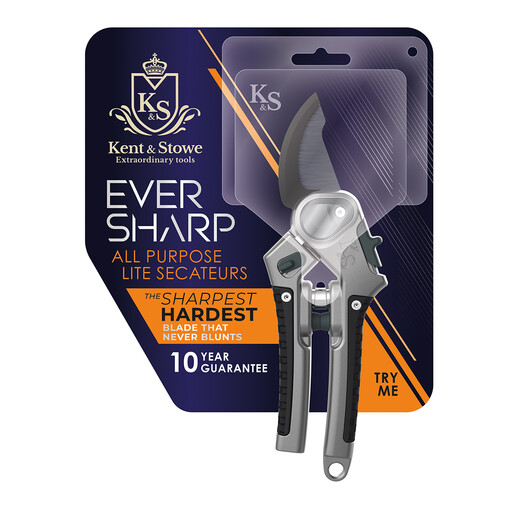
Why This Fits Their Persona: Suitable for gardeners who spend regular time deadheading, pruning live wood and carrying out detailed maintenance across a mixed garden.
The specifications state the blade material, 380 g weight and adjustable hand-size mechanism, making comfort and suitability easier to assess.
SK5 high-carbon steel blades with Eversharp coating; ambidextrous design; integrated wire and string cutter; 10-year guarantee.
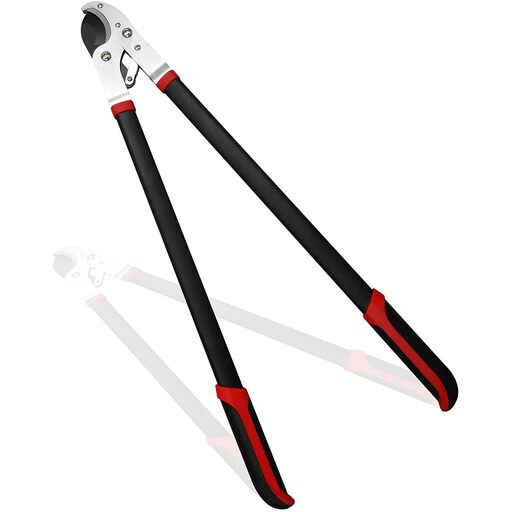
Why This Fits Their Persona: Intended for substantial branch-cutting jobs involving shrubs, bushes and fresh wood where hand secateurs would be unsuitable.
Its stated capacity is clear: up to 5 cm for fresh wood. This helps buyers match the lopper to the material instead of relying on vague heavy-duty wording.
73 cm total length; high-carbon steel blade with Ilaflon coating; non-slip handles; anvil cutting design for leverage.
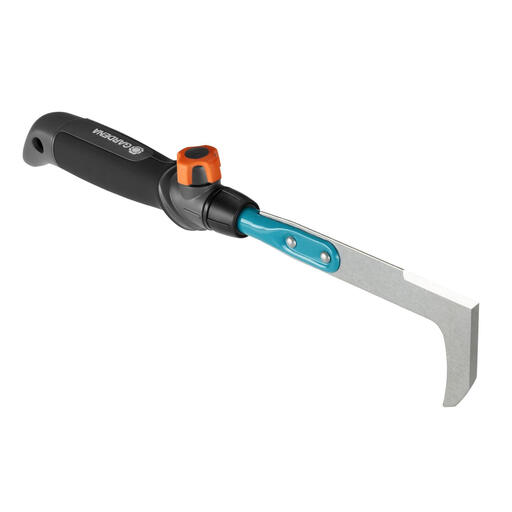
Why This Fits Their Persona: A practical choice for removing moss and weeds from paving joints, wall edges and narrow gaps around patios.
It is purpose-built for joints rather than general soil digging, with a double-sided blade and a compatible handle system.
Tempered stainless steel blade; angled working head; blade protection for storage; compatible with CombiSystem handles.
Clean blades after each session and dry them before storage. A small amount of suitable oil on pruning tool pivots can help maintain smooth movement. Keep cutting edges away from children and use gloves where recommended. Safety locks should be engaged when secateurs or shears are not in use.
For loppers, do not exceed the specified material or diameter. When using a grout scraper or patio weeder, check for loose paving and wear suitable footwear. A garden handsaw should be used with a stable stance and kept clear of the body during the cutting stroke.
We have compiled a complete, real-time list of products that fully satisfy these strict selection criteria and UK safety regulations.
Start with a pair of bypass secateurs, a hand weeding tool and sturdy gloves. Add hedge shears, loppers or a garden handsaw only when your garden contains hedges, thicker branches or larger shrubs.
Check the manufacturer’s stated cutting capacity. Secateurs are generally intended for smaller stems and branches; thicker material may require garden loppers or a handsaw. Forcing secateurs beyond their limit can damage the blade and increase the risk of slipping.
Lifespan depends on frequency of use, storage conditions, blade quality and maintenance. Wipe away sap and soil, dry tools thoroughly and store them in a dry place. Coated carbon-steel tools need particular care in damp UK conditions, while stainless-steel components still benefit from regular cleaning.