
24/7 全天候客户支持

免费退货

当日/次日达

品质保障

开启新人专享福利: 全场免邮 | 低至 2 折 | 免费试用 30 天 JoyPlus 会员
下载 Joybuy
A garden trough planter can turn a narrow patio edge, balcony, entranceway or garden border into a productive growing space. However, attractive product photography does not always reveal whether a planter will suit British weather, the available space or the plants you want to grow.
Before buying, watch for three common pitfalls:
The right choice depends on the material, planting depth, drainage, weight and intended use. The following guide explains the practical points to check before selecting an outdoor planter trough.
Capacity is usually shown in litres, but dimensions are just as important. A herb garden planter can work with a moderate depth, while vegetables, small shrubs and many perennials need more room for roots.
For a rectangular garden planter, check:
A shallow balcony trough planter may be suitable for herbs, trailing flowers and compact bedding plants. For vegetables or deeper-rooted plants, select a raised bed planter with greater planting volume where the available space and structure allow it.
The material affects appearance, weight and upkeep.
A wooden trough planter can provide a natural finish and may be painted or varnished to suit a patio or garden scheme. Solid wood should be inspected regularly and treated with an appropriate preservative or sealant, especially where it is exposed to persistent rain. Keep wooden planters on a stable, level surface and check fixings periodically.
A plastic trough planter is generally easier to reposition and clean. Recycled plastic models can provide a wood-effect or contemporary finish without the same routine timber treatment. When comparing a recycled plastic planter, look for clearly stated material information, dimensions and drainage details rather than relying on appearance alone.
Excess water can leave roots sitting in saturated compost, particularly during wet UK winters. Check whether the planter includes drainage openings or a recessed base, and follow the product instructions before adding compost. If there are no suitable openings, do not assume that a layer of stones alone will solve waterlogging.
Tall designs and a planter with trellis need additional attention. Place them on a level surface, position the trellis against a suitable support where instructed, and avoid locations where strong winds could cause tipping. Do not overload the trellis with heavy decorations or climbing growth without checking the structure and fixings.
The following options cover compact recycled plastic designs and a taller solid-wood model for climbing plants.
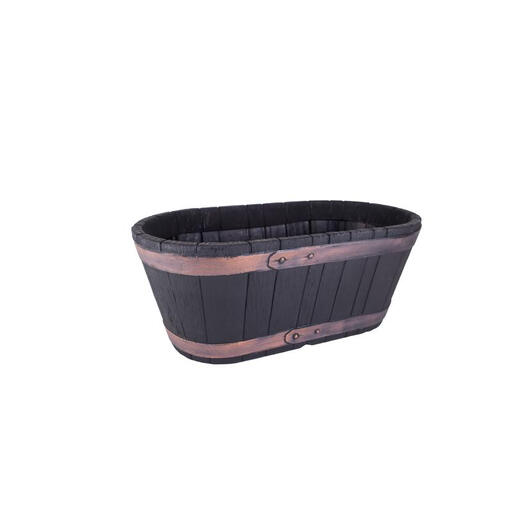
Why This Fits Their Persona: Its 60.5cm length and lightweight recycled plastic construction suit first-time gardeners creating a small flower, herb or patio display without committing to a heavy timber planter.
The stated recycled plastic material avoids the need to treat timber, while the listed dimensions make its footprint easier to assess before purchase.
Recycled plastic construction; oakwood-effect finish; lightweight format for repositioning.
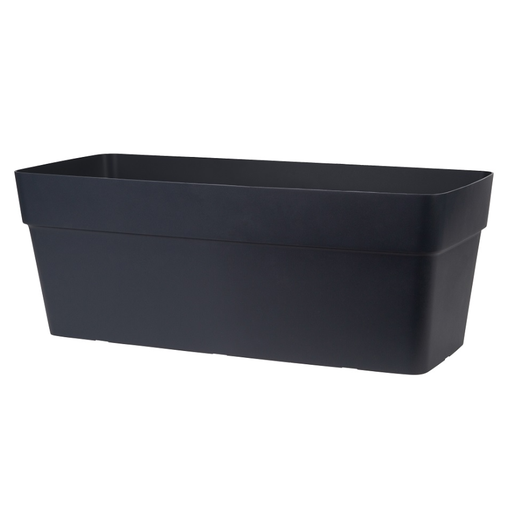
Why This Fits Their Persona: Gardeners seeking a clean, contemporary appearance can use the charcoal finish to frame doorways, patios, pathways or balcony edges while keeping the planting arrangement as the main feature.
Its stated 60cm by 25cm footprint helps with space planning, and the recessed base is designed to support drainage when used with suitable soil.
45-litre capacity; recycled plastic; charcoal colour; suitable for grouped displays and balcony gardens.
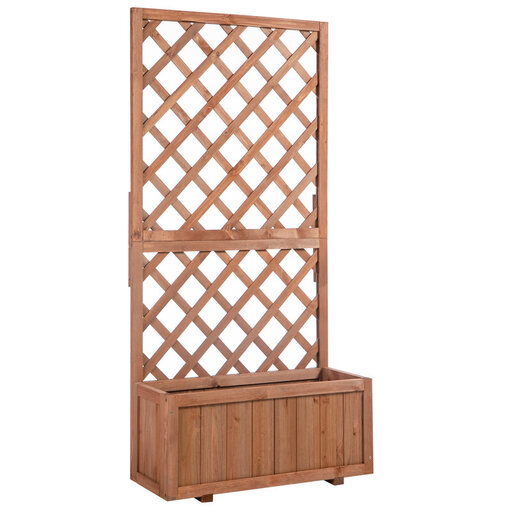
Why This Fits Their Persona: This taller raised bed planter is suited to gardeners growing climbing plants, flowers, herbs or vegetables in a garden, greenhouse, patio or larger balcony area.
The 45-litre capacity and full 72.5cm by 31.5cm footprint are stated clearly. The trellis should be placed on a stable, level surface and checked regularly for secure connections.
Solid wood construction; 45-litre planting volume; topped trellis for climbing plants; surface can be painted or varnished.
Place the trough where plants will receive the required light, but consider wind exposure and access for watering. A balcony or raised deck may have a weight limit, so calculate the combined weight of the planter, compost, water and mature plants before positioning it.
Use compost suited to the plant type and leave enough space below the rim for watering. Group plants with similar moisture and light requirements. For a flower trough planter, combine upright varieties with trailing plants for varied height. For herbs, avoid overcrowding so air can circulate and individual plants can be harvested easily.
Wooden models should be assembled according to the instructions before filling. Plastic models are easier to move, but reposition them when empty or only partly filled to reduce strain and prevent accidental tipping.
We have compiled a complete, real-time list of products that fully satisfy these strict selection criteria and UK safety regulations.
You can grow seasonal flowers, herbs, salad leaves and some compact vegetables. Choose depth and capacity according to the plant’s root requirements. A planter with trellis can also support suitable climbing plants, provided it is securely positioned.
They can be used outdoors, but solid wood needs regular inspection and suitable preservative or sealant. Keep the base from sitting in standing water, and check joints and fixings after periods of severe weather.
Adequate drainage is important for most outdoor planting. Check the product design and instructions before adding compost. If water cannot escape, roots may remain waterlogged after heavy rain, so choose a planter with suitable drainage or follow the manufacturer’s preparation guidance.