
24/7 Customer Support

Free returns

Same-day & Next-day Delivery

Quality Guaranteed

Unlock Your Welcome Offers: FREE Delivery | Up to 80% OFF | Free 30-day JoyPlus trial
Download the APP
Weeds rarely appear in just one place. A UK garden may have dandelions in the lawn, moss between paving slabs, compacted soil around shrubs and leaves collecting across the grass. Choosing the wrong tool for each job can mean more effort, damaged surfaces and equipment that is difficult to store.
Before buying garden weeding tools, watch for three common pitfalls:
The right choice depends on the surface, root depth, working area and how much bending or manual effort you are comfortable with.
Different weeds need different approaches:
Using a lawn tool on paving can blunt or damage the working edge, while scraping aggressively around young plants can disturb their roots.
For regular outdoor use, look for a clearly stated head material and a design suited to damp conditions. Heat-treated carbon steel can provide a sturdy working head for soil cultivation and root cutting. A protective coating may help resist surface rust, scratches and moisture, but tools should still be cleaned and dried after use.
Stainless steel is a practical option for patio and joint tools exposed to wet paving. Hardened steel blades are useful where the tool must cut through compacted soil, moss or narrow-rooted weeds. For larger rakes, flexible round metal tines can collect debris while reducing the chance of aggressive snagging on healthy grass.
Shaft material also matters. Tubular steel offers structural strength, while rounded aluminium can reduce overall weight during soil preparation and mulching.
A compact tool is easier to control in raised beds and between plants. Longer handles provide leverage and can reduce the need to kneel, which may be useful for allotment holders or gardeners maintaining larger borders.
For powered lawn care tools, compare:
A cordless tool may reduce cable management, but its operating time depends on the battery and workload. Manual tools have no charging cost, although larger areas may take longer to clear.
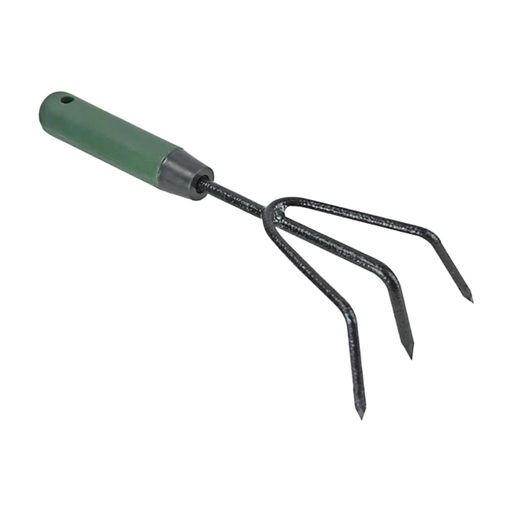
Why This Fits Their Persona: A compact choice for new gardeners, small plots, flower beds and vegetable patches where a full-size tool would be inconvenient.
Its purpose is clearly defined: loosening surface soil rather than promising to remove every type of weed.
Three narrow pointed tines; heat-treated carbon steel head; compact plastic handle.
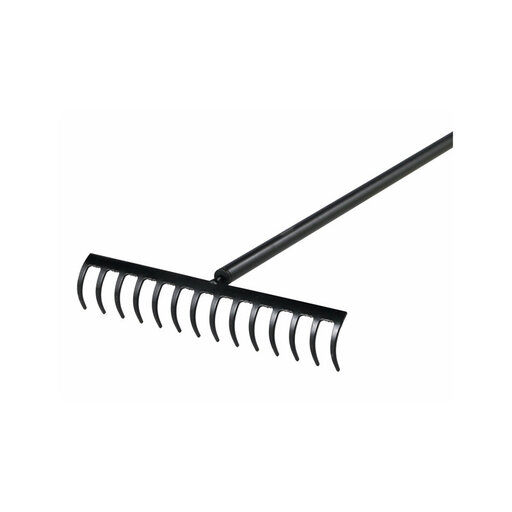
Why This Fits Their Persona: Suitable for gardeners who want one full-size tool for planting-bed preparation, smoothing soil, spreading mulch and gathering light garden debris.
The hardened carbon steel blades and stated tasks make its intended use clearer than a vague all-purpose description.
Hardened carbon steel blades; lightweight rounded aluminium shaft; integrated hanging holes.
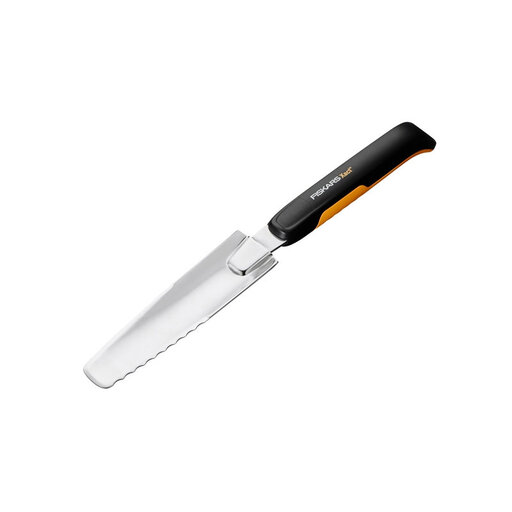
Why This Fits Their Persona: A long-handled option for lawn owners and allotment holders dealing with dandelions, deep-rooted weeds and repeated maintenance.
It is designed specifically for deep-rooted weeds, rather than relying on a shallow scraper that may leave the root behind.
Long stainless steel blade; SoftGrip handle; longer shaft for additional leverage.
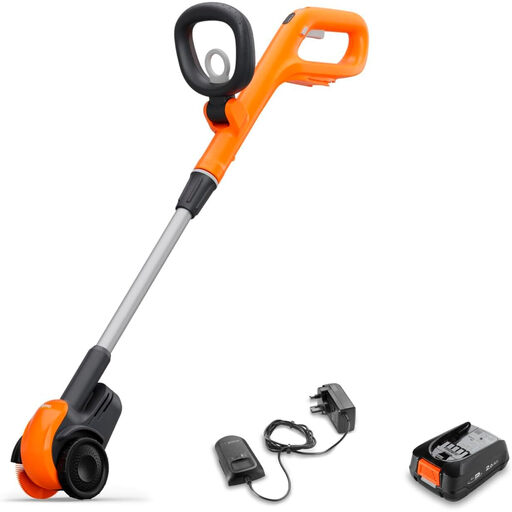
Why This Fits Their Persona: A practical match for larger paved areas where repeated manual scraping would be slow or uncomfortable.
The kit specifies adjustable speed, interchangeable nylon and wire brushes, a wheel guide and a debris guard.
18V 2.0Ah battery included; stated runtime of up to 40 minutes; telescopic shaft and adjustable handle.
For lawn-specific maintenance, the Faithfull Lawn Rake has 16 flexible round metal tines for leaves, moss, thatch and light scarification. For narrow paving joints, the Gardena CombiSystem Patio Weeder uses a double-sided tempered steel blade and can connect to compatible CombiSystem handles. The WORKPRO Grout Scraper combines a joint-cleaning head with a serrated edge, while the Gtech GT50 cordless grass trimmer switches between trimming and edging modes for lawn borders.
We have compiled a complete, real-time list of products that fully satisfy these strict selection criteria and UK safety regulations.
Wear suitable gloves and eye protection when scraping paving, cutting roots or brushing dry debris. Keep sharp blades pointed away from your body and avoid excessive force if a head becomes stuck. After use, remove soil and plant matter, dry the metal surfaces and store tools in a dry place. Battery-powered equipment should be charged and stored according to its supplied instructions, with brushes and blades checked for wear.
A hand cultivator, daisy grubber and patio weeder cover many small-garden jobs. Choose the cultivator for borders, the grubber for short-rooted lawn weeds and the patio tool for paving joints.
A manual patio weeder has no battery or charging requirement and suits occasional spot removal. A cordless weed brush may save time across a larger driveway or patio, but you should account for charging time and replacement brushes.
Lifespan depends on frequency of use, soil conditions, storage and maintenance. Steel heads and shafts can remain serviceable through repeated seasons when cleaned, dried and stored correctly. Inspect handles, blades, tines and battery accessories before each use.