
24/7 Customer Support

Free returns

Same-day & Next-day Delivery

Quality Guaranteed

Unlock Your Welcome Offers: FREE Delivery | Up to 80% OFF | Free 30-day JoyPlus trial
Download the APP
Weeds rarely appear in just one place. Daisies may spread across a lawn, moss can settle between paving slabs and grass often grows beyond neat borders. Choosing suitable garden weeding tools means matching the tool to the root, surface and size of the job rather than buying a product based on a bold marketing claim.
Three common buying traps are worth avoiding:
The right combination of manual weed removal tools, a lawn weed remover and a patio weeder can make routine maintenance more manageable.
For lawns, a narrow two-pronged head or root extractor can reach around a weed while limiting disturbance to nearby grass. A daisy grubber is intended for daisies and other short-rooted weeds. For deeper roots, a longer blade and extended handle can provide more leverage.
Paving joints need a different approach. A grout scraper, patio weeder or paving joint cleaner should have a narrow blade that can enter the gap without unnecessarily scraping the surrounding slab. For moss and loose growth over larger patio areas, a rotating weed brush may cover ground more quickly than a handheld scraper.
Steel heads should be cleaned and dried after use, particularly when they come into contact with damp soil or moss. Stainless steel offers resistance to corrosion, while coated carbon steel can provide a durable working head when stored correctly.
Look for practical details such as:
These features do not remove the need for sensible care, but they can help reduce premature wear.
A short hand tool can provide accurate control but may involve frequent kneeling or bending. Longer handles and telescopic shafts are useful for patios, borders and larger areas.
For cordless equipment, compare the battery voltage, amp-hour rating, stated runtime and charging time. Runtime figures are usually dependent on operating conditions, so treat them as a guide rather than a guaranteed result. Also check whether the battery is included and whether replacement blades, nylon brushes or wire brushes are available.
A cordless grass trimmer can maintain overgrown edges, but it should not be treated as a replacement for a root-removal tool. Likewise, a lawn edging tool creates a cleaner boundary but does not remove established weeds from soil.
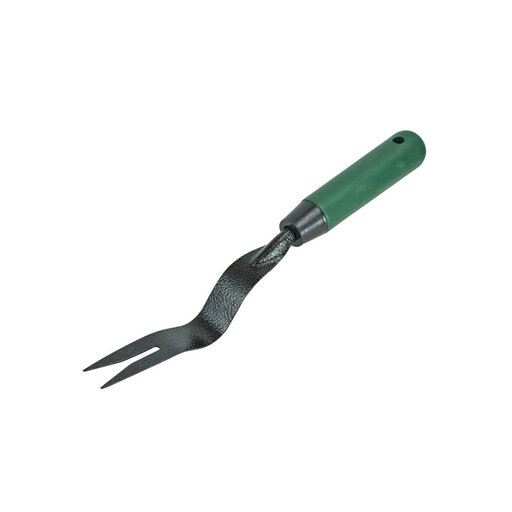
Why This Fits Their Persona: A straightforward manual option for UK homeowners or allotment growers dealing with occasional daisies and short-rooted lawn weeds.
Its two-pronged, narrow blade is designed for short roots rather than being marketed as a universal solution for every weed.
Heat-treated carbon steel head; powder-coated finish; plastic handle; manual operation.
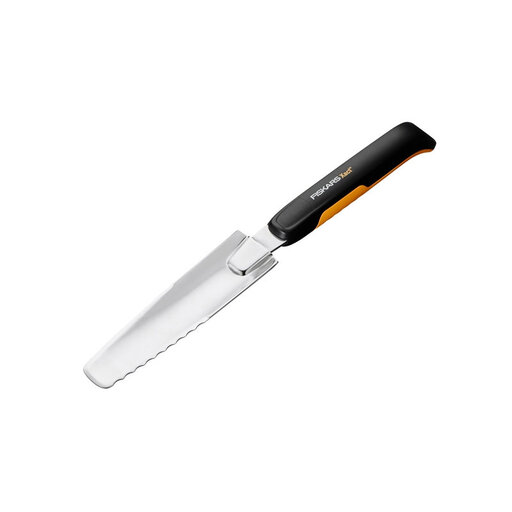
Why This Fits Their Persona: Suitable for gardeners who regularly remove deep-rooted weeds and prefer a longer handle with multiple grip positions.
The extended design and sharp blade are specified for leverage and root access, rather than relying on vague promises about effortless removal.
Stainless steel blade; SoftGrip handle; designed to remove deep-rooted weeds with limited surrounding soil disturbance.
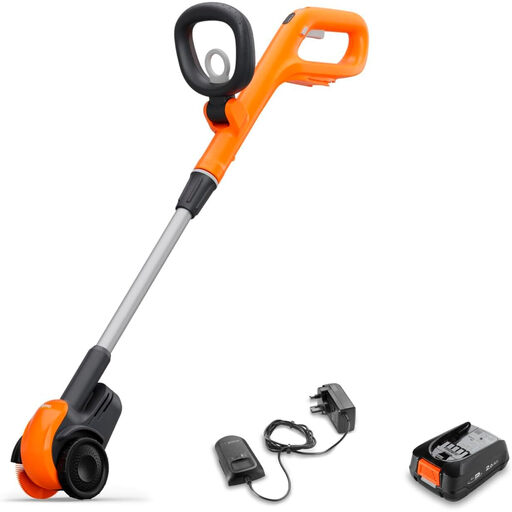
Why This Fits Their Persona: A cordless choice for larger patios, driveways and paving areas where repeated joint cleaning would make a hand tool time-consuming.
It specifies adjustable speed and both nylon and wire brush options, helping you select a brush for the surface instead of using one fixed attachment.
18V 2.0Ah battery; stated runtime of up to 40 minutes; telescopic shaft; centre guide wheel and debris guard.
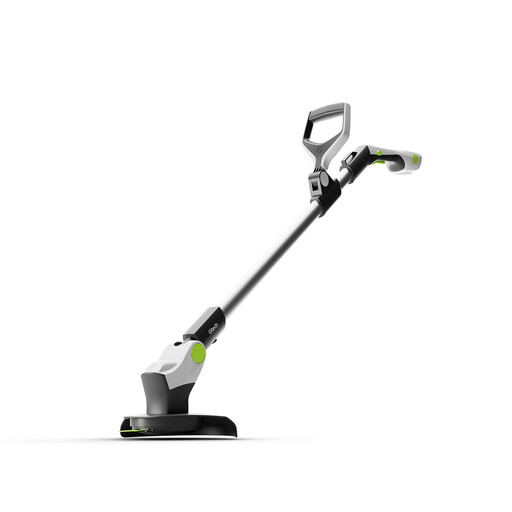
Why This Fits Their Persona: Practical for maintaining lawn edges and trimming grass around borders without managing a mains cable across the garden.
It is clearly positioned for trimming and edging, so buyers can pair it with a separate extractor or patio weeder for root and joint work.
18V lithium-ion battery; stated runtime of up to 30 minutes; 230mm cutting width; swivel head for trimming and edging modes.
We have compiled a complete, real-time list of products that fully satisfy these strict selection criteria and UK safety regulations.
A narrow patio weeder, grout scraper or paving joint cleaner is generally suited to tight gaps. Choose a blade width that fits the joint and work carefully to avoid chipping slab edges or disturbing jointing material unnecessarily.
Running cost depends on electricity use, charging frequency and battery condition. Compare the stated runtime and charging time before buying. A cordless model can also avoid the need for extension leads, but replacement batteries and brushes should be considered as part of long-term ownership.
Remove soil and plant residue after each use, dry metal parts thoroughly and store tools in a dry location. Keep sharp blades covered, inspect handles for damage and follow the manufacturer’s care instructions. Wear suitable gloves and eye protection when scraping joints or using powered brushes.