Joybuy Insights

Finding Your Perfect Pair: Top Gardening Glove Recommendations

A day spent in the garden, whether tending to an allotment or a small patio, is one of life’s simple pleasures. However, the aftermath—scratched hands, stubborn dirt under your fingernails and the sting from a rogue nettle or rose thorn—can quickly spoil the satisfaction. A reliable pair of gardening gloves is not a luxury; it’s an essential piece of kit for any UK gardener.

But with so many options available, choosing the right pair can feel overwhelming. This guide is designed to help you understand the key features to look for, so you can find gloves that offer the right balance of protection, comfort and dexterity for your specific gardening tasks.

How to Choose the Right Gardening Gloves

Before you make a choice, consider what you’ll be doing most often in the garden. The ideal glove for light weeding is very different from one designed for heavy-duty pruning. Here are a few key points to keep in mind.

1. Material Makes a Difference

The material of a glove dictates its primary function.

  • Leather: Often considered the traditional choice, leather gardening gloves offer excellent durability and protection. They are particularly effective as thorn proof gardening gloves, making them ideal for tackling roses, brambles or spiky holly. While they provide robust protection, they can be less flexible than synthetic alternatives.
  • Nitrile/Rubber Coated: These gloves typically have a fabric base with a nitrile or rubber coating on the palms and fingers. This design provides an exceptional grip, even in wet conditions, and offers good resistance to punctures. They are a versatile choice for general tasks like planting, potting and using hand tools. Many are also effective as waterproof garden gloves.
  • Fabric: Simple cotton or canvas gloves are breathable and comfortable for light-duty tasks like sowing seeds or light weeding gloves. They keep your hands clean but offer minimal protection from thorns or moisture.

2. Balancing Protection and Dexterity

Think about the trade-off between safeguarding your hands and being able to feel what you are doing. Heavy duty gardening gloves are built for tough jobs like clearing overgrown areas or handling rough materials, offering maximum protection. However, for more delicate work, such as transplanting seedlings or handling small seeds, you will need a more flexible, thinner glove that allows for greater finger sensitivity.

3. Getting the Right Fit

A poorly fitting glove can be more of a hindrance than a help. Look for features like elasticated or adjustable wrist cuffs, which prevent soil and debris from getting inside. Gloves that are too large can slip and reduce your grip, while those that are too tight can restrict movement and become uncomfortable over time. Many brands offer specific sizing for ladies gardening gloves and men's gardening gloves to ensure a more tailored and comfortable fit.

Top Product Recommendations

As a Joybuy Product Recommendation Officer, I’ve filtered through various options to highlight some practical choices that suit different gardening needs.
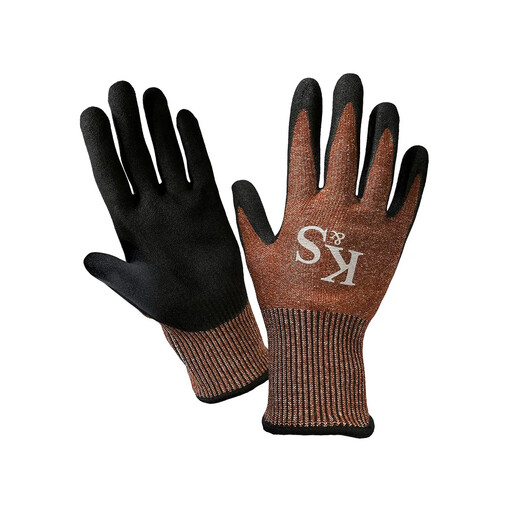
For All-Round Grip and Flexibility: Kent and Stowe Sure and Grip Gloves

Kent and Stowe Sure and Grip Gloves

  • Why It Stands Out: These gloves are a fantastic multi-purpose option. The nitrile coating on the palm and fingers provides an excellent grip for handling tools, pots and plants, whether conditions are wet or dry. They are lightweight and flexible, allowing for good dexterity during tasks like weeding and planting.
  • Pros:
    • Enhanced grip from the nitrile coating.
    • Lightweight and flexible for superior comfort.
    • Elasticated cuffs provide a snug fit and keep debris out.
    • Good resistance to abrasion and cuts for general use.
  • Who is it for? The everyday gardener who needs a reliable, comfortable glove for a wide range of tasks, from clearing leaves to potting up new plants.

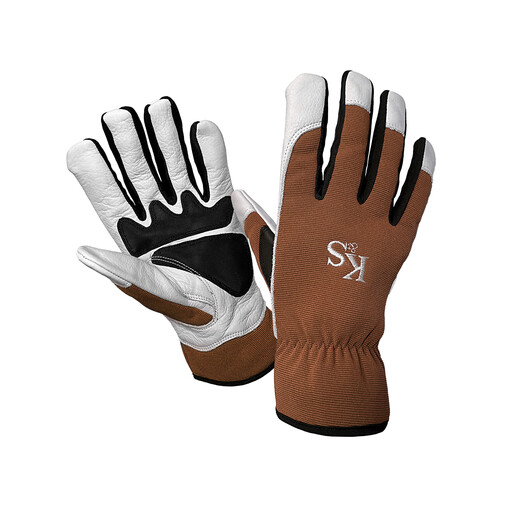
For Durability and Heavier Tasks: Kent and Stowe Sure and Fit Gloves

Kent and Stowe Sure and Fit Gloves

  • Why It Stands Out: Combining the toughness of premium soft leather with the flexibility of a breathable spandex back, these gloves are built for more demanding jobs. The reinforced PVC patches on the palm enhance both grip and protection, making them a solid choice for pruning gloves or when handling rougher materials.
  • Pros:
    • Durable leather construction offers robust protection.
    • Reinforced palm for improved grip and longevity.
    • Breathable spandex back keeps hands comfortable.
    • Elasticated wrist ensures a secure fit.
  • Who is it for? Gardeners who regularly undertake heavier tasks like pruning thorny shrubs, handling timber or carrying out general garden maintenance that requires extra durability.

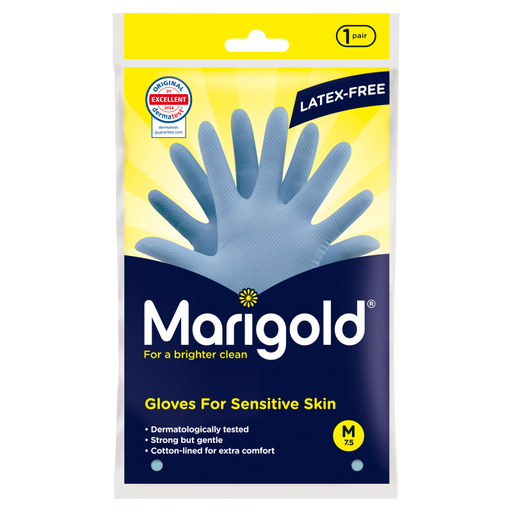
For Wet Work and Sensitive Skin: Marigold Gloves for Sensitive Skin

Marigold Gloves for Sensitive Skin

  • Why It Stands Out: While traditionally seen as a household glove, this pair is an excellent choice for specific garden tasks, especially for those with sensitive skin. They are latex-free and feature a comfortable cotton lining. Their waterproof nature makes them perfect for working with very wet soil, washing pots or cleaning tools without irritating your hands.
  • Pros:
    • Dermatologically tested and latex-free, ideal for sensitive skin.
    • Fully waterproof to keep hands dry.
    • Soft cotton lining for added comfort.
    • Anti-slip pattern provides a secure grip on wet items.
  • Who is it for? Gardeners with sensitive skin or allergies, or for anyone needing a waterproof glove for light, wet tasks like cleaning bird baths, washing down patios or potting in damp conditions.

Looking for Something Warmer?

As the seasons turn and you start preparing your garden for the colder months, keeping your hands warm becomes just as important as keeping them protected. For options designed to provide extra insulation during autumn clear-ups and winter maintenance, you may want to explore a different type of glove.

Explore our full range of Winter Warm Gloves for options suited to chilly conditions.

Frequently Asked Questions

What are the most suitable gloves for handling thorny plants like roses?

For thorny plants, you need gloves that offer good puncture resistance. Thorn proof gardening gloves, which are typically made from thick leather or have reinforced palms and fingers, are the most suitable choice. They provide a strong barrier to protect your hands from sharp thorns and spikes during pruning or clearing.

How should I clean and care for my gardening gloves?

Care instructions depend on the material. For most synthetic or nitrile-coated gloves, you can simply rinse them with water and let them air dry. Leather gloves should not be saturated with water; instead, use a stiff brush to remove dried dirt. Always let your gloves dry completely before storing them to prevent mildew and odours.

Do I need waterproof gardening gloves?

Whether you need waterproof garden gloves depends on your climate and tasks. If you frequently garden in damp UK weather or work with wet soil, they are invaluable for keeping your hands dry and comfortable. For dry tasks, a more breathable, non-waterproof glove might be more comfortable as it prevents your hands from sweating.