
24/7 全天候客户支持

免费退货

当日/次日达

品质保障

开启新人专享福利: 全场免邮 | 低至 2 折 | 免费试用 30 天 JoyPlus 会员
下载 Joybuy
Gardening gloves can look similar on a product page, yet perform very differently once exposed to wet soil, thorny stems, rough tools and repeated washing. Choosing by colour or a vague “all-purpose” label can leave you with gloves that split, slip or become uncomfortable after only a few sessions.
The most common buying traps are:
The right pair should match your usual tasks, hand size and tolerance for heat, dirt and moisture.
Different materials solve different garden problems:
A material label alone is not a complete safety assessment. If gloves are marketed as protective equipment, check the product information for relevant markings and standards. EN ISO 21420 relates to general protective glove requirements, while EN 388 may appear on gloves assessed for mechanical risks such as abrasion, tearing or cutting. Do not assume a standard applies unless it is stated by the manufacturer.
Small, medium and large gardening gloves are not interchangeable. Measure around the widest part of your hand, excluding the thumb, and compare the result with the seller’s sizing guidance.
A well-fitting glove should:
For children or adults with smaller hands, small gardening gloves may offer noticeably better dexterity than a loose medium pair. If you have broader hands or prefer to wear a thin liner, consider large gardening gloves, but check the actual measurements rather than relying on the size label alone.
An elasticated wrist helps keep soil and debris out while reducing movement during repetitive tasks. Reinforced palm patches can be useful when lifting pots or using hand tools. For wet conditions, a nitrile coating may improve handling, but the glove still needs to fit closely enough for controlled movement.
Maintenance also affects value. Leather styles generally need air drying and careful storage, while some nitrile gloves can be rinsed but are not machine washable. Always follow the product’s care instructions instead of treating all garden gloves alike.
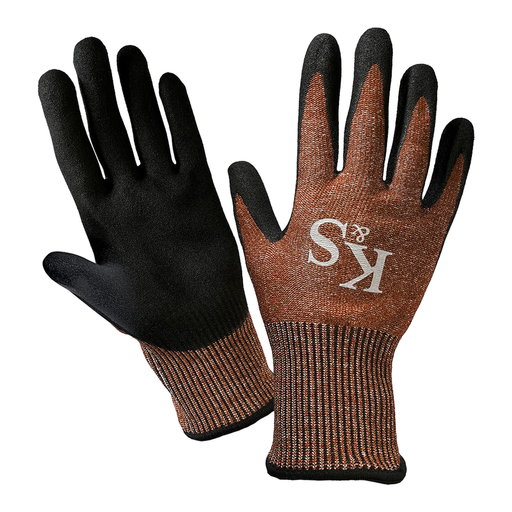
Why This Fits Their Persona: A practical small-size option for beginners tackling weeding, clearing and general garden jobs around a home or allotment.
The elasticated wrist helps limit debris entry, while the nitrile coating is listed as abrasion, cut and tear resistant. It is also designed for grip in wet and dry conditions.
Small fit, flexible construction and a nitrile palm for handling soil and tools. Rinse clean and air dry after use.
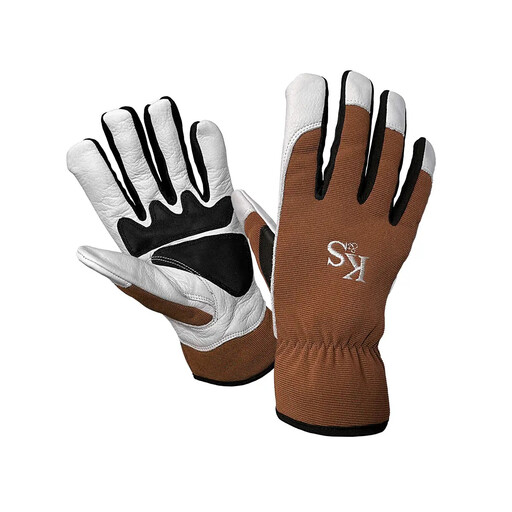
Why This Fits Their Persona: Medium-size gloves for gardeners wanting a leather palm, breathable back and a more structured feel for regular maintenance.
The product combines leather palms with reinforced patches rather than relying on thin fabric alone. Breathable fabric backs and an elasticated wrist address comfort and fit.
Leather palms provide grip and abrasion resistance, while reinforced areas are intended to reduce wear during tool and pot handling.
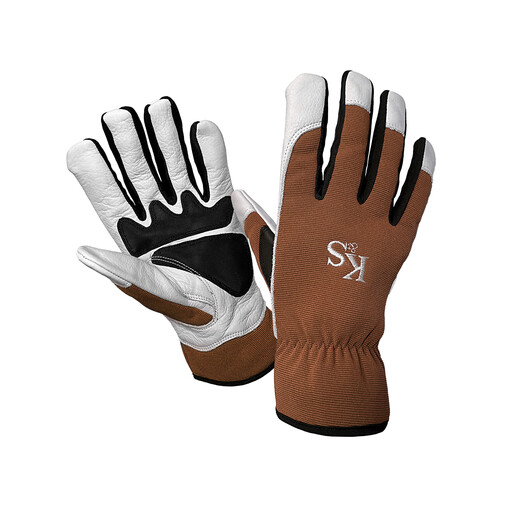
Why This Fits Their Persona: A large-size choice for repeated pruning, digging, carrying pots and general garden maintenance where a leather palm is preferred.
The design lists reinforced PVC palm patches, breathable spandex and an elasticated wrist, addressing grip, ventilation and debris control in one pair.
Leather, PVC and spandex construction; listed for weeding, pruning, planting, digging and carrying pots. Product weight is listed as 110 g.
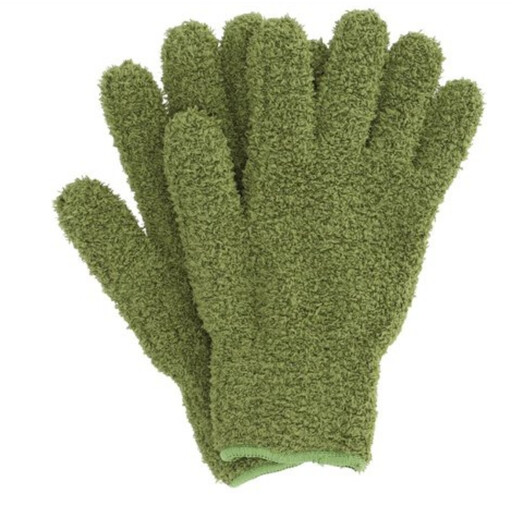
Why This Fits Their Persona: Designed for indoor plant owners who need reusable gloves for cleaning leaves rather than heavy outdoor protection.
It avoids the mismatch of using tough outdoor gloves on delicate foliage. The super-soft microfibre fleece is intended for gently removing dust and bugs from leaves.
One-size design, reusable construction and hand-wash care. It is a plant-care accessory, not a substitute for thorn-resistant or heavy-duty garden gloves.
We have compiled a complete, real-time list of products that fully satisfy these strict selection criteria and UK safety regulations.
Yes, they can help keep soil, moisture and plant residue off your hands while improving grip on hand tools. For routine weeding, flexible nitrile gardening gloves may be more convenient than thick leather. For brambles, rough stems or thorny shrubs, choose a design whose product information specifically addresses protection; ordinary fabric gloves should not automatically be treated as thorn-resistant gardening gloves.
Lifespan depends on frequency, soil conditions, exposure to thorns and how the gloves are cleaned. Check palms and fingertips regularly for thinning, tears or loss of grip. Air-dry gloves fully after use, keep them away from direct heat and replace them when damage affects protection or control.
Microfibre plant cleaning gloves are intended for wiping leaves and are not designed for digging, pruning or handling abrasive materials. For outdoor work, select gloves based on the task: nitrile for flexible grip and light maintenance, or leather gardening gloves for jobs involving tools, rough surfaces and greater abrasion exposure.