
24/7 Customer Support

Free returns

Same-day & Next-day Delivery

Quality Guaranteed

Unlock Your Welcome Offers: FREE Delivery | Up to 80% OFF | Free 30-day JoyPlus trial
Download the APP
Garlic paste can make weekday cooking considerably easier, but not every jar serves the same purpose. Some products are smooth garlic purée for curry bases, while others contain ginger, chilli, vinegar or oil and are designed more as sauces or condiments.
The main risk is buying based on front-label wording alone. A large jar may appear economical but lose quality before you finish it, while a small jar may contain less garlic than expected. Checking the ingredient list, storage instructions and intended use helps you choose a product that suits your kitchen rather than paying for features you will not use.
Garlic chilli sauce is usually a finished condiment containing chilli, vinegar, sugar, oil and salt. It works well with noodles, dumplings, dipping sauces and cooked dishes, but it will not provide the same neutral garlic base as a garlic paste.
For example, Chu Bang Garlic Chili Sauce contains chilli, garlic, soybean, vinegar, rapeseed oil and spices. HB Tiger Head Chili Sauce also includes yellow bean sauce and chilli. These are suitable for adding heat and seasoning, but they may overpower a delicate pasta sauce or a mild curry.
The word “garlic” on the front does not show how much of the jar is actually garlic. Compare the quantitative ingredient declaration where available. The Garlic Farm Garlic Puree 110g lists 95% fresh garlic, whereas Morrisons Garlic Paste 115g lists 72% garlic. Other ingredients such as water, vinegar, salt, oil and stabilisers affect texture, flavour and how much seasoning you need.
A ginger garlic paste has a different balance again. Shan Garlic & Ginger Paste 310g contains 50% ginger and 48% garlic, while Morrisons Garlic & Ginger Paste contains 40% garlic purée and 40% ginger purée. This can be useful for curry bases and marinades, but it is not a direct replacement for plain garlic purée.
Large jars can suit families, meal-prep shoppers and people who cook curries regularly. However, most opened products require refrigeration and have a recommended usage period. Shan Garlic & Ginger Paste 310g advises refrigeration after opening and use within four to six weeks. Laila Garlic Paste 1kg and Laila Ginger & Garlic Paste 1kg advise refrigeration and use within one month.
If you only use garlic paste occasionally, a 110g or 115g jar may create less waste. Always follow the storage guidance printed on the packaging, rather than assuming an unopened shelf-life also applies after opening.
Choose plain garlic paste or garlic purée for garlic bread, pasta sauces, soups and recipes where you want to control the other flavours. A ginger garlic paste is more suitable for curry ingredients, stir-fries, marinades and South Asian cooking.
For a chilli-led meal, select a garlic chilli sauce deliberately. Check the salt and sugar content because sauces are often more highly seasoned than cooking pastes. For reference, the listed salt content of Chu Bang Garlic Chili Sauce is 10.8g per 100g, while Lee Kum Kee Minced Garlic Sauce lists 5.8g per 100g.
Smooth garlic purée blends easily into sauces and marinades. Chunkier minced garlic can provide visible pieces and a more textured finish. Amoy Minced Garlic 220g is described as containing large garlic pieces, while English Provender Very Lazy Garlic uses chopped garlic preserved in white wine vinegar.
Check whether the product is intended to be cooked. Some jars are ready to add directly to a dish but recommend cooking for flavour and food safety. Shan Garlic & Ginger Paste 310g specifically advises cooking thoroughly and not consuming it raw. Follow the individual label instructions.
UK shoppers should read the full label, especially when buying imported Asian condiments. Ingredients may include sulphites, soya, mustard or wheat-containing components. Laila products list sulphites, while Chu Bang Garlic Chili Sauce contains soya. Flying Goose Sriracha Mayo also contains soya and mustard and may contain other allergens.
Preservatives such as sodium benzoate, potassium sorbate or sulphites are used in some products to support shelf stability. This is not automatically a reason to reject a product, but it is important to check the label if you have a known sensitivity.
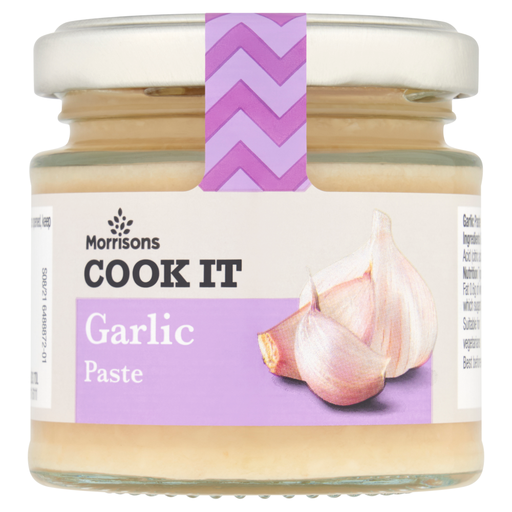
Why This Fits Their Persona: A compact jar suits UK households trying ready-to-use garlic without committing to a bulk pack.
The 115g format reduces the risk of an opened large jar remaining unused for too long.
Lists 72% garlic, has no declared allergens and is suitable for vegetarian cooking.
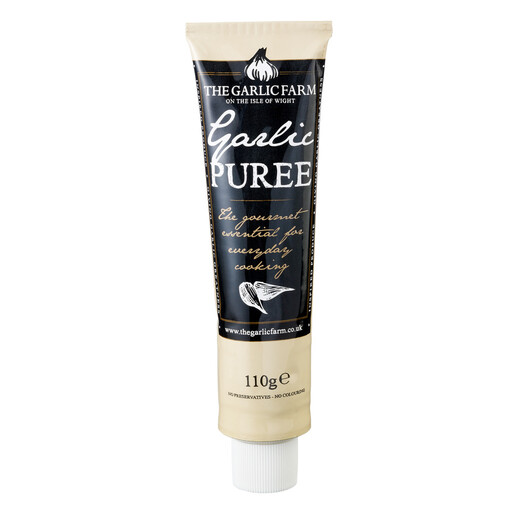
Why This Fits Their Persona: It suits cooks who prioritise a high garlic percentage and want control over added salt in recipes.
The label clearly states 95% fresh garlic and salt below 0.01g per 100g, making the formula easy to assess.
Made in the UK, blended with extra virgin olive oil and supplied in a 110g jar.
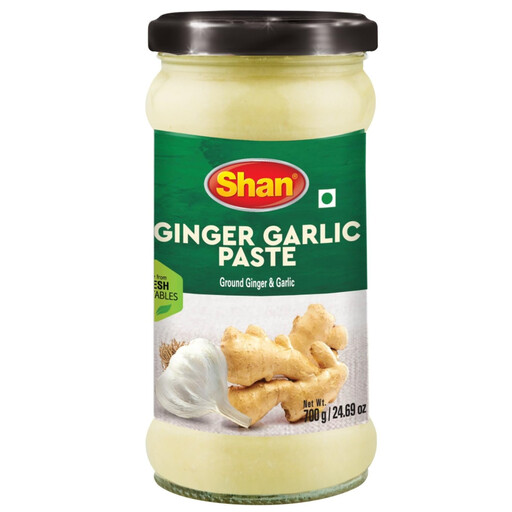
Why This Fits Their Persona: The larger jar is practical for frequent curry, marinade, stir-fry and soup preparation.
Its 700g quantity makes the purchase more suitable for regular users than occasional cooks, provided the storage period can be followed.
Combines ginger and garlic in one ready-to-use jar and lists vegan-friendly credentials; contains sulphites.
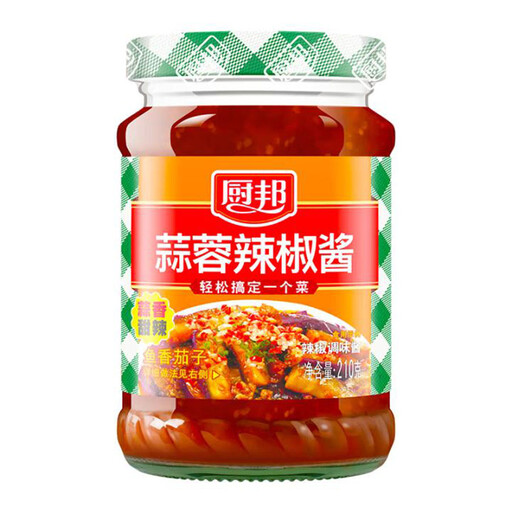
Why This Fits Their Persona: A suitable option for people seeking a spicy garlic condiment for noodles, dumplings and dipping.
The product is clearly positioned as a garlic chilli sauce, helping prevent confusion with plain cooking paste.
Contains chilli, garlic, vinegar and rapeseed oil for a ready-made spicy seasoning; contains soya.
We have compiled a complete, real-time list of products that fully satisfy these strict selection criteria and UK safety regulations.
It depends on jar size, garlic percentage and how much you use. A ready-to-use product can reduce preparation time and food waste, particularly when a recipe needs several cloves. Compare the net weight and ingredient list rather than judging value from the shelf price alone.
Storage periods vary. Many products require refrigeration and recommend use within four weeks, while some allow four to six weeks. Keep the lid tightly closed, use a clean spoon and follow the packaging guidance. Discard a product if it develops mould, an unusual smell, discolouration or a slimy texture.
Yes, if the recipe suits the added ginger. It works well in curry bases, stir-fries, marinades and noodle dishes. For garlic bread, creamy sauces or recipes requiring a straightforward garlic flavour, plain garlic paste or garlic purée gives you more control.