
24/7 Customer Support

Free returns

Same-day & Next-day Delivery

Quality Guaranteed

Unlock Your Welcome Offers: FREE Delivery | Up to 80% OFF | Free 30-day JoyPlus trial
Download the APP
Garlic products can save preparation time, add depth to everyday meals and introduce flavours from across Asia and beyond. However, the most attractive-looking jar or packet is not always the right choice for your kitchen.
Common buying pitfalls include choosing a product without checking whether it is ready to eat or intended for cooking, overlooking storage requirements and confusing a concentrated seasoning with a simple garlic ingredient. A product may also appear inexpensive until you compare the pack size, garlic percentage and amount of salt or oil.
This guide explains the practical details to check before buying garlic seasoning, garlic powder, crushed garlic, garlic paste, fried garlic, garlic crisps, garlic bread and other garlic-based foods.
Garlic powder is easy to measure and store, but it does not provide the same texture as crushed garlic or garlic paste. Fried garlic and garlic crisps add crunch rather than moisture, while pickled garlic brings acidity and sweetness. Consider how you normally cook before choosing.
Frozen crushed garlic and garlic and ginger paste require freezer storage, usually at -18°C or below. Once thawed, some products should be used immediately and must not be refrozen. In contrast, dry powders and fried garlic usually need a cool, dry cupboard and a tightly sealed pack.
Seasoning blends, garlic condiments and crunchy garlic toppings can contain salt, oil, flavour enhancers or chilli. Check the nutrition panel and ingredient list, particularly if you are adding the product to soups, noodles, marinades or several dishes in one meal.
If you want a straightforward cooking ingredient, look for a short ingredient list. RAJAH Spices Garlic Powder lists garlic as its ingredient, while Taj Crushed Garlic is described as 100% garlic. By comparison, a garlic seasoning may combine dried garlic with salt, coriander, onion powder and other ingredients.
For a topping, garlic percentage helps you understand what you are buying. HAIDILAO Fried Garlic Crisps contain 93% garlic, whereas some chilli oil toppings include garlic alongside vegetable oils, chilli, soy and seasonings.
Always read the packaging supplied with the product because recipes and packaging can change. Look for highlighted allergens such as wheat, soya, sesame, milk, peanuts and sulphites. For example, garlic-flavoured ramen snacks may contain wheat and soya, while garlic chilli toppings can contain wheat, soya and sesame.
For frozen food, check the cooking temperature and ensure it is piping hot throughout before serving. Do not refreeze food after thawing unless the packaging specifically permits it.
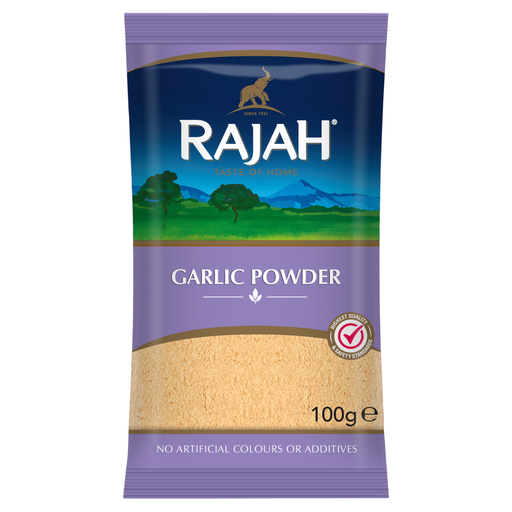
Why This Fits Their Persona: A practical cupboard staple for UK households trying garlic flavour in soups, sauces, marinades and roasted vegetables without buying fresh bulbs each week.
The listed ingredient is garlic, so shoppers can distinguish it from a salty multi-ingredient garlic seasoning.
100g jar; finely ground dehydrated garlic; suitable for cooking applications where an even texture matters.
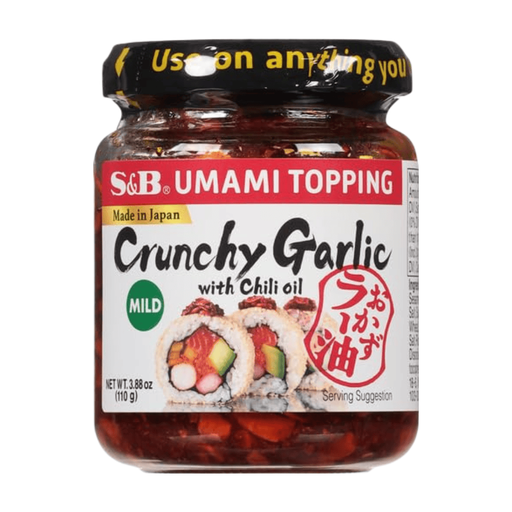
Why This Fits Their Persona: Suits food enthusiasts who want a ready-to-use Japanese-style garlic condiment for noodles, rice, dumplings and grilled dishes.
The mild heat level is stated clearly, helping buyers avoid assuming every crunchy chilli topping has the same spice intensity.
110g jar; includes fried garlic and chilli oil; ready to spoon over cooked food.
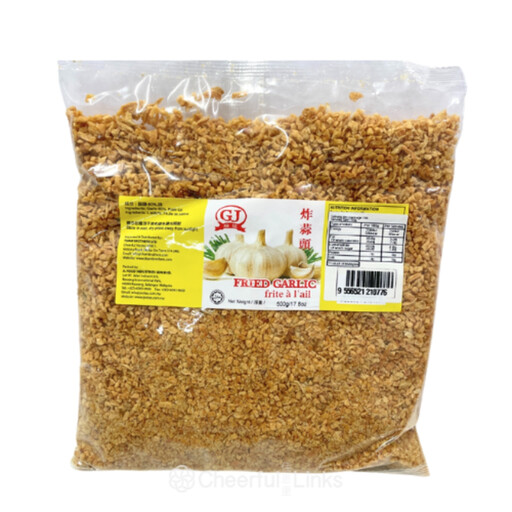
Why This Fits Their Persona: The larger pack is suited to frequent home cooks, caterers and professional kitchens using fried garlic as a crunchy garnish.
A 500g pack makes the quantity clear, avoiding the poor value that can come from repeatedly buying small garnish jars.
Garlic and palm oil are listed; ready to use on noodles, stir-fries, curries, salads and rice dishes.
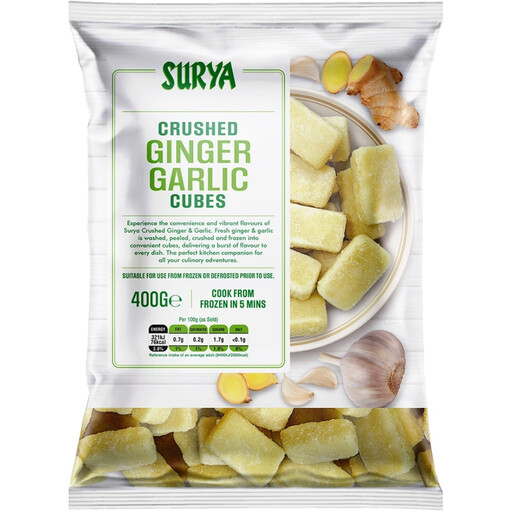
Why This Fits Their Persona: Pre-portioned frozen cubes help busy households prepare curries, stir-fries, soups and marinades without peeling or chopping.
The pack provides approximately 20 cubes of around 20g each, making portions more predictable than estimating spoonfuls from a jar.
Contains 50% garlic and 50% ginger; can be cooked from frozen and has no listed allergens.
We have compiled a complete, real-time list of products that fully satisfy these strict selection criteria and UK safety regulations.
Frozen crushed garlic or garlic and ginger paste is convenient for curries, stir-fries and marinades because it reduces preparation and portioning. Choose frozen cubes if you have freezer space or a refrigerated jar if you prefer a cupboard-to-fridge format after opening.
Garlic powder has a shelf life shown on its packaging. It is generally practical to store in a cool, dry and dark cupboard with the lid sealed. Moisture can cause clumping and reduce aroma, so use a clean, dry utensil and avoid storing it beside a kettle or hob.
No. Garlic supplements are formulated for adult consumption according to a stated dosage, while garlic seasoning is a culinary ingredient. Supplement users should read the label, avoid exceeding the recommended dose and seek medical advice if pregnant, breastfeeding, taking medication or managing a health condition.