Last-minute shoot stylists
If you prepare one or two outfits just before photographs, a compact steamer for hanging garments may fit your space and storage needs. Compare its stated warm-up time with the time you actually have between looks.


Choose a compact handheld steamer for quick touch-ups to one hanging outfit when space is limited. For repeated outfit changes, compare water capacity and setup; if thick shirts, collars or sharp creases need a pressed finish, keep an iron available or consider a steam-and-iron hybrid rather than relying on a steamer alone.
If you prepare one or two outfits just before photographs, a compact steamer for hanging garments may fit your space and storage needs. Compare its stated warm-up time with the time you actually have between looks.
Several outfit changes make tank capacity, refilling and a safe place to rest the steamer more consequential than they are for a single touch-up.
If collars, cuffs or creases in thicker fabrics will be prominent in the frame, plan for more controlled finish work. Philips notes that a garment steamer may not produce the same result as an iron on thick cotton or linen shirts.
Start with the finish the clothes need in the photograph, then consider how many garments you will prepare and where you can safely set up the appliance.
| Concern | What to check | Who this matters to |
|---|---|---|
| Fast, portable touch-ups | Compare stated warm-up time, storage size and cord reach; check whether the steamer can rest safely between garments. | When I have one outfit to prepare at the shoot location, I need a tool I can set up and put away without taking over the space. Around 33% of consumers put speed and portability first. |
| Visible creases and finish | Check the exact model’s steam settings and whether it has an ironing function; retain an iron if sharply pressed details are essential. | Collars, cuffs or thick shirts need a more controlled finish when their creases will show in the photograph. For around 27% of consumers, that finish is the primary concern. |
| Fabric and detail handling | Read the garment label and appliance instructions; check which fabric tools are included. | If an outfit has delicate fabric, texture or heat-sensitive trim, I need to know whether and how I can steam it before bringing the tool close. Around 20% of consumers prioritise fabric and detail handling. |
| Repeated outfit changes | Compare tank capacity, refill method and cord reach alongside stated steam output. | With several looks to prepare, stopping repeatedly to refill could disrupt the session. Enough water capacity is the leading need for around 20% of consumers. |
Thick cotton, linen and defined shirt details may still show creases in photographs. Philips distinguishes garment steaming from ironing on thick cotton or linen shirts.
Keep an iron available for crisp details, or consider a hybrid with an ironing mode if you also need to steam hanging garments.
An output figure does not tell you how often you will need to refill during several outfit changes.
Compare tank capacity, refill method, stated runtime where available and cord reach for the exact model. Set aside a safe place to rest the appliance.
A UK product safety report from the Office for Product Safety and Standards, published on 30 January 2026, identified a fire risk from a non-compliant plug on the LM-2401 handheld clothes steamer. The report concerns that product, not garment steamers generally.
Check the plug, cable, manufacturer information and instructions for the appliance you intend to buy. Stop using it if the plug or cable is damaged or overheating.
A fabric brush or delicate tool does not override restrictions on the garment label or establish that trims and coatings tolerate steam.
Follow both the garment-care label and the exact steamer instructions, taking particular care with glued decorations, coated fabrics and unknown embellishments.
Its compact handheld 3000 Series is relevant to quick touch-ups and limited storage space.
Its cited handheld models offer different combinations of accessories, tank capacity and stated steam output.
Its Steam Genie range includes a steam-and-iron hybrid for hanging-garment work and more controlled treatment on a flat surface.
These choices span a stand-based steamer for a multi-garment setup and handheld models for smaller touch-up spaces. Decide which format fits the shoot before comparing the stated features.
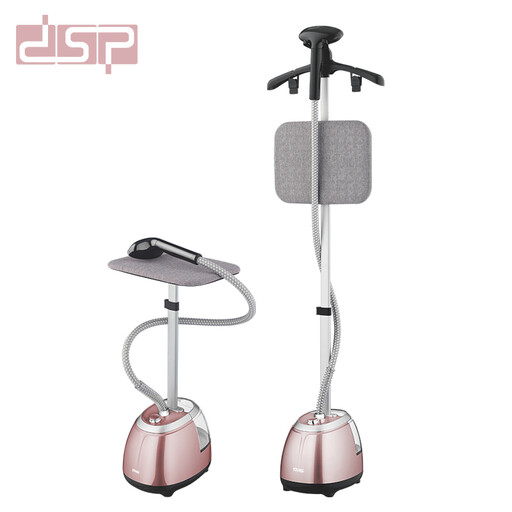 No image available
Consider this stand-based format if you have room to set up beside several outfits, rather than needing a compact handheld steamer.
The product name specifies 2000 W, 10 settings, a 2.1 L water tank and a stainless steel nozzle. Confirm the plug and instructions are suitable for your intended use before buying.
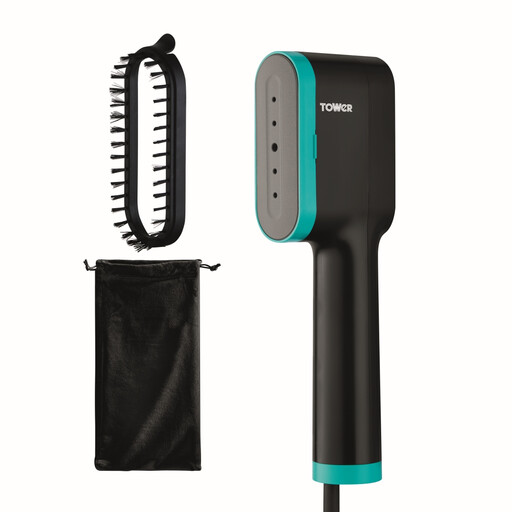 No image available
The handheld format suits a smaller garment-preparation space; check the warm-up time if you need to make touch-ups immediately before photographs.
The product name specifies 1400 W and a ceramic soleplate. A soleplate alone does not establish that this model can replace an iron for sharp creases; check its instructions, plug and fabric guidance.
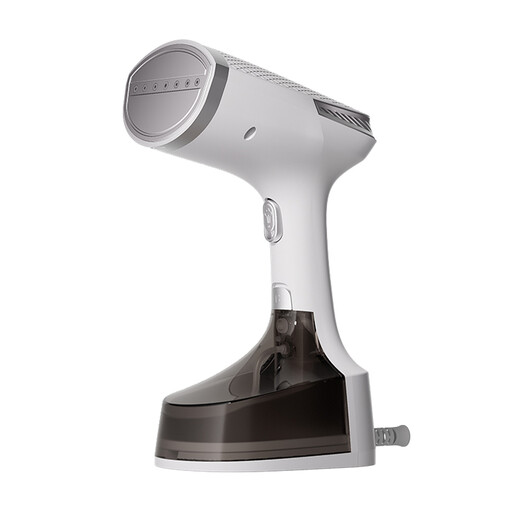 No image available
Consider the handheld format if you need to prepare clothes where a stand-based setup is impractical. Check warm-up time, steam output and included accessories against the garments you expect to style.
The product name specifies 1600 W, a 300 ml tank and a UK plug. Follow the appliance instructions and garment labels rather than treating the plug description as a safety assessment.
Not when you need a sharply pressed finish on every garment. Philips says a steamer may not achieve the same result as an iron on thick cotton or linen shirts; keep an iron available for defined collars, cuffs and crease lines.
Look for a stated warm-up time that fits your schedule, enough cord reach and a safe place to rest the appliance. If you will prepare several looks, check tank capacity and refilling as well as how the steamer fits around your clothing rail.
Only where the garment’s care guidance and the exact steamer instructions permit it. An attachment or general delicate-fabric claim does not establish that a particular trim, coating or glued decoration can tolerate steam.
Check the appliance’s intended market, plug, cable, manufacturer information and instructions. The Office for Product Safety and Standards reported a high fire risk from a non-compliant plug on the specific LM-2401 handheld steamer in January 2026; do not assume a marking or a product description replaces checks on the appliance you buy.
Check the steamer’s rating plate against the destination’s voltage and frequency, as well as the adaptor’s rating. Electrical Safety First advises that a voltage converter or transformer may be needed when the supply voltage differs, unless the appliance is dual-voltage rated.