
24/7 Customer Support

Free returns

Same-day & Next-day Delivery

Quality Guaranteed

Unlock Your Welcome Offers: FREE Delivery | Up to 80% OFF | Free 30-day JoyPlus trial
Download the APP
A gel moisturiser can feel like an easy skincare purchase: choose a lightweight texture, apply it after cleansing and move on. However, the word “gel” covers everything from an oil-free water gel to a richer gel-cream containing emollient oils. The wrong choice may leave oily skin looking shiny, sensitive skin feeling uncomfortable or dry skin under-hydrated.
Before buying a facial gel moisturiser, look beyond the cooling texture and attractive claims. These are three common pitfalls worth avoiding:
A water gel moisturiser usually feels fluid, fresh and fast-absorbing. It can work well for combination or oily skin, particularly in warmer indoor environments or under make-up. An oil-free moisturiser may be preferable if you dislike a greasy finish, but “oil-free” does not automatically mean suitable for every blemish-prone user.
Gel-creams offer a middle ground. They may contain humectants such as glycerin, hyaluronic acid or panthenol to attract water, alongside emollients that help soften the skin. These are often more suitable for normal, dry or seasonally dehydrated skin.
For everyday hydration, check for glycerin, betaine, hyaluronic acid, urea or panthenol. If your priority is a skin barrier moisturiser, ingredients such as ceramide NP, hydrogenated lecithin, niacinamide and oat derivatives may be useful additions.
For dull-looking skin, a brightening gel cream may contain niacinamide, vitamin C derivatives, rice extract or other botanical ingredients. These should be viewed as cosmetic support for a more radiant-looking complexion, not as a treatment for pigmentation or a medical condition.
If you are considering a moisturiser for oily skin, salicylic acid may appear in clarifying formulations. It can be unsuitable for some sensitive users, especially when combined with other exfoliating products. Introduce such products gradually and avoid applying them to broken or irritated skin.
“Hypoallergenic”, “dermatologically tested” and “non-comedogenic” are useful product descriptions, but they are not guarantees that every individual will tolerate a formulation. Fragrance-free options may be preferable for sensitive users, while those with known allergies should compare the ingredient list with previous reactions.
A 50ml jar or tube is convenient for facial use. Larger formats, such as 100g or 180g, may offer better value if the product is also suitable for the neck or body. Always check the opening date guidance, batch details and storage instructions printed on the pack. Keep the lid closed and avoid storing skincare in direct sunlight or excessive heat.
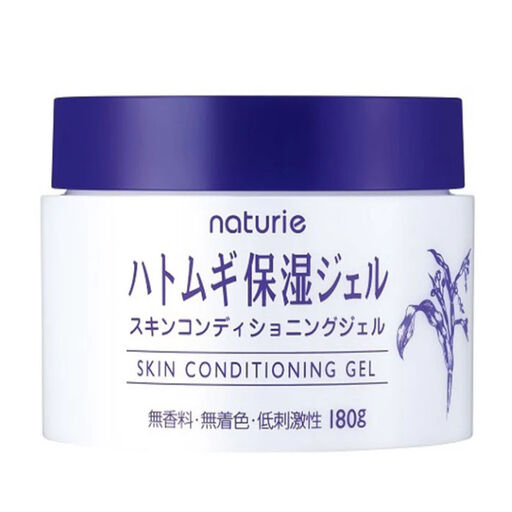
Why This Fits Their Persona: The generous 180g format suits teenagers, first-time skincare users and households wanting one lightweight gel for face, neck and dry body areas.
Its oil-free, fragrance-free and colourant-free description makes the formulation easier to assess than relying on the word “jelly” alone.
Large 180g size; can be used as a facial gel, overnight layer or body moisturiser after bathing.
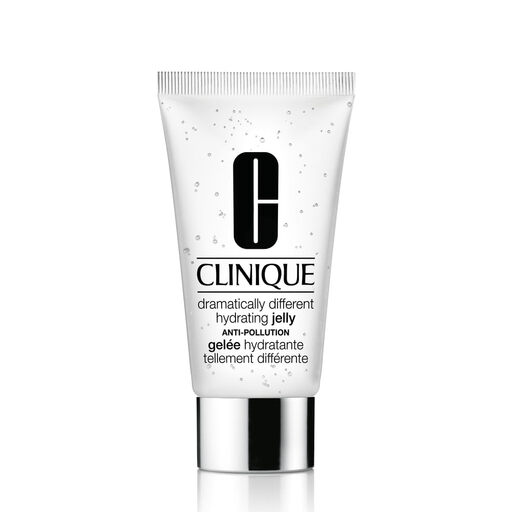
Why This Fits Their Persona: A compact daily facial gel moisturiser for shoppers who prioritise a water-jelly texture, oil-free feel and fragrance-free formulation.
The listed formulation and product details clearly identify the lightweight, oil-free, non-sticky positioning rather than suggesting that every gel has the same finish.
100% fragrance-free according to the product description; water-jelly texture designed for quick absorption.
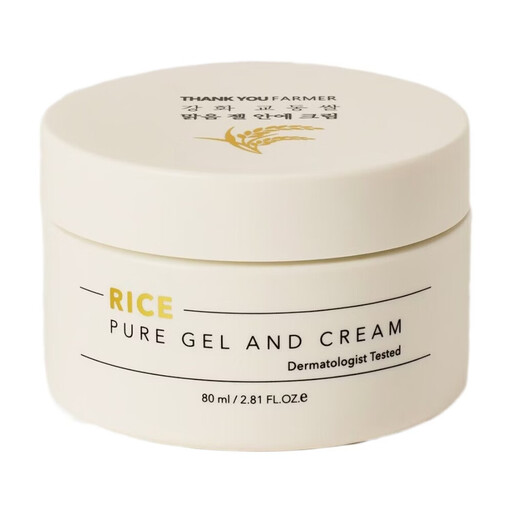
Why This Fits Their Persona: Useful for UK customers whose skin changes between lighter daytime hydration and a richer evening layer during colder or drier periods.
The adjustable gel-to-cream ratio avoids locking you into one texture, although users should note that the ingredient lists differ between the two textures.
80ml format; includes glycerin, niacinamide and ceramide NP across the listed gel and cream formulations.
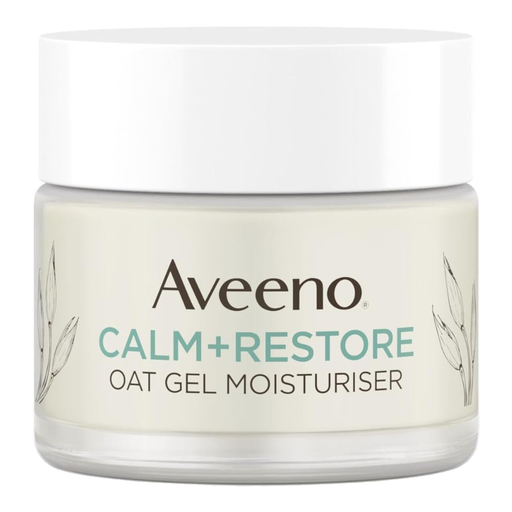
Why This Fits Their Persona: A practical option for normal-to-dry sensitive skin that prefers a lightweight gel-cream rather than a heavy balm.
The product details specify fragrance-free, non-comedogenic and hypoallergenic features, while still advising users to stop if irritation develops.
Contains oat ingredients and feverfew extract; fast-absorbing gel-cream texture for morning or evening use.
We have compiled a complete, real-time list of products that fully satisfy these strict selection criteria and UK safety regulations.
Apply a small amount after cleansing and any serum. Spread it across the face and neck, then allow it to absorb before applying sunscreen in the morning. If your skin feels tight, apply a second thin layer rather than one heavy application.
Patch-test a new formulation on a small area first, especially when it contains fragrance, essential oils, salicylic acid or several active ingredients. Do not use moisturiser on broken skin and discontinue use if persistent redness, itching, swelling or discomfort occurs.
Often, yes. Lightweight and oil-free formulations can provide hydration without a visibly greasy finish. However, check the full ingredient list and choose a texture that feels comfortable rather than relying on the word “gel” alone.
Yes. Apply a thin layer to clean skin and wait until it has absorbed before using SPF. If pilling occurs, reduce the amount of moisturiser or allow more time between skincare steps.
This depends on the product, frequency of use and packaging. Follow the period-after-opening symbol and storage guidance on the pack. A 50ml facial moisturiser may be used up more quickly than a 125ml or 180g format, particularly if applied to the neck or body.