
24/7 Customer Support

Free returns

Same-day & Next-day Delivery

Quality Guaranteed

Unlock Your Welcome Offers: FREE Delivery | Up to 80% OFF | Free 30-day JoyPlus trial
Download the APP
A gel moisturiser can be a practical choice when traditional creams feel heavy, greasy or difficult to layer under sunscreen. However, the light texture alone does not guarantee a suitable formula. UK shoppers can easily spend money on a product that pills under make-up, leaves skin tight or contains ingredients that do not suit their preferences.
Before choosing a hydrating gel moisturiser, look beyond phrases such as “instant glow” or “all-day hydration”. The ingredient list, intended use and texture are more useful indicators of whether a product will fit your routine.
A watery or cooling finish may feel refreshing when first applied, but it does not necessarily mean the product will keep skin comfortable throughout the day. Look for humectants such as glycerin, hyaluronic acid, panthenol or betaine, which help attract and hold water at the skin’s surface.
For drier skin, a gel cream moisturiser containing emollients, silicones or barrier-supporting ingredients may feel more comfortable than a very thin water gel.
Skin preferences vary considerably. A fragranced brightening gel moisturiser may appeal to someone with normal or combination skin but may not suit those who prefer a fragrance-free moisturiser. Similarly, a rich gel cream can be more appropriate for dry skin but may feel unnecessary on an oily complexion.
Check the full ingredient list rather than relying only on front-of-pack claims. If you are sensitive to fragrance, essential oils, alcohol or particular preservatives, compare the formula with your own requirements.
A facial gel moisturiser is not automatically appropriate for the eye area, and an eye gel is not designed to replace full-face hydration. The skin around the eyes can be more reactive, so use products according to their stated purpose and avoid direct contact with the eyes.
Likewise, a shaving gel is designed to cushion hair removal and rinse away. It should not be treated as a leave-on moisturiser.
Choose between:
If you apply serum and SPF in the morning, a lightweight face moisturiser that settles without stickiness is usually easier to layer. Allow each product to absorb before applying the next one to reduce pilling.
For an oil-free moisturiser, check whether the ingredient list contains oils or rich esters rather than relying on the product name. “Oil-free” does not mean moisture-free: humectants, silicones and polymers can still create a comfortable, breathable finish.
Those seeking a non-comedogenic moisturiser should look for a specific product statement, while remembering that individual skin can respond differently. A fragrance-free formula may be a more straightforward choice for shoppers who want to minimise avoidable scent ingredients.
A 15–25ml eye gel is designed for targeted application, while a 40–80ml facial product is generally more practical for daily face care. Larger formats, such as 180g, may offer greater flexibility for face, neck and body use.
Always check the current packaging for directions, ingredients, warnings, shelf-life information and storage guidance. Patch testing a small area before full application can help identify potential irritation, but it cannot guarantee that a product will suit every user.
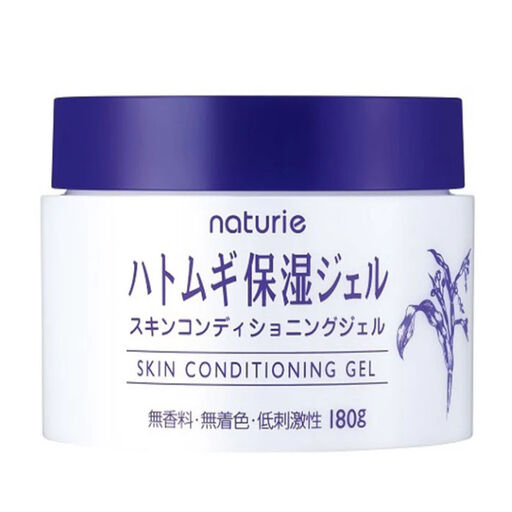
Why This Fits Their Persona: The generous 180g size suits shoppers starting a simple routine or wanting one gel for face, neck and body after bathing.
Its listed formula is oil-free, fragrance-free and colourant-free, helping shoppers avoid unnecessary scent and heavy-feeling ingredients.
Jelly texture changes to a watery feel on contact; the product is also listed for facial, overnight-mask and body use.
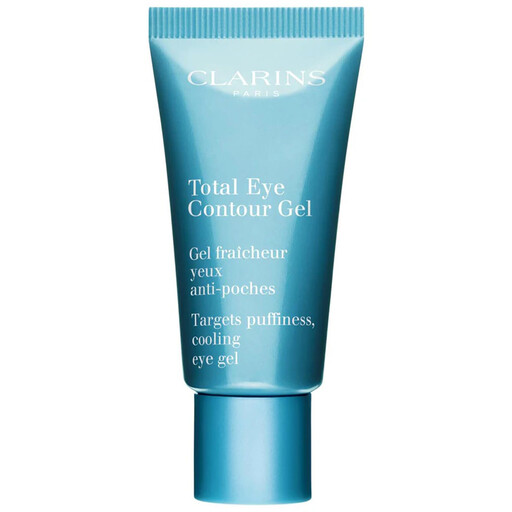
Why This Fits Their Persona: A targeted eye gel for shoppers who prefer a dedicated, compact product for morning and evening eye-area care.
It is clearly designated for the eye contour rather than being presented as a general face cream.
The formula includes glycerin, caffeine and botanical extracts in a lightweight 20ml format.
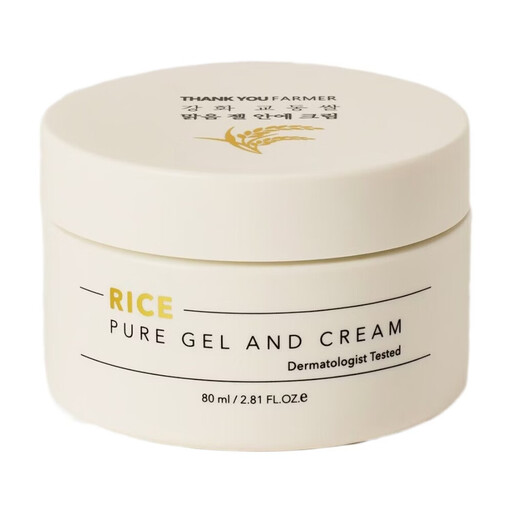
Why This Fits Their Persona: Useful for households or shoppers whose skin needs change between lighter daytime care and richer evening hydration.
The dual-texture design lets users adjust the gel-to-cream ratio rather than committing to one fixed finish.
The 80ml product includes a spatula and lists rice extract, niacinamide, hyaluronic acid and ceramide NP.
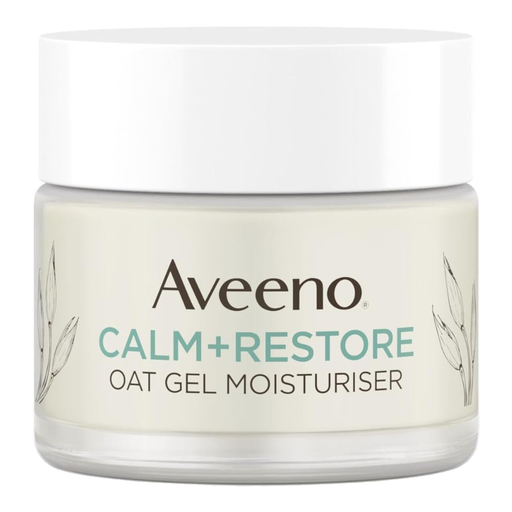
Why This Fits Their Persona: A straightforward option for normal-to-dry skin shoppers who prioritise a fragrance-free gel cream with a soft, non-greasy finish.
The product information identifies it as fragrance-free and non-comedogenic, with a stated hypoallergenic formulation.
It contains oat ingredients and feverfew extract, with a lightweight gel cream texture designed for daily face and neck use.
We have compiled a complete, real-time list of products that fully satisfy these strict selection criteria and UK safety regulations.
It can be, particularly when the formula has a light finish and avoids ingredients you know your skin dislikes. Look for water-based textures, humectants and a clearly stated non-comedogenic claim where relevant. Apply a small amount first; using too much product can make even a lightweight gel feel tacky.
Yes, provided it absorbs comfortably and does not conflict with the products layered over it. Apply a thin, even layer to clean skin, wait until it has settled, then apply SPF as the final morning skincare step. If pilling occurs, reduce the amount or leave more time between layers.
The usable period depends on the product’s packaging, preservation system and storage conditions. Keep the container closed, avoid dipping unwashed fingers into an open jar and store it away from heat and direct sunlight. Check the packaging for the open-jar symbol, batch details and any stated period-after-opening guidance.