
24/7 Customer Support

Free returns

Same-day & Next-day Delivery

Quality Guaranteed

Unlock Your Welcome Offers: FREE Delivery | Up to 80% OFF | Free 30-day JoyPlus trial
Download the APP
Gel products cover a wide range of everyday purchases, from toilet cleaner gel and limescale remover to face cleanser gel, hair styling gel and intimate care. Their shared texture can make them easy to apply, but it does not mean every gel works in the same way.
The main risk is buying based on fragrance, packaging or a familiar product claim without checking the formula’s actual purpose. A bathroom gel is not interchangeable with a skincare gel, while a water-based lubricant may have different condom-compatibility requirements from an oil-based product.
This guide explains the practical details to check before buying, then matches selected products to different UK shopping needs.
“Gel” describes the consistency, not the intended use. A firm hold hair gel, hydrating gel cleanser, tanning gel and bathroom air freshener gel all have different ingredients, application methods and safety instructions.
Always start with the product category:
Using a product outside its intended area can lead to poor results or skin irritation.
Terms such as “deep cleansing”, “long-lasting freshness” and “intensive hydration” can be useful indicators, but they do not replace checking the label. Look for measurable details such as volume, active ingredients, hold level, SPF rating, fragrance type and stated contact time.
For example, a toilet gel may require 10 or 30 minutes before brushing and flushing. A cleanser may be designed for daily use, while a peeling gel may be intended for once or twice weekly application.
Some formulas can damage surfaces, fabrics or protective products. Toilet cleaners containing disinfectants should not be mixed with bleach or other cleaning chemicals. Benzoyl peroxide in an acne treatment gel may bleach coloured towels and bedding. Lubricants may not be suitable with every condom material.
Read the packaging, ingredients and warnings before checkout, particularly when buying products for sensitive skin, intimate use or homes with children and pets.
Check whether the product is for the face, hair, body, toilet bowl, room fragrance or intimate areas. A face cleanser gel may contain surfactants designed to remove oil and make-up, while a hyaluronic acid cleanser may include glycerin or hyaluronic acid in a rinse-off formula.
For skincare, consider whether you need:
For hair, compare hold levels and finish. A clear gel may suit a natural-looking style, whereas a firm hold formula is more appropriate for structured looks.
Ingredients provide more useful information than front-of-pack descriptions. Common examples include:
A product’s ingredient list can also reveal potential concerns, such as fragrance, essential oils or preservatives. Perform a patch test where recommended and stop using a product if irritation develops.
A 750ml toilet cleaner may be practical for regular household use, while a 15g facial treatment gel is intended for targeted application. Check how frequently the product should be used and whether it needs particular storage.
For gels used outdoors, check the SPF rating, reapplication guidance and water-resistance information where provided. For lubricant gel, verify condom and toy compatibility rather than relying on the phrase “water-based” alone.
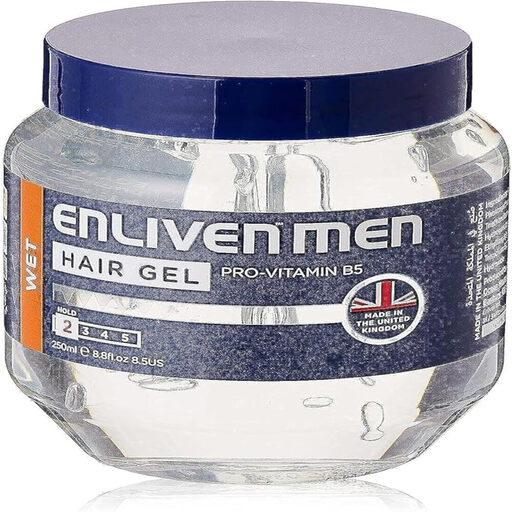
Why This Fits Their Persona: A 250ml clear formula is a straightforward option for everyday styling at home or while travelling around the UK.
The clear formula and water-washable application help address concerns about visible residue and difficult build-up.
250ml size; clear, non-sticky formula; contains glycerin and panthenol.
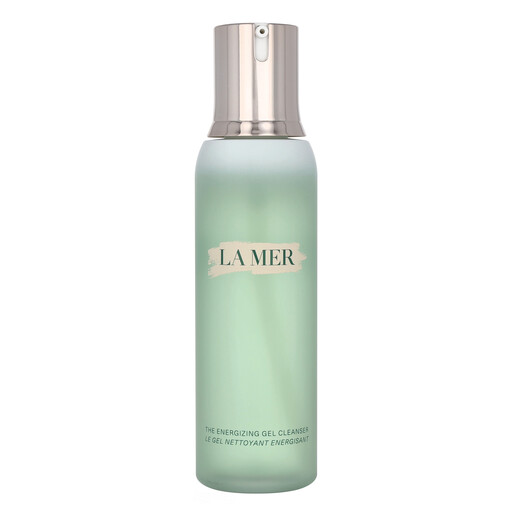
Why This Fits Their Persona: Suitable for shoppers prioritising a premium facial cleansing routine with a gel-to-foam texture.
Its stated 200ml size and listed cleansing ingredients make it easier to compare with other face cleanser gel formats.
Gel-to-foam texture; designed to remove dirt, oil and make-up; 200ml bottle.
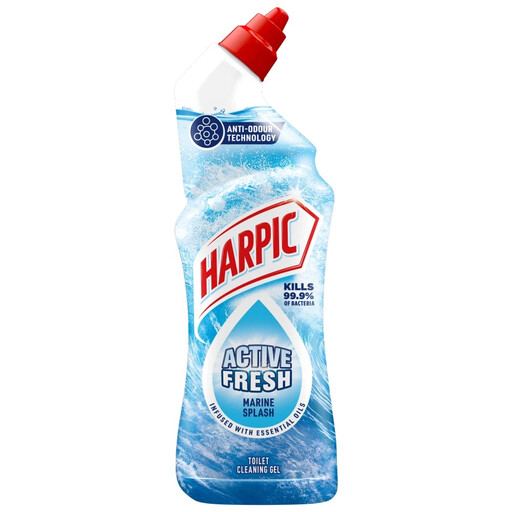
Why This Fits Their Persona: The 750ml format suits frequent household cleaning, particularly where limescale and toilet-bowl staining are regular concerns.
The angled nozzle supports under-rim application, while the label provides a stated wait time before brushing and flushing.
750ml capacity; citrus fragrance; product information lists limescale and stain removal and a 0.29g per 100g ADBAC active ingredient.
We have compiled a complete, real-time list of products that fully satisfy these strict selection criteria and UK safety regulations.
Shelf life depends on the product and storage conditions. Check the printed expiry date, batch information and any period-after-opening symbol. Close caps firmly, keep products away from heat and sunlight and avoid touching leave-on gels unnecessarily.
Some are designed with sensitive skin in mind, but suitability varies by ingredients and individual tolerance. Fragrance, essential oils, preservatives and active ingredients may cause irritation. Introduce one new product at a time and perform a patch test when advised.
Some product labels state septic-tank suitability, while others do not. Check the specific bottle before purchase. Never combine toilet cleaner with bleach, descalers or other chemicals and follow the UK label instructions for ventilation, contact time and disposal.