
24/7 Customer Support

Free returns

Same-day & Next-day Delivery

Quality Guaranteed

Unlock Your Welcome Offers: FREE Delivery | Up to 80% OFF | Free 30-day JoyPlus trial
Download the APP
Gel products cover a wide range of everyday uses, from hair styling gel and shaving products to toilet cleaners, baking colours and hand hygiene. The word “gel” describes texture rather than purpose, so two products with a similar consistency may have entirely different ingredients, safety requirements and storage needs.
The main buying mistake is choosing by appearance or a bold front-label claim alone. A practical purchase starts with the intended use, the active ingredients and the instructions supplied with the product.
A hair styling gel is designed to coat and shape hair, while a toilet cleaner gel is formulated for hard surfaces and may contain disinfectants, acids or bleach-based ingredients. Similarly, food colouring gel is intended for recipes, whereas drain unblocker gel can contain corrosive chemicals.
Never substitute one type for another, even if the texture looks similar. Check that the product category, directions and warnings match your intended use.
Terms such as “long-lasting”, “deep action” or “extra strong” need context. For example, a styling gel may state a hold rating, while a hand sanitiser should clearly show its alcohol content and application directions. A household cleaner should provide hazard information, active ingredients and surface-use instructions.
Look beyond the front label and check the full product description, ingredient list, net quantity and manufacturer guidance.
Products used on skin, hair, the mouth or intimate areas require closer checking than a general household product. Fragrance, alcohol, salicylates, preservatives and other ingredients may not suit everyone. For pain relief gel, oral care gel, shaving gel or intimate gel lubricant, read age restrictions, active ingredients and usage limits before buying.
For intimate products, check whether the formula is water-based and whether the packaging states condom compatibility. For cleaning products, never mix formulas, particularly bleach-based products with acids or other cleaners.
Start with the exact job:
Size should match frequency of use and storage space. A 50ml hand sanitiser is convenient for a handbag, car or coat pocket, while a 750ml toilet cleaner is more suitable for regular household use. A 15g food colouring tube can reduce waste when only small amounts are needed.
Application also affects convenience. Pump bottles can help dispense intimate gel lubricant cleanly, tubes offer control for baking colours and nozzle bottles help apply toilet cleaner beneath the rim. Check whether the cap, nozzle or applicator needs special handling.
For cosmetic and personal-care products, check whether the formula is intended for external use only and whether it should be kept away from eyes, broken skin or children. A pain relief gel containing diclofenac, such as Voltarol Back & Muscle Pain Relief 1.16% Gel, has specific age, dosage and duration instructions. It should be used only as directed on the label or leaflet.
For cleaning products, read hazard symbols and ventilation advice. Some toilet cleaners and drain products can cause serious eye or skin damage. For food gels, check storage instructions, colour additives and suitability for the people eating the finished bake.
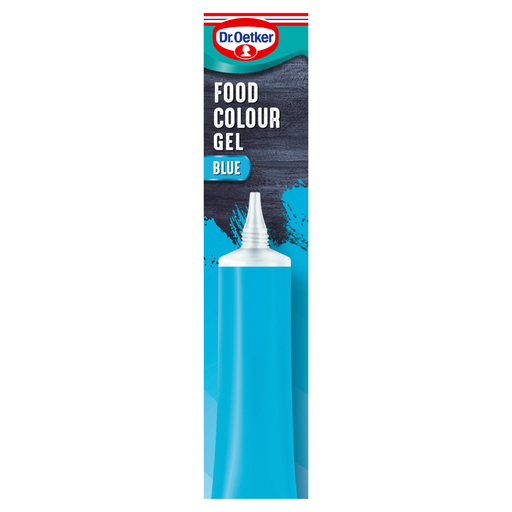
Why This Fits Their Persona: The small tube is practical for occasional home baking, birthday cakes and themed cupcakes without committing to a large container.
The 15g format and drop-by-drop dosing help avoid buying more colour than a typical home recipe requires.
Concentrated gel texture; suitable for cakes, buttercream and other icing mixtures.
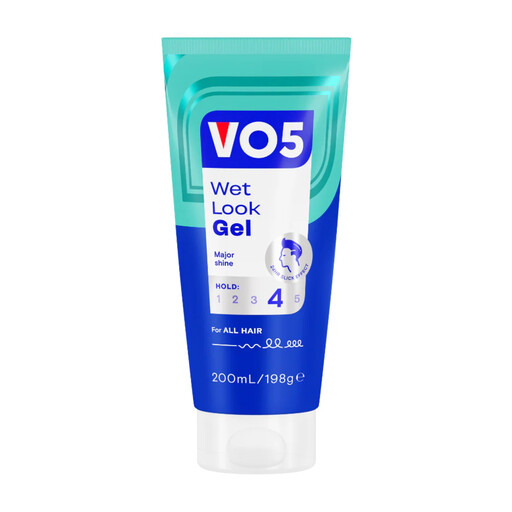
Why This Fits Their Persona: Suitable for shoppers who want a defined, glossy hairstyle and a larger 200ml format for repeated styling.
The listed hold rating, finish and humidity-related product information give buyers clearer criteria than choosing by fragrance or packaging alone.
Non-sticky, quick-drying texture; stated 5/5 hold and wet-look finish.
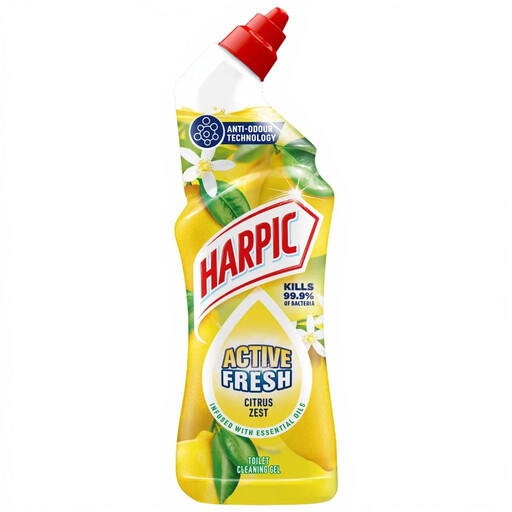
Why This Fits Their Persona: A 750ml bottle suits households needing regular toilet cleaning, particularly where under-rim application and limescale care are priorities.
The product information identifies application under the rim, contact time and cleaning targets, helping users avoid unsuitable general-purpose alternatives.
Thick gel for targeted under-rim application; formulated for dirt, limescale and toilet-bowl hygiene.
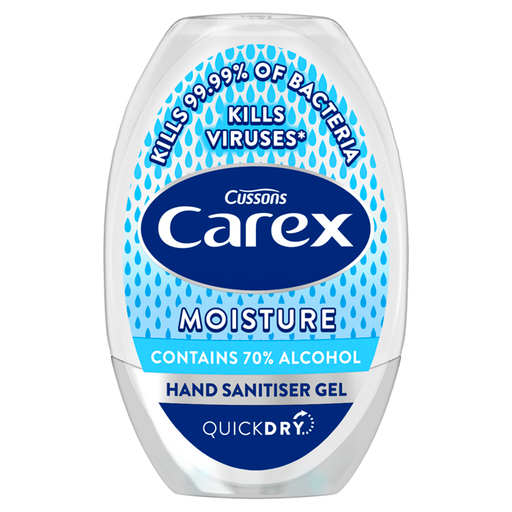
Why This Fits Their Persona: This pocket-sized option suits commuters, parents and shoppers who need a portable gel for use away from a sink.
The stated ethanol content provides a clearer basis for comparison than vague “fresh hands” wording, while the 50ml size supports mobile use.
70% ethanol listed; quick-drying format with added moisturisers.
We have compiled a complete, real-time list of products that fully satisfy these strict selection criteria and UK safety regulations.
Shelf life varies by formula and packaging. Check the best-before date or expiry information on the product label. Once opened, keep caps closed and store products as directed. Food colouring gels should be kept cool and dry, while alcohol-based hand sanitiser and aerosol styling products should be kept away from heat and flames.
No. A hair styling gel, toilet cleaner gel, oral care gel and intimate gel lubricant have different formulations and intended uses. Use each product only for the purpose stated on its packaging.
Cost depends on dose, pack size and frequency of use. Concentrated food gels may require only a small amount per recipe, while larger household bottles can offer more applications. Compare the price per 100ml or per gram where available, then check how much the instructions recommend for each use.