
24/7 Customer Support

Free returns

Same-day & Next-day Delivery

Quality Guaranteed

Unlock Your Welcome Offers: FREE Delivery | Up to 80% OFF | Free 30-day JoyPlus trial
Download the APP
A gentle face cleanser should remove sweat, sunscreen, excess oil and everyday grime without leaving your skin uncomfortable. Yet many UK shoppers choose products based on attractive packaging or phrases such as “deep clean” and “pore detox”, only to experience tightness, dryness or irritation.
Before buying a facial cleanser, look beyond the front label. The texture, surfactant system, fragrance content and exfoliating ingredients can make a noticeable difference to daily comfort.
A squeaky-clean sensation can indicate that too much surface oil has been removed. This may be unsuitable if your skin is dry, sensitive or already feels tight after washing. A non-stripping face wash should leave the skin clean without a persistently taut or uncomfortable finish.
Botanical extracts, essential oils and fragrance can still be unsuitable for reactive skin. Check the full ingredient list rather than relying on terms such as “plant-based” or “natural”. For example, some formulas contain rose fragrance, citrus oils or aromatic extracts that may not suit everyone.
Salicylic acid, willow bark, fruit acids and physical particles may appeal to people with oily or blemish-prone skin. However, using several exfoliating products at the same time can increase dryness or stinging. A cleanser containing acids should be introduced gradually, particularly if you also use retinoids or leave-on exfoliants.
Surfactants create the cleansing action. Amino-acid and coconut-derived systems are often selected for a milder feel, while richer foaming systems may feel more thorough but can be less comfortable for some dry skin types.
Look for supporting ingredients such as glycerin, panthenol, betaine, oat, ceramides or hyaluronic acid. These do not turn a cleanser into a moisturiser, but they can help provide a more comfortable rinse-off experience.
A low-pH cleanser is generally formulated to sit closer to the skin’s naturally acidic surface environment. Product descriptions may list a pH of around 5.5 or describe a slightly acidic formula. This is useful information, but pH alone does not guarantee suitability: the complete surfactant system and your own tolerance also matter.
If your skin is dry or sensitive, choose a formula described as fragrance-free, soap-free or non-stripping where possible. Always check the packaging, as formulations can change.
Use lukewarm water, massage gently for around 30 seconds and pat dry. Hot water and vigorous rubbing can make cleansing feel harsher.
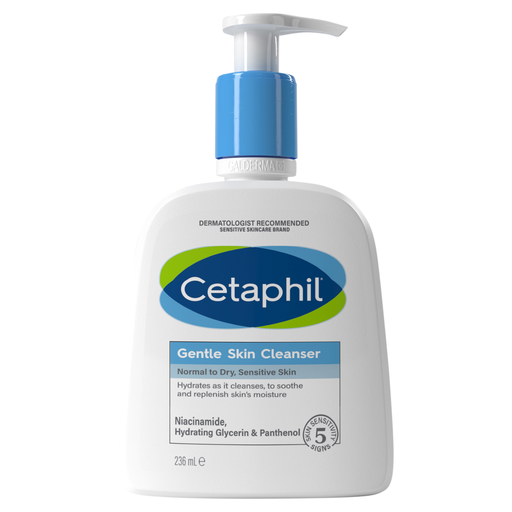
Why This Fits Their Persona: A practical option for normal-to-dry sensitive skin, with a 236ml size and the flexibility to use it with or without water.
Its non-foaming, fragrance-free and soap-free format avoids the assumption that a strong lather is necessary for clean skin.
Contains glycerin, panthenol and niacinamide; can be rinsed off or removed with a soft cloth according to the product directions.
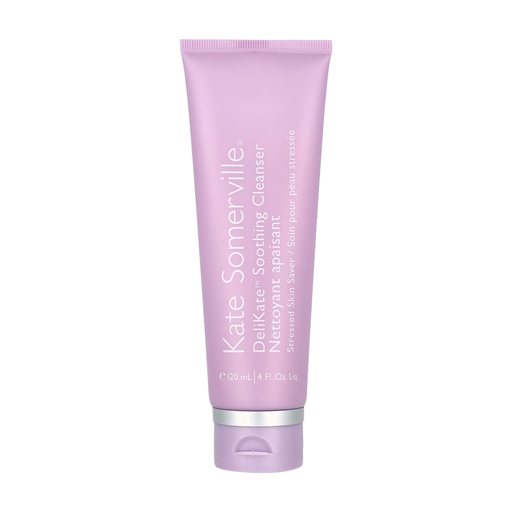
Why This Fits Their Persona: Its cream texture and fragrance-free format suit shoppers prioritising a more cushioning cleansing experience for dry or reactive-feeling skin.
It does not rely on a strong foaming sensation and is described as sulphate-free and non-stripping.
Includes ceramides, cholesterol and phytosphingosine; the listed formula is fragrance-free.
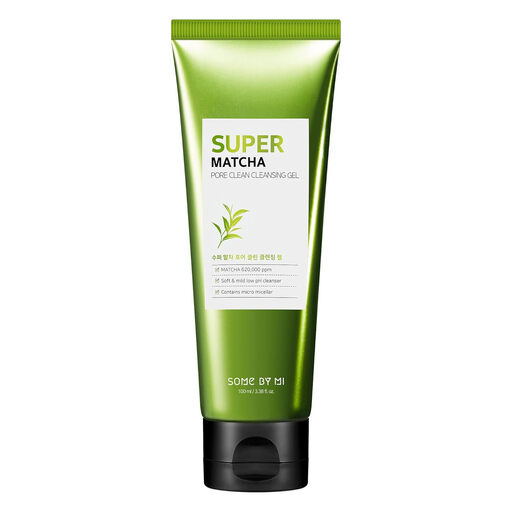
Why This Fits Their Persona: Designed for oily, combination or congested-feeling skin where a pore-focused gel texture and one-step cleansing are priorities.
The product information identifies a low-pH, sulphate-free gel, while also advising reduced massage time for extremely sensitive skin.
Contains matcha leaf water, willow bark extract, lactobionic acid and konjac powder for a cleansing routine with exfoliating elements.
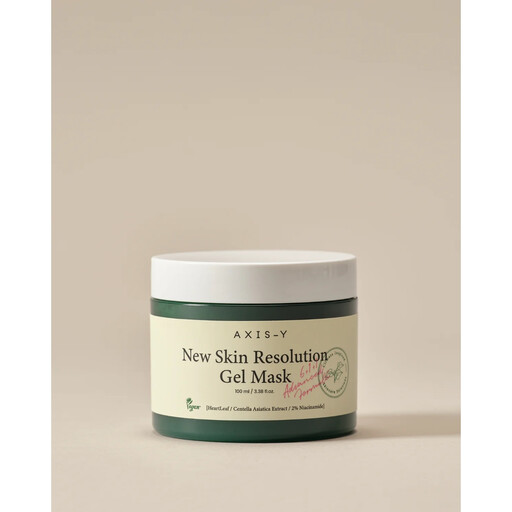
Why This Fits Their Persona: A vegan-certified gel cleanser with a 180ml capacity for shoppers wanting a straightforward morning-and-evening routine.
Its listed cleansing agents are derived from cornstarch and coconut oil, and the product is described as non-irritation tested.
Includes quinoa, glycerin, betaine and centella asiatica extract; the directions recommend a 30–60-second massage with lukewarm water.
We have compiled a complete, real-time list of products that fully satisfy these strict selection criteria and UK safety regulations.
Most people use a facial cleanser once or twice daily. If your skin feels dry or tight, cleansing thoroughly in the evening and rinsing with water in the morning may be more comfortable. Follow the individual product directions.
It can be, but foam volume does not indicate gentleness. Check for fragrance, soap-based ingredients and exfoliating acids, then monitor how your skin feels after rinsing. A fragrance-free, low-pH or amino-acid cleanser may be preferable for some sensitive-skin routines.
Usage depends on the size of each application and whether you cleanse once or twice daily. A 200ml product will generally provide more applications than a 100ml tube, but dispensing two or three pumps each time can shorten its lifespan. Replace the product according to its packaging guidance and discard it if its smell, colour or texture changes.