
24/7 全天候客户支持

免费退货

当日/次日达

品质保障

开启新人专享福利: 全场免邮 | 低至 2 折 | 免费试用 30 天 JoyPlus 会员
下载 Joybuy
If your face feels tight, hot or uncomfortable after washing, the problem may not be your moisturiser. A cleanser that removes too much oil, contains a fragrance you do not tolerate, or requires vigorous rubbing can leave sensitive, dry or dehydrated skin feeling worse.
Choosing a gentle facial cleanser for sensitive skin is less about impressive claims and more about checking the formula, cleansing method and format. The following guide highlights common buying traps and compares practical options for different UK skincare routines.
A thick foam can feel satisfying, but foam volume does not automatically indicate better cleansing. Some foaming formulas may leave dry skin feeling tight, particularly when used with hot water or rubbed for too long.
A sensitive skin face wash should remove everyday dirt, excess oil and light make-up while allowing the skin to feel comfortable afterwards. If your face feels squeaky rather than clean and soft, the formula or technique may not suit you.
A product can contain glycerin, hyaluronic acid or soothing botanical ingredients and still include fragrance. If you are prone to stinging or reacting to scented products, check the full ingredient list rather than relying on the front label.
Look for a clearly stated fragrance-free cleanser where possible. However, remember that “natural” essential oils and fragrant plant extracts can also be unsuitable for some sensitive skin types.
Terms such as “barrier care”, “deep hydration” and “clinic-level” may sound appealing, but they do not replace practical information. Before buying, check the cleanser’s size, directions, ingredient list, intended skin type and whether it needs rinsing.
A travel-sized product can be convenient, but it may cost more per millilitre. Conversely, a large bottle may offer better value but be less suitable for a gym bag or hand luggage.
A barrier-supporting cleanser commonly combines mild cleansing agents with humectants such as glycerin or panthenol. Cream, balm, milk and low-foam formats are often considered by people with dry or easily irritated skin, while a light gel or foam may feel more comfortable for combination or oilier skin.
Do not assume that every sulphate-containing formula will irritate you, or that every sulphate-free formula will suit you. Skin tolerance varies. If you already know that particular ingredients cause discomfort, compare the INCI list carefully and patch test a small area first.
For reactive skin, a fragrance-free option removes one potential source of irritation. If you are prone to blemishes, a non-comedogenic facial cleanser may be worth considering, although this label is not a guarantee that every user will remain completely blemish-free.
Products containing botanical extracts, fragrance allergens or essential oils may still be suitable for some people, but they deserve closer consideration if your skin reacts easily.
A make-up remover cleanser should match the products you use. Micellar water can be practical for light make-up and travel, while a cleansing balm or oil-based product may be more suitable for heavier make-up or water-resistant sunscreen. A second gentle wash can then be used if required.
For a daily facial cleanser, use lukewarm water, avoid scrubbing and pat the skin dry. Cleansing once in the evening may be sufficient for dry skin, while some people prefer a brief morning wash with water or a mild cleanser.
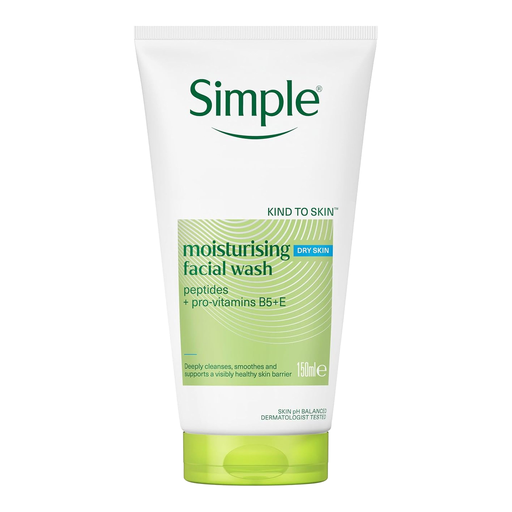
Why This Fits Their Persona: A compact 150ml squeeze tube suits a straightforward morning-and-evening routine and is practical for keeping in a bathroom cabinet or taking on UK trips.
The product information identifies a soap-free, pH-balanced formula without artificial perfume or colourants, helping shoppers avoid relying on fragrance as a sign of freshness.
150ml recyclable squeeze tube; contains glycerin, panthenol and vitamin E according to the listed ingredients.
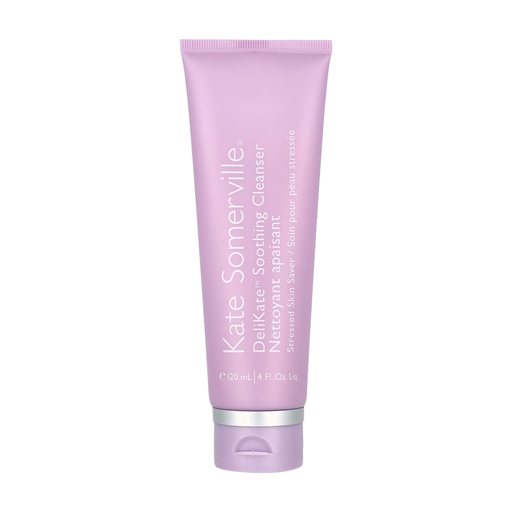
Why This Fits Their Persona: The rich cream format is designed for shoppers who prioritise a comfortable, non-foaming cleanse and want a more considered skincare routine.
It is listed as fragrance-free and sulphate-free, so the formula avoids two commonly checked features for shoppers seeking a gentle wash.
Cream texture; listed ingredients include ceramides, cholesterol, peptides and aloe leaf juice.
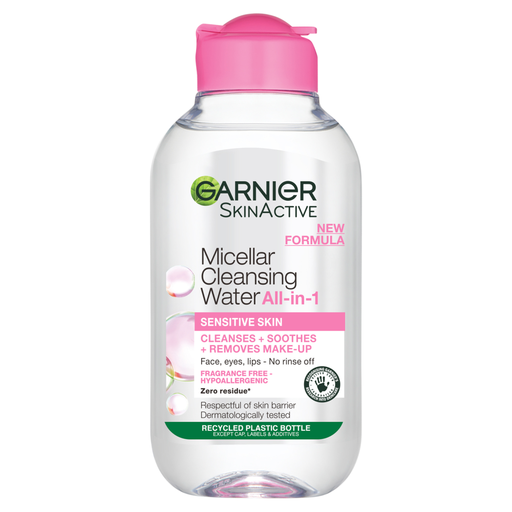
Why This Fits Their Persona: The 100ml format is convenient for a wash bag, gym kit or UK carry-on, particularly when a rinse-free step is useful.
Micellar technology lifts make-up and impurities without requiring repeated scrubbing, while the listed formula is fragrance-free.
No-rinse format; product information states it is suitable for the face, lips and eyes.
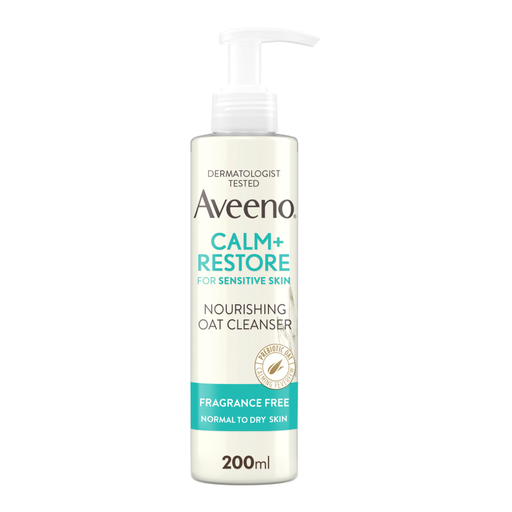
Why This Fits Their Persona: The 200ml bottle and milky gel-cream texture suit regular home use for people who prefer a moisturising face wash over a strongly foaming cleanser.
The product details specify no fragrance, parabens, sulphates, alcohol or dye, giving shoppers clear formulation points to compare.
200ml bottle; listed ingredients include glycerin, oat kernel flour and sodium hyaluronate.
We have compiled a complete, real-time list of products that fully satisfy these strict selection criteria and UK safety regulations.
Many people use a cleanser once in the evening to remove sunscreen, make-up, dirt and excess oil. If your skin is dry or easily irritated, a second daily cleanse may feel unnecessary. Use lukewarm water and avoid rubbing with a flannel or towel.
Choose a cream-to-foam cleanser if you prefer a rinsed, lathering wash and want to remove everyday oil and impurities at the sink. Micellar water is useful for travel, quick make-up removal or situations where rinsing is inconvenient. If residue feels uncomfortable, rinse it away with water.
A 100–150ml cleanser may last several weeks to a few months, depending on how much you dispense and whether you use it once or twice daily. Larger 200–400ml bottles generally reduce replacement frequency. Always follow the packaging guidance for storage and the period-after-opening symbol, and stop using the product if its smell, texture or appearance changes.