
24/7 全天候客户支持

免费退货

当日/次日达

品质保障

开启新人专享福利: 全场免邮 | 低至 2 折 | 免费试用 30 天 JoyPlus 会员
下载 Joybuy
If your face feels tight, hot or uncomfortable after washing, your cleanser may be removing more than dirt and excess oil. People with dry, dehydrated, redness-prone or easily irritated skin often need a gentle facial cleanser for sensitive skin that cleans effectively without leaving the skin feeling stripped.
However, product labels can make comparison difficult. “Natural”, “mild” and “hydrating” do not automatically mean a formula will suit every sensitive complexion. The most useful approach is to assess the cleanser’s texture, surfactants, fragrance profile and intended use before buying.
Botanical ingredients can be pleasant, but natural fragrance components and essential oils may still be unsuitable for reactive skin. Rose, lavender, citrus, geranium and other aromatic extracts deserve closer inspection if your skin is easily triggered.
For a fragrance-sensitive routine, look for a clearly labelled fragrance-free face cleanser and check the current ingredient list on the packaging. Product formulas can change, and the pack should take priority over older online descriptions.
A rich lather can feel satisfying, but a highly degreasing wash may leave dry or barrier-compromised skin uncomfortable. Foaming does not automatically indicate a stronger or weaker product; the overall surfactant system, contact time and how vigorously you massage all matter.
A non-stripping facial cleanser should leave the skin clean without persistent tightness. If you regularly wear heavy SPF or make-up, you may prefer a separate first step rather than repeatedly scrubbing with one cleanser.
A low-pH facial cleanser may be a sensible option for people concerned about comfort and the skin’s natural balance. Nevertheless, pH is only one consideration. Fragrance, preservatives, cleansing agents and your washing technique can also affect how your skin feels.
If your skin is visibly inflamed, cracked or persistently uncomfortable, avoid applying new products to broken skin and consider seeking advice from a qualified healthcare professional.
Match the texture to your skin and routine:
A cream cleanser for sensitive skin or a soothing cleanser for dry skin may be more comfortable in colder weather, when indoor heating and wind can increase dryness.
Commonly used ingredients include glycerin, panthenol, oat derivatives, niacinamide, sodium hyaluronate and ceramides. These ingredients have different functions, so do not judge a product by one ingredient alone.
Ceramides and related lipids are relevant when you are looking for a barrier-supporting cleanser. Humectants such as glycerin can help the skin feel less dry after rinsing. Oat and aloe are included in many soothing formulas, although individual tolerance still varies.
A larger bottle may offer more cleanses, but only if the formula suits you and you use the correct amount. Compare cost per millilitre, pump or cap design, and whether the product can remove make-up or only everyday dirt.
For sensitive skin, use lukewarm rather than hot water, avoid rough flannels and keep facial massage brief. Follow the product’s directions and stop using it if irritation develops. UK cosmetic products should carry relevant safety and ingredient information; always check the packaging for the latest details, shelf-life guidance and warnings.
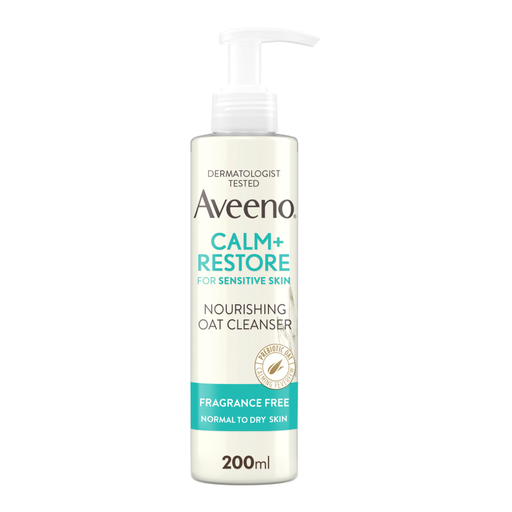
Why This Fits Their Persona: A straightforward 200ml milky gel option for someone building a simple daily face cleanser routine for sensitive skin.
The listed formula is fragrance-free and has a milky gel cream texture, helping avoid the assumption that a foamy wash is necessary for effective daily cleansing.
Contains glycerin, oat and feverfew; the bottle is made with 30% post-consumer recycled material and is recyclable.
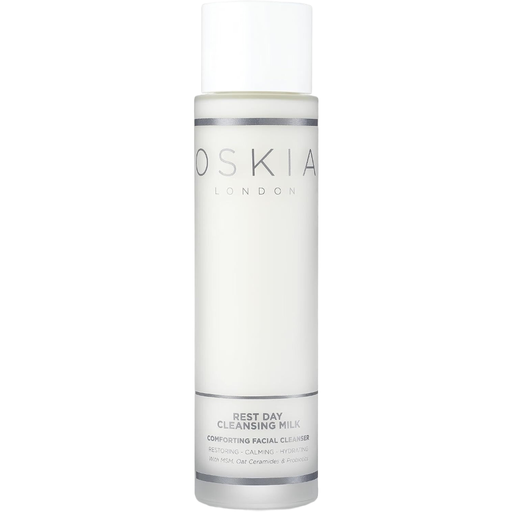
Why This Fits Their Persona: Suitable for shoppers seeking a milk cleanser for dry, sensitive or overworked skin, particularly during colder UK weather.
Its product information identifies it as fragrance-free and designed to remove impurities, SPF and make-up without relying on a strongly foaming texture.
A 150ml cleansing milk with glycerin, oat extract, panthenol, polyglutamic acid and ceramides; the listing also identifies it as vegan.
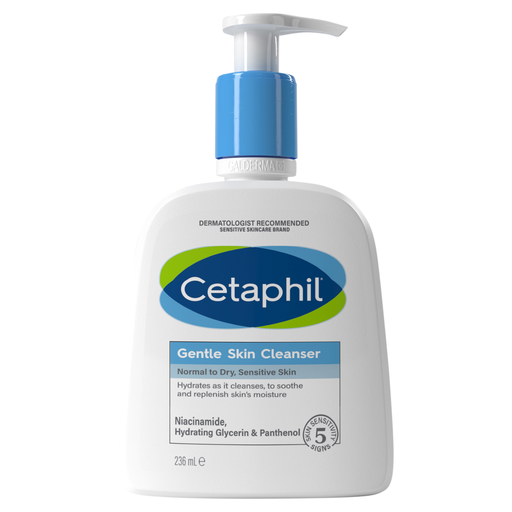
Why This Fits Their Persona: A practical choice for frequent cleansing, gym bags, travel or households wanting a larger non-foaming cleanser for normal-to-dry sensitive skin.
The non-foaming format is designed for gentle cleansing, while the fragrance-free and soap-free description helps shoppers avoid unnecessary fragrance when comparing formulas.
236ml size; can be used with or without water and includes glycerin, panthenol and niacinamide.
We have compiled a complete, real-time list of products that fully satisfy these strict selection criteria and UK safety regulations.
Use once daily at first if your skin is highly reactive. A morning water rinse may be sufficient for some dry skin types, while an evening cleanse is useful for removing SPF, make-up, pollution and excess oil.
No. Fragrance-free reduces one potential trigger, but preservatives, surfactants and botanical ingredients may still affect individual skin. Check the full ingredient list and patch test a small area before applying a new cleanser widely.
A low-pH formula may feel comfortable and can be a useful comparison point, but pH alone does not determine suitability. Look at the entire formula and whether your skin feels tight, itchy or uncomfortable after rinsing.
There is no universal lifespan because usage frequency, bottle size and the product’s period-after-opening guidance vary. Check the open-jar symbol, expiry information and packaging instructions. Store the cleanser as directed and replace it if its smell, colour or texture changes.