
24/7 全天候客户支持

免费退货

当日/次日达

品质保障

开启新人专享福利: 全场免邮 | 低至 2 折 | 免费试用 30 天 JoyPlus 会员
下载 Joybuy
Gift bags can save time when wrapping awkwardly shaped presents, preparing party favours or organising seasonal celebrations. However, choosing by appearance alone can lead to disappointing results. A bag may look attractive online but be too shallow for the present, too delicate for its contents or unsuitable for recycling after use.
This guide explains the practical details UK shoppers should check before buying gift bags, from dimensions and handles to paper quality, pack size and occasion-specific designs.
A listed size does not always indicate how much usable space the bag offers. Width, height and depth all matter. A medium bag measuring 215mm wide, 253mm high and 102mm deep may suit books, candles or beauty gifts, while a large bag measuring 265mm by 330mm by 140mm is more appropriate for clothing, gift sets or several smaller presents.
Check the shape of the gift as well as its measurements. A rigid box may need additional clearance, while soft clothing can fit more easily into a large gift bag.
Reusable gift bags can be a practical alternative to single-use wrapping, but their lifespan depends on how they are handled. Paper bags should be kept away from moisture, excessive weight and open flames. Laminated or reinforced bags may tolerate more handling, but they are still intended for gift presentation rather than transporting heavy shopping.
Look for reinforced bases, sturdy handles and clearly stated materials instead of relying only on words such as “durable” or “premium”.
A single luxury gift bag may be suitable for one carefully presented present, but party organisers often need several matching bags. Check whether the product is sold individually or in packs of four, six or eight.
Paper gift bags may be recyclable, but handles, foil and laminated finishes can require separation depending on local facilities. Always follow the packaging guidance and your local council’s recycling rules.
Use the following guide as a starting point:
Do not fill a bag beyond its practical capacity. Heavy contents can strain the handles or tear the base, even when the bag appears well constructed.
For paper gift bags, check the paper weight and construction where stated. For example, 230gsm linen paper offers a more substantial feel than lightweight wrapping paper, while 210gsm laminated card provides a structured finish for presentation.
FSC-certified gift bags are made using paper from sources covered by Forest Stewardship Council requirements. This describes the sourcing certification; it does not mean the bag can be placed in every household recycling collection without preparation.
Foil, lamination and printed finishes can improve appearance, particularly on Christmas gift bags and birthday gift bags, but may affect how components should be disposed of.
Gift bags with handles are easier to carry, particularly when travelling to a party or visiting family. Grosgrain, satin ribbon and rope handles are common options. Check that the handles are securely attached and that the bag is not being used for excessively heavy items.
Keep gift bags away from fire and flames. Bags with handles, decorative parts or plastic components should not be treated as toys, particularly around young children.
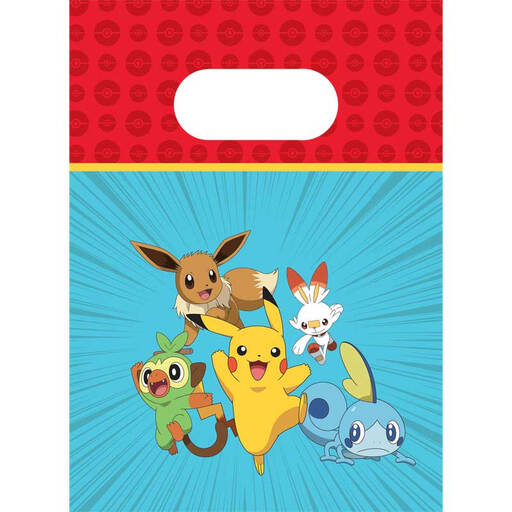
Why This Fits Their Persona: A six-pack gives parents and party organisers several matching bags for birthdays, gaming parties and children’s celebrations without buying individual bags.
The stated pack quantity and approximate 22cm x 16cm size make it easier to plan favours before purchasing.
Six paper bags, printed character designs, easy-carry handles and space for sweets, toys or small party favours.
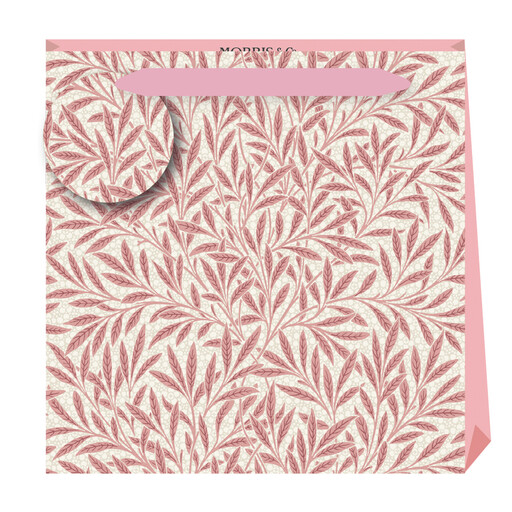
Why This Fits Their Persona: Its patterned presentation suits shoppers who want a more polished finish for birthdays, thank-you gifts or presents that are difficult to wrap.
The 220mm x 220mm x 80mm dimensions help buyers match the bag to the present rather than judge capacity from the print alone.
Morris & Co print, FSC-certified 230gsm linen paper, recyclable construction and a design intended for reuse.
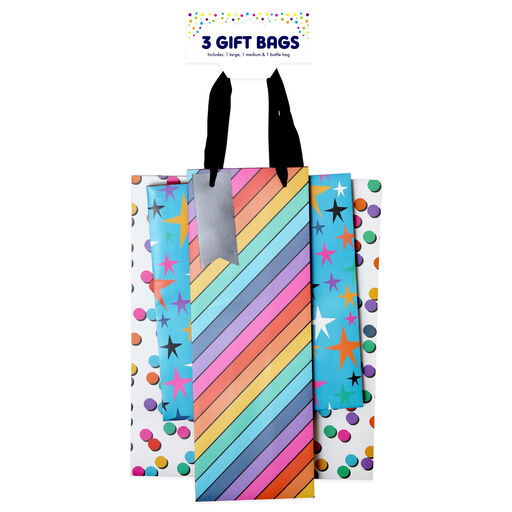
Why This Fits Their Persona: Useful for households that regularly give different types of presents, from bottles and medium boxes to larger clothing or gift sets.
The three clearly listed formats reduce the risk of buying a single size that cannot accommodate future gifts.
Includes large, medium and bottle sizes, with FSC paper, 210gsm laminated card, grosgrain handles and printed tags.
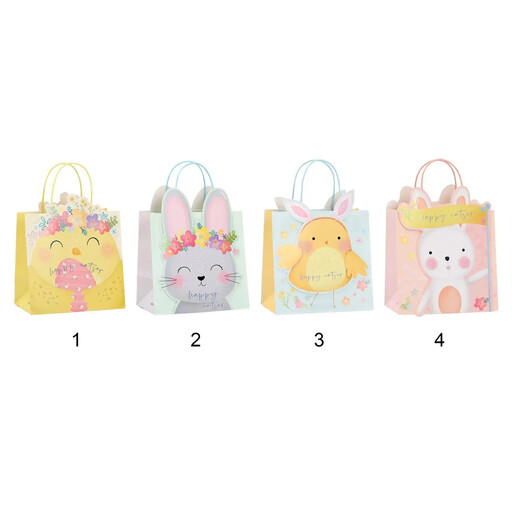
Why This Fits Their Persona: The eight-bag assortment is convenient for Easter egg hunts, classroom activities, family gatherings and spring party favours.
The pack quantity and medium format are stated clearly, making it easier to estimate whether one pack covers the guest list.
Eight assorted medium bags, three-dimensional Easter designs, satin ribbon handles and space for treats or small toys.
Add tissue paper to protect delicate items and improve the presentation without overfilling the bag. A handwritten tag can provide personalised gift presentation, while a ribbon can coordinate plain paper bags with a birthday, Christmas or baby shower colour scheme.
For children’s party bags, avoid including unprotected food, sharp objects or items that are unsuitable for the recipient’s age. If you need matching decorations, choose party bags from the same theme, such as unicorn, space, Peppa Pig or Pokémon designs.
We have compiled a complete, real-time list of products that fully satisfy these strict selection criteria and UK safety regulations.
Measure the gift’s width, height and depth, then choose a bag with extra room for easy placement and tissue paper. Medium gift bags suit books, candles and small presents; large gift bags are more suitable for clothing, boxes and several items together.
Many sturdy paper gift bags can be reused if stored flat and kept dry. Their actual lifespan depends on the paper weight, base construction, handle attachment and how heavily they are loaded. Inspect the base and handles before reusing them.
Plain paper bags may be accepted, but foil, lamination, ribbon handles and other non-paper elements can affect recycling. Remove handles or separate components where local guidance requires it, and check your council’s current recycling rules before disposal.