
24/7 Customer Support

Free returns

Same-day & Next-day Delivery

Quality Guaranteed

Unlock Your Welcome Offers: FREE Delivery | Up to 80% OFF | Free 30-day JoyPlus trial
Download the APP
Choosing gin in the UK is no longer a simple decision between London Dry and flavoured varieties. Shelves now include 70cl gin bottles, miniature gift sets, pink gin, ready-to-drink cans and alcohol-free alternatives. That wider choice is useful, but it also makes it easier to buy a product that does not suit your drinks, dietary preferences or occasion.
This guide from the Joybuy Product Recommendation Officer focuses on the details that matter before you buy, helping you compare gin by alcohol content, flavour, size and intended use.
The words used on the front of a bottle can be misleading if you do not check the product details. A 0.0% gin or non-alcoholic gin alternative should be checked for its stated alcohol percentage and alcohol units.
Some products marketed around a familiar gin serve are still alcoholic. For example, a ready-to-drink gin and tonic listing may contain 5% ABV and 1.25 UK units per 250ml can. That is not the same as an alcohol-free drink.
Always check:
Alcohol-free spirits vary considerably. Some focus on juniper and herbal notes, while others are sweeter or led by citrus and fruit. Ingredients can also differ: one product may contain no listed sweeteners, while another may include sugar or artificial sweeteners.
If you want a classic gin and tonic profile, look for juniper, pine, coriander or herbal notes. For an easier-drinking mocktail, citrus, berry or rhubarb flavours may be more suitable.
A 70cl bottle is practical for a home bar or regular cocktail making, but a 5cl miniature may be more suitable for sampling or gifting. Cans and smaller bottles are convenient for picnics, parties and situations where you do not want to measure ingredients.
Consider how quickly the bottle will be used, whether it needs to be transported and whether you are buying a gin gift or a main bar ingredient.
ABV tells you the percentage of alcohol by volume. UK alcohol units are calculated using the drink’s volume and ABV, so a full-strength 70cl gin can contain considerably more units than a single serve.
For reference, the product information for Masons of Yorkshire Pink Grapefruit & Cucumber Gin lists 42% ABV and 29.4 UK units per 70cl bottle. The product information also repeats the UK Chief Medical Officers’ guidance that adults should not regularly exceed 14 units per week.
For alcohol-free options, check the exact listing rather than relying only on the product name. Gordon’s Alcohol Free Gin 70cl is listed at 0% alcohol and 0 units, while Whitley Neill Rhubarb & Ginger Alcohol Free Spirit is listed at 0.01% by volume with negligible units.
The word “flavoured” does not explain whether a gin is citrus-led, berry-forward, sweet, herbal or spice-heavy. Read the tasting description and ingredient panel together.
Useful indicators include:
Ingredient lists are also important for allergies and dietary requirements. For example, the Kopparberg Strawberry & Lime Alcohol Free drink contains aspartame and a source of phenylalanine. It is therefore worth checking the label if you need to avoid particular sweeteners.
A conventional gin normally requires tonic, soda or cocktail ingredients. A ready-to-drink gin serve is already mixed, so it can be chilled and opened without bar equipment.
Storage instructions differ. Many unopened bottles can be stored at ambient temperature, but Whitley Neill’s alcohol-free spirit should be stored upright, refrigerated after opening and consumed within three months. Always follow the packaging, particularly for alcohol-free products containing botanicals, sweeteners or preservatives.

Why This Fits Their Persona: A full-size bottle for shoppers starting an alcohol-free home bar or looking for a familiar base for a gin and tonic alternative.
The listing states 0% alcohol and 0 units, making the alcohol information clear rather than leaving shoppers to infer it from the branding.
70cl format; listed at 12 kcal per 100ml; described with juniper-led and herbal notes.
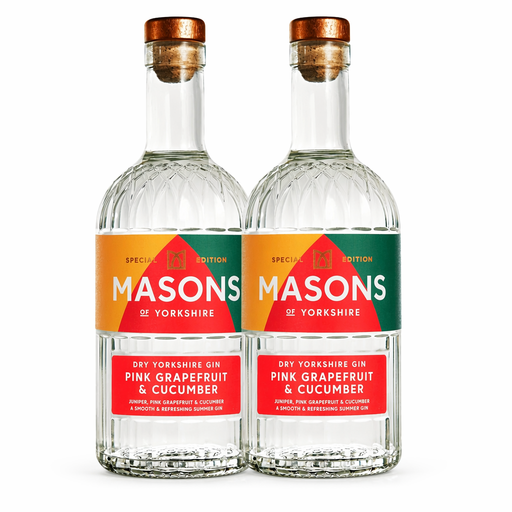
Why This Fits Their Persona: Suitable for shoppers seeking a distinctive British gin profile for a home bar, cocktails or a considered gift.
Its stated flavour pairing is specific: pink grapefruit and cucumber, rather than an unclear generic “premium” description.
42% ABV; 70cl bottles; the listing identifies Masons Distillery in North Yorkshire as the manufacturer.

Why This Fits Their Persona: A practical option for alcohol-free cocktail makers who prefer Seville orange and citrus notes over a purely juniper-led serve.
The listing provides an ingredient panel, nutrition information and a stated 0% alcohol percentage, helping distinguish it from an alcoholic flavoured gin.
70cl size; 3 kcal per 100ml listed; designed for serving with sparkling water, orange or mocktail ingredients.
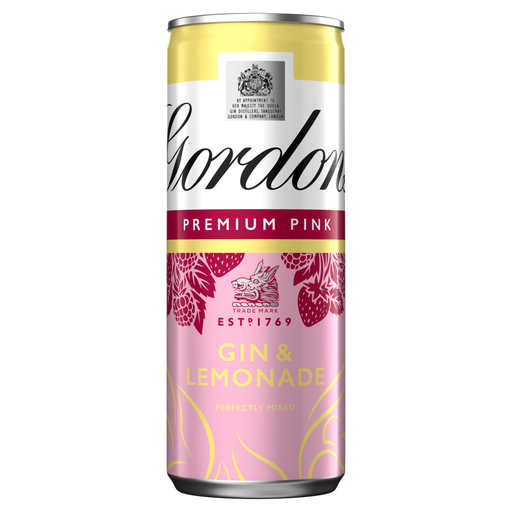
Why This Fits Their Persona: Useful for gatherings, picnics and parties where guests want a chilled, fruit-forward drink without measuring tonic or carrying bar equipment.
The format and ABV are clearly stated: this is a 250ml ready-to-drink serve at 5% vol., not an alcohol-free pink gin.
Pre-mixed 250ml can; strawberry and raspberry flavour notes; listed at 59 kcal per 100ml.
We have compiled a complete, real-time list of products that fully satisfy these strict selection criteria and UK safety regulations.
Match the tonic to the flavour profile. A classic juniper-led gin can work with a plain Indian tonic, while citrus or pink gin may suit a lighter, citrus-style tonic. Start with plenty of ice and adjust the gin-to-tonic ratio to taste. For alcohol-free spirits, sparkling water, tonic and fresh citrus are all practical options.
A conventional gin can remain usable for a long time when tightly sealed and stored away from heat and direct sunlight, although its aroma may gradually become less pronounced. Alcohol-free spirits usually have more specific instructions. Check the label after opening; some require refrigeration and consumption within a stated period.
A 70cl bottle can make a suitable gin gift when the recipient enjoys cocktails or has a home bar. For greater flexibility, consider flavour preferences, ABV and whether the recipient drinks alcohol. A miniature pack can be more appropriate for sampling, while an alcohol-free 70cl bottle may suit someone choosing not to drink alcohol. Always ensure alcohol products are purchased and received by adults aged 18 and over.