
24/7 Customer Support

Free returns

Same-day & Next-day Delivery

Quality Guaranteed

Unlock Your Welcome Offers: FREE Delivery | Up to 80% OFF | Free 30-day JoyPlus trial
Download the APP
Choosing gin can be more complicated than it first appears. Shelves and online listings are filled with London Dry gin, premium gin, botanical gin, pink gin and fruit gin, often using polished descriptions that do not always explain how a bottle will work in your glass.
Whether you are buying gin for cocktails, a simple gin and tonic, entertaining or a gin gift, a few practical checks can prevent disappointing purchases.
A more expensive bottle may offer a distinctive botanical recipe, higher strength or more elaborate packaging, but that does not mean it will suit your preferred serve. A juniper-forward gin may work well in a Martini, while a sweeter strawberry or orange profile may be more suitable for a long drink.
Match the flavour style to how you drink rather than judging by the price alone.
Check the ABV, or alcohol by volume, before buying. Standard gin commonly sits around 37.5% to 43% ABV, while some fruit-led spirit drinks are considerably lower. A pink-coloured bottle is not automatically a full-strength gin, so read the product description and label carefully.
This also affects the number of alcohol units in a bottle. For example, a 70cl bottle at 40% ABV contains approximately 28 UK units, while a 1L bottle at 37.5% ABV contains approximately 37.5 units.
A 1L gin can offer more servings and may be practical for parties or regular drinkers. However, if you only pour occasionally, a 70cl bottle may be easier to finish while its aroma remains fresh. Keep opened gin tightly sealed, upright and away from heat and direct sunlight. Flavour may gradually soften after opening, particularly in bottles containing delicate citrus or fruit notes.
The word “gin” covers several flavour directions:
Look at the listed ingredients and suggested serves rather than relying only on words such as “smooth” or “luxurious”.
The ABV helps you compare bottles fairly. Product strength can influence how a gin performs in cocktails, but a higher percentage does not automatically mean better flavour. It also changes the alcohol units per serving and per bottle.
The UK Chief Medical Officers’ low-risk drinking guideline is not to regularly exceed 14 units per week, spread over three or more days. Alcohol should be avoided during pregnancy, and you should never drink and drive.
A 70cl gin is a sensible format for personal use, sampling a new botanical profile or choosing a gin gift. A 1L bottle can suit a busy home bar, frequent G&T drinkers or gatherings where several serves are expected.
Also check allergens. Some products list almonds, sulphites or cereals, while others state that no allergens are present. Always confirm the current packaging if this is important to you.
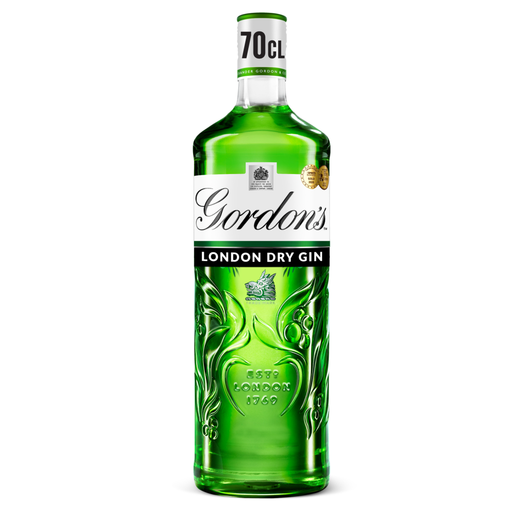
Why This Fits Their Persona: A familiar 70cl format suits shoppers building a first home bar or looking for a straightforward bottle for tonic and everyday mixed serves.
The bottle size limits overbuying, while the listed 37.5% ABV makes its strength clear before purchase.
70cl quantity; 37.5% ABV; suitable for simple home serves.
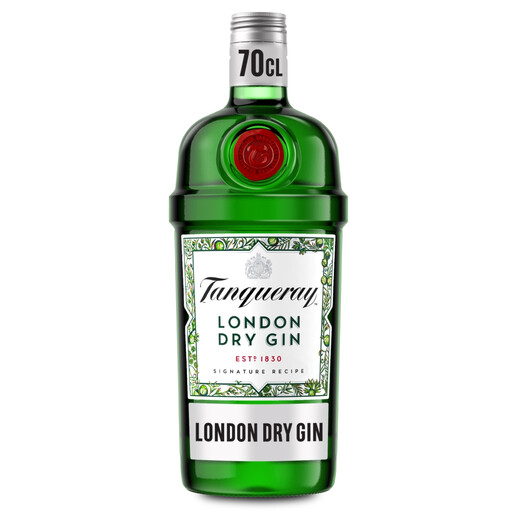
Why This Fits Their Persona: Its 41.3% ABV and classic botanical listing make it suitable for shoppers who want a juniper-led gin for Martinis, Negronis and G&Ts.
The London Dry designation and botanical details provide more useful information than packaging language alone.
41.3% ABV; 70cl bottle; suitable for classic cocktails.
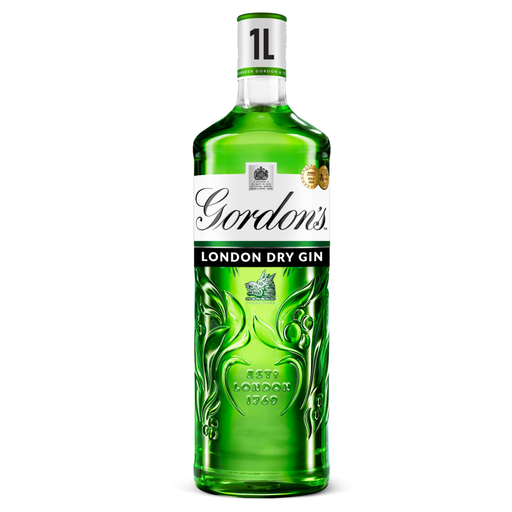
Why This Fits Their Persona: The 1L format is practical for hosts, frequent G&T drinkers and home-bar owners who need more servings.
The clearly stated 1L quantity helps buyers compare value by volume instead of judging only by bottle appearance.
1L quantity; 37.5% ABV; suited to high-volume entertaining.
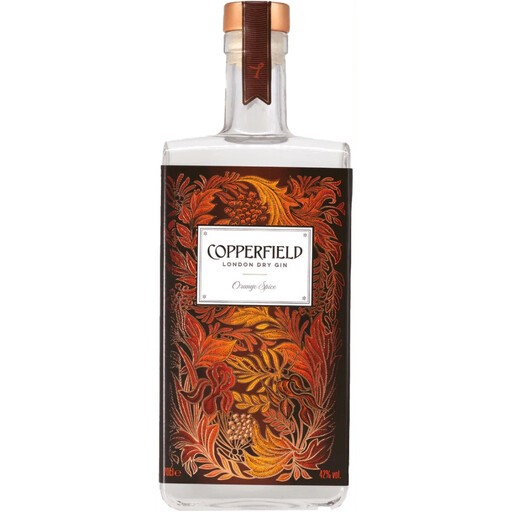
Why This Fits Their Persona: Grapefruit, blood orange, lemon and warming spice notes give cocktail makers a more expressive base for G&Ts, Negronis and Martinis.
The ingredient list identifies citrus and spice flavourings, making the advertised flavour direction easier to assess.
40% ABV; 70cl bottle; citrus-and-spice profile for mixed drinks.
We have compiled a complete, real-time list of products that fully satisfy these strict selection criteria and UK safety regulations.
Start with 50ml gin and 150ml tonic water over plenty of ice, then adjust to taste. A citrus gin may suit an orange or grapefruit garnish, while a classic London Dry gin can be paired with lemon, lime or a simple strip of citrus peel.
Store the bottle upright, tightly sealed and away from sunlight and heat. Room-temperature storage is generally practical. Refrigeration is optional, although chilling can make a fruit-led serve more refreshing. Follow any storage directions printed on the label.
Choose 70cl when trying a new flavour, buying a gin gift or drinking occasionally. Choose 1L when you regularly serve guests or want a larger home-bar staple. Compare both the price per bottle and the ABV before deciding.