
24/7 Customer Support

Free returns

Same-day & Next-day Delivery

Quality Guaranteed

Unlock Your Welcome Offers: FREE Delivery | Up to 80% OFF | Free 30-day JoyPlus trial
Download the APP
As a Joybuy Product Recommendation Officer, my role is to help you navigate the crowded shelves of spirits. The world of gin liqueur is particularly vibrant, but it's also filled with marketing noise that can lead to disappointing purchases. Many of us have been tempted by a beautifully designed bottle, only to find the contents overly sweet or lacking in genuine flavour.
Before you add another bottle to your basket, let's look at the common pitfalls that catch out even savvy shoppers and how to sidestep them.
To make a confident choice, focus on these three core parameters. They are the true indicators of quality and will help you find a versatile bottle for sipping, gifting or making a delicious liqueur for cocktails.
The foundation of any good gin liqueur is the gin itself. Look for descriptions that mention the base spirit. More importantly, check how the flavour is achieved. Phrases like "infused with," "macerated with real fruit," or "distilled with" suggest that natural ingredients were used. A fruit liqueur made with real produce will have a more complex and authentic taste compared to one made with artificial essences. This is especially true for popular profiles like rhubarb and ginger gin or strawberry gin liqueur.
A well-crafted liqueur should balance sweetness with other flavour elements, such as the tartness of fruit, the warmth of spice or the botanical notes of the gin. The goal is a harmonious taste, not an overpowering sugar rush. The sugar content is what legally defines it as a liqueur, but the best examples use that sweetness to enhance the natural flavours, not to hide a lack of them.
Understanding the ABV is crucial for knowing how to use your liqueur.
Instead of a generic list, we've matched some excellent options to different needs and occasions.
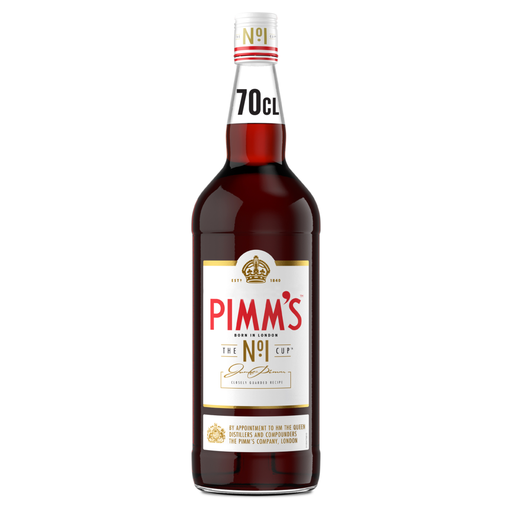
Why This Fits Their Persona: This is the quintessential British summer drink for a reason. It's designed for easy, large-batch mixing, making it perfect for garden parties and barbecues. No complex cocktail knowledge is needed—just add lemonade and fruit for a guaranteed crowd-pleaser.
It sidesteps the "artisanal" price trap by offering a well-known, reliable product with a heritage dating back to 1840. Its flavour is complex and balanced, not artificially sweet.
Its 25% ABV and secret recipe of botanicals and caramelised orange make it incredibly versatile and refreshing. A true icon for social gatherings.
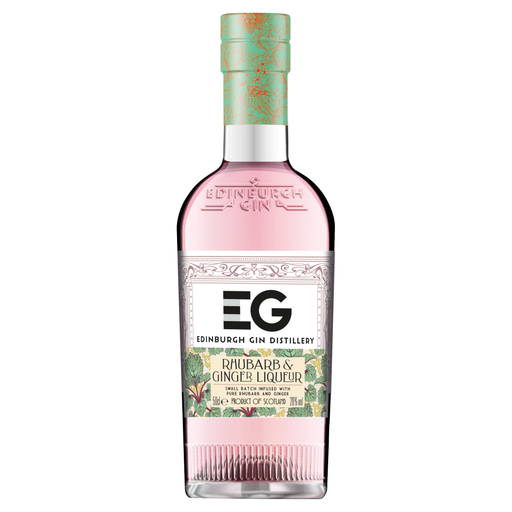
Why This Fits Their Persona: For those who appreciate authentic, bold flavours. This liqueur delivers a genuine taste of tart rhubarb and warming ginger, making it a fantastic addition to a G&T, a glass of fizz or simply served over ice.
It avoids the artificial flavour trap by using "tangy spring crop rhubarb, macerated with warming oriental ginger." This process extracts genuine flavour, creating a balanced and aromatic liqueur.
The 20% ABV is perfect for a lighter spritz, and the natural infusion process results in a delicate rose colour and a flavour that is both sweet and spicy.
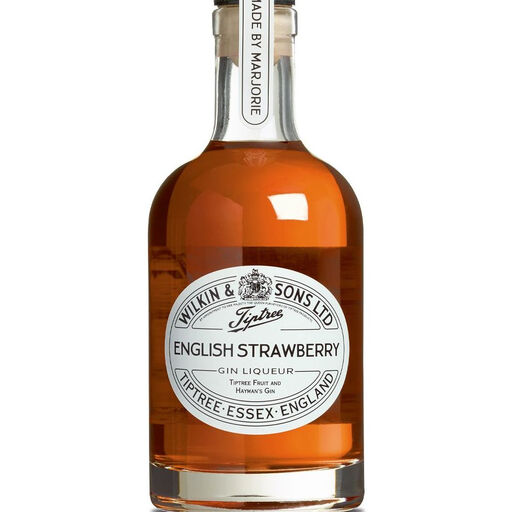
Why This Fits Their Persona: When looking for thoughtful alcoholic gifts, a product with a story stands out. Tiptree's heritage of growing fruit on their Essex farm since the 1800s provides a narrative of quality and authenticity that makes for a great present.
This liqueur is based on the brand's "signature crop" of hand-picked strawberries, ensuring a genuine fruit flavour that avoids the cloying sweetness of artificial alternatives.
The higher 28% ABV gives it more presence, making it excellent for a "Strawberry Royale" with Prosecco or in a fruity spritzer. The clean strawberry notes are bright and authentic.
We have compiled a complete, real-time list of products that fully satisfy these strict selection criteria and UK safety regulations.
The main differences are alcohol content and sweetness. To be called "gin" in the UK, a spirit must have at least 37.5% ABV and is typically not sweetened. A gin liqueur is a gin-based spirit with added sugar, and its ABV is usually lower, often between 15% and 30%. This makes it smoother and sweeter, designed for sipping or mixing.
For most gin liqueurs, storing them in a cool, dark place like a cupboard is sufficient. This helps preserve their flavour and colour. Some liqueurs made with natural fruit infusions may state on the label that their colour can change over time or with exposure to sunlight, which is a normal process and doesn't affect the taste. Once opened, ensure the cap is sealed tightly.
A fruit liqueur is incredibly versatile. For a simple, refreshing serve, try mixing it with: