
24/7 Customer Support

Free returns

Same-day & Next-day Delivery

Quality Guaranteed

Unlock Your Welcome Offers: FREE Delivery | Up to 80% OFF | Free 30-day JoyPlus trial
Download the APP
Choosing ginger beer is not simply a matter of picking the most colourful label. UK shoppers may be comparing Jamaican ginger beer, Caribbean ginger beer, Australian bottles, premium mixers, multipacks and alcoholic versions, all with noticeably different flavour profiles and serving purposes.
The main challenge is separating useful product information from vague marketing language. Before buying, check three areas: the strength of the ginger flavour, the actual serving format and whether the drink is alcoholic or non-alcoholic.
Although both are carbonated ginger drinks, they are not interchangeable in flavour. Ginger ale is usually lighter, sweeter and more delicate, making it suitable for simple refreshment or gentle mixing. Ginger beer generally has a more noticeable spicy or fiery ginger character.
For example, a product such as Canada Dry Ginger Ale Mini is designed as a lighter sparkling drink, while Jamaican and Caribbean ginger beer options tend to offer a stronger ginger-led taste. Always read the product description and ingredients rather than relying on the word “ginger” alone.
A ginger beer multipack can be practical for barbecues, parties and regular household use, but a 24-pack may be unnecessary if you only want a few cans for a picnic or cocktail evening. Conversely, small packs can cost more per serving and leave you short during a family gathering.
Compare the total volume, not just the number of bottles or cans. A 12-pack of 600ml bottles contains 7.2 litres, whereas a 24-pack of 330ml cans contains 7.92 litres.
Flavour descriptions do not replace label information. Sugar levels vary considerably between products, and some drinks contain sweeteners or preservatives. Old Jamaica Ginger Beer, for instance, lists barley malt among its allergens, while other options may list no known allergens.
Alcoholic ginger beer must be treated differently from soft drinks. Check the ABV, alcohol units and age restrictions before purchasing. Diddly Squat Alcoholic Ginger Beer is listed at 2.2% ABV and contains barley, so it is not suitable for children or anyone avoiding gluten-containing cereals.
Look for descriptions such as ginger root, ginger extract or natural ginger flavouring, but remember that an ingredient list does not measure how spicy the final drink will taste. If you prefer a bold Caribbean-style drink, consider products that specifically identify ginger as a prominent flavour.
Also check for sweeteners, added colours and preservatives if these are important to your preferences. Nutritional information is particularly useful when comparing similar-looking products.
The most common formats include:
Cans are compact and easy to chill, while bottles may be more convenient for sharing. Carbonated drinks should be stored in a cool, dry place and protected from freezing or excessive heat.
A non-alcoholic ginger beer should not be assumed to have the same flavour as an alcoholic ginger beer. For an alcoholic product, check the ABV, units per container, allergen declaration and age restriction. UK shoppers should also follow responsible drinking guidance and the product’s storage instructions.
For soft drinks, compare sugar and calorie information per 100ml as well as per can or bottle. This makes it easier to compare a 330ml can with a 600ml bottle fairly.
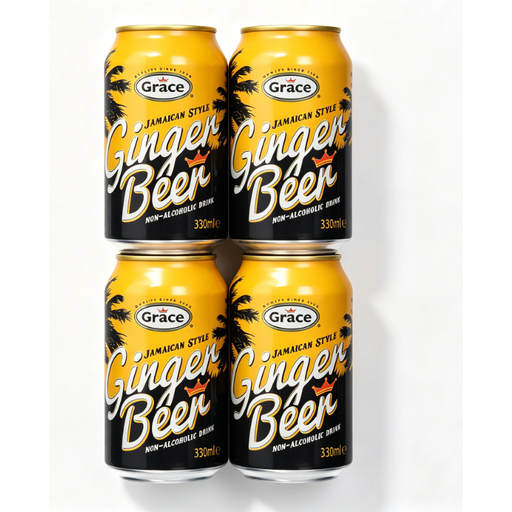
Why This Fits Their Persona: A four-can format gives first-time buyers a manageable way to try a Caribbean-style, non-alcoholic ginger beer without committing to a large case.
The 330ml cans make portion and total spend easier to control, while the listing clearly identifies it as non-alcoholic.
330ml cans; listed ingredients include ginger root; suitable for drinking chilled or using as a mixer.
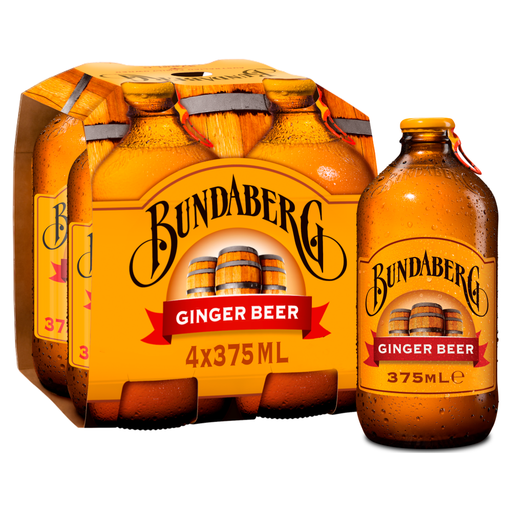
Why This Fits Their Persona: The 375ml glass bottles suit shoppers looking for a more substantial serve and a distinctive Australian-style ginger drink for relaxed home occasions.
The listing provides a defined bottle size, ingredients and nutrition details rather than relying only on premium-style wording.
375ml bottles; listed 0.0% ABV; contains ginger root and cane sugar; designed for serving chilled.
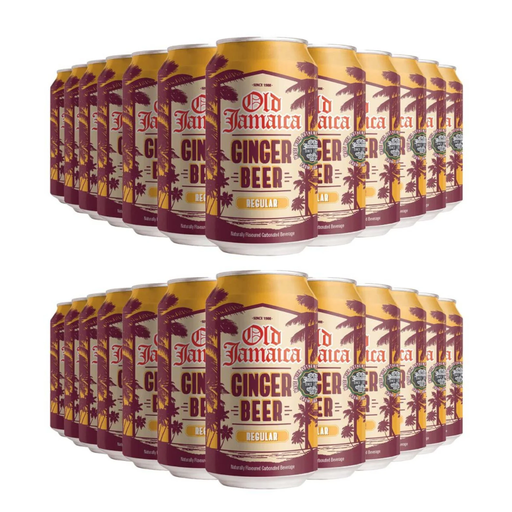
Why This Fits Their Persona: A 24-can case is suited to frequent drinkers, parties, Caribbean-themed events and cocktail hosts who need several individual servings.
The case quantity is clearly stated, reducing the risk of under-ordering for larger gatherings or paying repeatedly for small packs.
24 x 330ml cans; root ginger extract is listed; suitable for chilled serving and cocktail mixing.
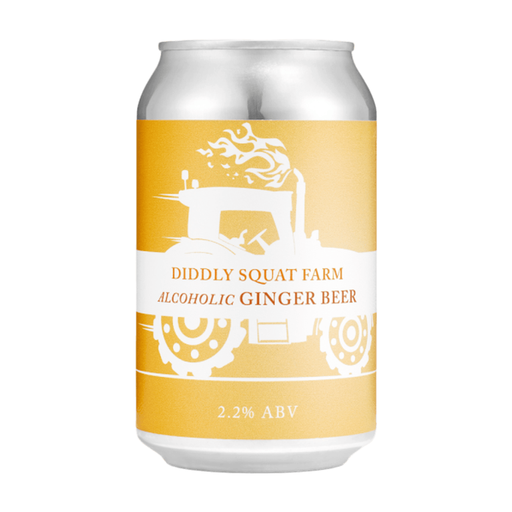
Why This Fits Their Persona: This option is for adults who specifically want an alcoholic ginger beer rather than a soft drink or standard mixer.
The product clearly states 2.2% ABV, approximately 0.73 units per 330ml can and its barley allergen information.
330ml can; 2.2% ABV; contains a beer base with ginger flavourings; intended for adults aged 18 and over.
We have compiled a complete, real-time list of products that fully satisfy these strict selection criteria and UK safety regulations.
Most products sold as ginger beer in soft-drink sections are non-alcoholic, but this should always be confirmed on the label. Alcoholic ginger beer displays an ABV and may have age restrictions. Do not rely on the product name alone.
No. Ginger ale is commonly lighter and sweeter, while ginger beer often has a more pronounced ginger taste. The difference is not absolute, so check the ingredients and flavour description before ordering.
Keep unopened cans and bottles in a cool, dry place away from direct sunlight and heat. Chill before serving. After opening, reseal bottles where possible and refrigerate them; consume promptly because carbonation fades. Never freeze carbonated containers, as pressure and expansion may cause damage.