Dark-chocolate ginger snackers
If you want both flavours in one biscuit, decide whether the amount of coating or the chocolate’s stated cocoa-solids minimum matters more to you. The two percentages describe different things.


Choose a dark-chocolate ginger biscuit if you want chocolate with the ginger; choose a plain ginger biscuit if you want a crunchy, ginger-led snack without chocolate. For dark varieties, compare the cocoa-solids minimum in the chocolate separately from the proportion of the biscuit that is chocolate, then check portion information and allergens on the pack.
If you want both flavours in one biscuit, decide whether the amount of coating or the chocolate’s stated cocoa-solids minimum matters more to you. The two percentages describe different things.
If chocolate is optional, a plain ginger biscuit keeps the choice focused on the biscuit format. Check the product name rather than assuming every ginger biscuit has a coating.
If others will be eating from the pack, check the size of each biscuit and read the current ingredient and precautionary-allergen statements before serving it.
Start with the biscuit format, then compare chocolate labels and nutrition using the same measurement basis.
| Priority | What to check | Your needs |
|---|---|---|
| Chocolate label | Read the chocolate percentage of the whole biscuit and the separate minimum cocoa-solids percentage in that chocolate. Tesco Groceries lists 40% chocolate and a 54% cocoa-solids minimum for its Finest ginger cookies; Waitrose & Partners lists 60% and 51% respectively for its No.1 ginger thins. | I want ginger with dark chocolate, but I need to know whether a percentage describes the coating or the chocolate itself. Neither figure alone tells me how the biscuit will taste. |
| Biscuit format | Check whether the pack contains plain ginger biscuits, chocolate-coated biscuits, thin biscuits or stem-ginger cookies. Tesco Groceries lists crystallised stem ginger in its Finest cookies; McVitie’s describes its Ginger Nuts as a plain ginger-biscuit option. | For a crunchy biscuit without chocolate, I would choose a plain ginger option. If I want chocolate or pieces of stem ginger, I would check for those features on the particular pack. |
| Portions and nutrition | Use the per-biscuit figures to assess individual pieces and the per-100g figures to compare different sizes. A thin and a larger coated biscuit should not be treated as equal-sized servings. | I want to know what each biscuit contributes before putting out a few for TV night, without assuming that a dark-chocolate label says anything about its sugar content. |
| Allergens | Read the delivered pack’s ingredients and precautionary statements, including any references to wheat, milk, soya, nuts or peanuts that matter to your guests. Check the particular product, not just its brand. | When I’m sharing biscuits, I need the current pack label to match each guest’s requirements before I serve them. |
A biscuit can contain a substantial proportion of chocolate without that number stating how much cocoa is in the chocolate. The two percentages have different denominators.
Read both the chocolate proportion in the ingredients and its separate minimum cocoa-solids statement.
Per-biscuit nutrition describes the piece in that pack; it does not make a thin and a larger coated biscuit equal-sized portions.
Use per-piece information when deciding how many to serve, and per-100g information for a consistent-weight comparison.
The coating does not tell you everything about the biscuit’s ingredients or possible cross-contact warnings.
Read the ingredient and precautionary-allergen statements on the specific pack before sharing it.
These examples illustrate different biscuit formats and label figures; they do not describe every product made by each brand.
Finest Dark Chocolate Ginger Cookies are a stem-ginger cookie option rather than plain ginger nuts.
Its No.1 ginger thins and its eight-pack of coated ginger biscuits offer different piece formats.
Outrageously Chocolatey Dark Chocolate & Ginger Biscuits are a coated ginger-biscuit option.
Taste the Difference Dark Chocolate & Ginger Cookies are a stem-ginger cookie alternative.
Dark Chocolate Ginger Biscuits provide another coated ginger-biscuit format.
Ginger Nuts are a plain ginger-biscuit reference when chocolate is not part of the choice.
Its own-label Ginger Nuts are another plain ginger-biscuit option.
These options include dark-chocolate ginger biscuits and a plain ginger biscuit for the no-chocolate route. Check the individual pack when cocoa content, ingredients or allergens affect your choice.
 No image available
A dark-chocolate ginger-biscuit option for serving alongside other TV-night snacks. If the chocolate’s cocoa-solids minimum matters to you, check the pack before choosing; also check its egg and nut precautionary statements when sharing.
 No image available
A dark-chocolate ginger-oatie option rather than a traditional plain ginger nut. Check the cocoa-solids figure if it guides your choice, and read the pack’s maltitol, excessive-consumption and precautionary nut statements before serving.
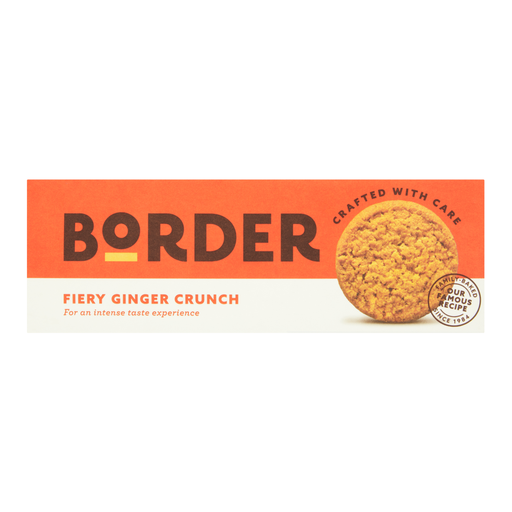 No image available
A plain ginger-biscuit choice when you do not want a chocolate coating. Check the pack’s precautionary statements for eggs, nuts, soya and milk if you are sharing it.
No. Waitrose & Partners lists chocolate as 60% of its No.1 ginger thins, while stating that the chocolate contains at least 51% cocoa solids. The first figure describes the biscuit; the second describes its chocolate.
Follow the purchased pack’s storage instructions. The cited McVitie’s and coated-biscuit information advises cool, dry storage and an airtight container after opening.
Check the delivered product and its allergen label before serving it, then contact the seller about the mismatch. GOV.UK’s guidance on refunds says a product that is faulty or not as described must be refunded; that is distinct from simply changing your mind about a correctly supplied product.
No. A biscuit’s name or coating alone does not establish its individual regulatory classification. For a snack at home, compare the nutrition and ingredients on the specific pack rather than treating a general category label as a product assessment.