Dark-chocolate tea drinkers
If you want chocolate with the ginger, compare the cocoa-solids figure for the chocolate separately from how much chocolate makes up the biscuit. Neither figure alone tells you how it will taste with your tea.


Choose a plain ginger nut if ginger crunch without chocolate is what you want with tea; choose a dark chocolate ginger biscuit if the coating is part of the appeal. If cocoa strength matters, compare the minimum cocoa solids stated for the chocolate, not the chocolate’s share of the whole biscuit. For a short hotel stay, also consider pack format, storage after opening and the ingredients on the pack you receive.
If you want chocolate with the ginger, compare the cocoa-solids figure for the chocolate separately from how much chocolate makes up the biscuit. Neither figure alone tells you how it will taste with your tea.
A plain ginger nut or ginger snap keeps the choice focused on the biscuit rather than a coating. McVitie’s describes its Ginger Nuts as crunchy and suitable for dunking; that is the maker’s description, not a test of every plain biscuit.
A stated biscuit count can help you choose a pack for one or several tea breaks. If you expect leftovers, check the particular pack’s storage instructions and whether any multipack portions are separately sealed.
Choose when: You want a ginger biscuit without a chocolate coating, especially if a familiar dunking-style biscuit is the point of the tea break.
Trade-off: This route will not meet a preference for dark chocolate; check the particular pack’s ingredients for any dietary requirement.
Choose when: You want chocolate and ginger together rather than the texture of a traditional plain ginger nut.
Trade-off: A coated cookie or thin is a different format, and its cocoa-solids figure does not establish how it will taste or behave when dunked.
Once you have chosen a plain or coated biscuit, use the exact pack details to narrow the format for your stay.
| Priority | What to check | Your needs |
|---|---|---|
| Chocolate strength | Find the minimum cocoa solids in the chocolate on the exact product. Read any percentage showing chocolate as an ingredient separately; it measures a different thing. | I want to compare the stated cocoa content of the coating, rather than choosing solely because the packet says ‘dark’. |
| Biscuit format | Check whether it is a plain ginger nut or snap, a coated cookie, a thin or a bar. Treat a maker’s dunking description as a description of that product, not a result for all formats. | For tea, ginger crunch matters more to me than chocolate—or I would rather have a coated ginger biscuit alongside the cup. |
| Pack and storage | Compare the stated biscuit count or pack weight. For a multipack, inspect the packaging if separate seals matter; follow its instructions once opened. | I may only use part of the pack during a short stay, so I need a practical way to keep the remainder. |
| Ingredients | Read the current pack’s ingredient list, highlighted allergens and any precautionary statements. Do not infer suitability for an allergy from ‘dark’ or ‘plain’. | Before I pack or eat the biscuits, I need to check the ingredients against my own requirements. |
Waitrose & Partners lists dark chocolate as 78% of its eight-biscuit product, while the chocolate itself has 49% minimum cocoa solids. Those percentages have different denominators.
Look for both figures on the exact biscuit if coating quantity and stated cocoa strength each matter to you.
McVitie’s plain Ginger Nuts and Tesco Finest’s chocolate-coated ginger cookies are different formats. A description of one does not establish the other’s texture in tea.
Decide whether a plain ginger biscuit or a chocolate coating is your first requirement before comparing individual packs.
A dark chocolate description does not establish whether the biscuit contains milk or other allergens. For example, Tesco Finest’s listed cookies contain butter.
Check the ingredient list and precautionary allergen information on the pack you receive, including any recipe changes.
These named products illustrate different biscuit formats; a brand’s inclusion does not mean every biscuit it makes has the same recipe.
Its Ginger Nuts are a reference for the plain-biscuit route, not a dark chocolate variant.
Its dark chocolate ginger cookies are a coated alternative to plain ginger nuts.
Its plain Ginger Snaps and Taste the Difference dark chocolate ginger cookies serve different preferences.
Its 300g Ginger Nuts listing is another plain ginger-biscuit reference.
Its dark chocolate ginger biscuits use an oat-based biscuit rather than a traditional plain ginger nut.
Its No.1 ginger thins and separate eight-biscuit dark chocolate product offer distinct formats.
Its listed dark chocolate ginger biscuits and six-bar multipack offer biscuit and bar formats.
Its boxed dark chocolate ginger biscuits provide another stated cocoa-solids figure to compare.
These options include dark chocolate ginger biscuits and a ginger-crunch biscuit. Compare their pack details with what you want beside your tea; the selection is not a taste or dunking ranking.
 No image available
A dark chocolate ginger-biscuit option for tea in a 150g pack. If a particular cocoa-solids minimum or allergen detail determines your choice, check the current pack.
 No image available
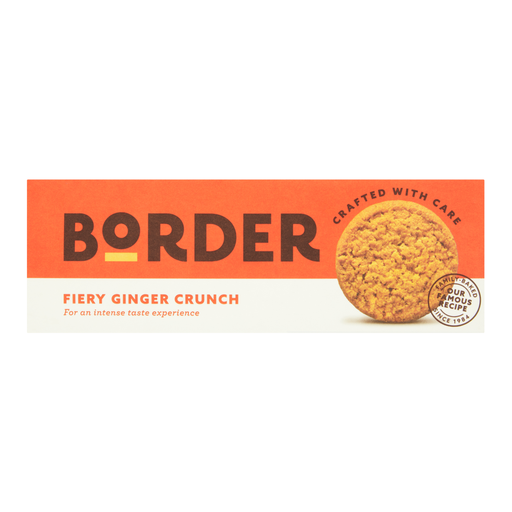
A ginger-crunch option in a 135g pack if you are considering a biscuit without dark chocolate. Check the pack’s ingredient list rather than assuming it meets a particular dietary requirement.
 No image available
A dark chocolate ginger oatie in a 285g pack. If cocoa strength is decisive, check the chocolate’s stated minimum cocoa solids on the current pack; read its ingredients and any consumption warning before choosing it.
No. Waitrose & Partners lists dark chocolate as 78% of its eight-biscuit product, while that chocolate has 49% minimum cocoa solids. One figure describes the chocolate’s share of the biscuit; the other describes the chocolate itself.
No. Tesco Groceries lists butter in its Tesco Finest dark chocolate ginger cookies, while the referenced Border biscuit listing includes milk ingredients. Check the current pack’s ingredients and precautionary allergen information for the exact product.
Choose the plain or coated format you want first, then compare the stated count or pack weight with the number of tea breaks you expect. If you will open the pack during your stay, follow its storage instructions; Asda, for example, advises keeping its Ginger Nuts in an airtight container after opening.