What should you check before choosing?
Start with how often the biscuit will be served and the amount your child would eat; then check the exact recipe, texture and destination of the snack.
| Priority |
What to check |
Your needs |
| Sugars and portion |
Read sugars per biscuit alongside that biscuit’s weight and the amount you intend to serve. Use per-100 g figures to compare differently sized recipes on the same weight basis. Tesco lists 2.6 g sugars per 10 g plain biscuit; Waitrose lists 9.9 g per biscuit for its eight-pack of dark-chocolate ginger biscuits. |
I’m choosing between a routine snack and an occasional biscuit, and I want to compare the amount my child would actually eat. NHS snack guidance suggests fruit or chopped vegetables instead of biscuits for an everyday option. |
| Ingredients and allergens |
Read the current pack’s ingredient list and any “may contain” statements. Check the precise variety: Waitrose lists a nut warning for its No.1 dark-chocolate ginger thins and both nut and peanut warnings for its eight-pack of dark-chocolate ginger biscuits. |
If my child has a relevant allergy, I need information for this pack, not an assumption based on the words “ginger nuts” or a different biscuit in the range. |
| Texture |
Consider the biscuit’s size, shape and firmness against the child’s chewing ability. The NHS advises considering these features when preparing food for young children and supervising them while they eat. |
A crunchy biscuit might be difficult for my toddler to manage. I’ll assess the individual product and have them seated and supervised while eating. |
| Nursery or school |
Ask the setting about snacks brought from home and its allergy arrangements. For covered food provided by schools in England, Department for Education school-food standards exclude chocolate-coated products; that does not establish a rule for every packed snack or every UK nation. |
Before I pack a biscuit, I need to know whether this particular nursery or school accepts it. |
Relevant brand and retailer examples
These named products illustrate why a plain ginger nut, a coated cookie and a smaller chocolate-coated thin need separate label checks; a brand name alone does not describe every recipe in its range.
McVitie’s
McVitie’s describes its Ginger Nuts as a crunchy plain ginger biscuit, rather than a chocolate-coated variety.
- McVitie’s declares 2.9 g sugars per 10.1 g biscuit.
- The recipe lists wheat. The brand’s description of crunch does not establish suitability for an individual toddler.
Tesco
Tesco Ginger Nut Biscuits are a plain-biscuit example with a stated serving weight.
- Tesco declares 2.6 g sugars per 10 g biscuit.
- The recipe lists wheat; check the current pack because ingredients and allergen details can change.
Sainsbury’s
Its Taste the Difference dark-chocolate and ginger cookie is a coated cookie, not the same formulation as a plain ginger nut.
- Sainsbury’s declares 10.1 g sugars per cookie for this product.
- The listing says it is unsuitable for people with a nut allergy because of its manufacturing methods.
Asda
Asda Ginger Nuts provide another plain-biscuit label to consider.
- Asda declares 2.4 g sugars per biscuit for this product.
- Its allergen information lists wheat. Check the pack rather than applying this recipe to other Asda ginger biscuits.
M&S
Its dark-chocolate ginger biscuit has a different base and ingredient list from a plain ginger nut.
- M&S lists 42.1 g sugars per 100 g for this chocolate-coated product.
- The product listing carries a peanut-allergy warning; check the precise pack for all relevant allergen information.
Waitrose
Waitrose lists both an eight-pack of dark-chocolate ginger biscuits and smaller No.1 dark-chocolate ginger thins. Their per-biscuit figures describe different servings.
- Waitrose declares 9.9 g sugars per biscuit for the eight-pack and 4.6 g per smaller No.1 thin.
- The eight-pack lists possible peanut and nut presence; the thins carry a nut warning. Check which pack you have.
Joybuy product options
These options span a gingerbread snack labelled for ages 12+ months, chocolate-coated ginger biscuits and an uncoated ginger crunch. They are different products, not interchangeable versions of a plain ginger nut.
 No image available
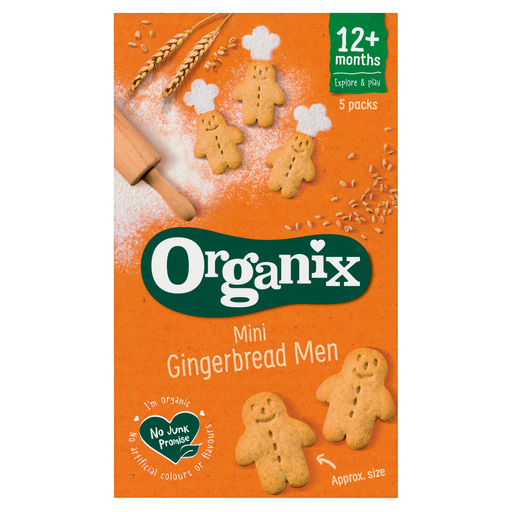
Organix Mini Gingerbread Men, 12+ months, 5 x 20g
A gingerbread option labelled for ages 12+ months, rather than a plain ginger nut or chocolate-coated biscuit. The selection information flags wheat and a “may contain nuts” warning; check the current pack against your child’s allergies and the setting’s policy before packing it.
View on Joybuy
 No image available
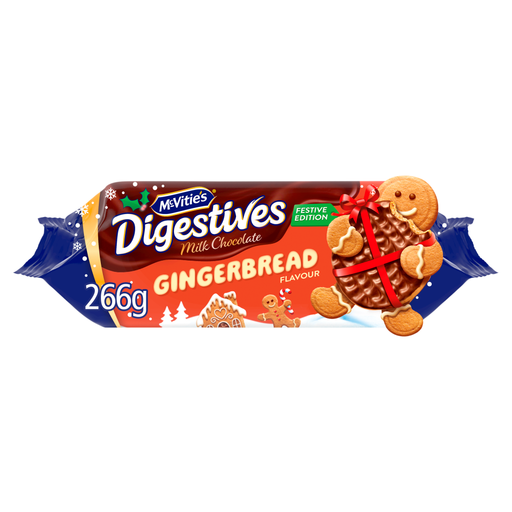
McVitie’s Gingerbread Chocolate Digestives 266g
A chocolate-coated gingerbread-flavoured Digestive for someone considering an occasional biscuit, not a plain ginger nut. Check the sugars for the amount served and the current pack’s allergens. Department for Education standards exclude chocolate-coated products from covered food provided by schools in England.
View on Joybuy
 No image available
Border Biscuits Dark Chocolate Gingers 150g
A dark-chocolate ginger biscuit whose product information cautions that its spicy flavour may not suit young children. The selection information also flags a “may contain nuts” warning. Check the current pack, the intended portion and whether your child can manage its texture.
View on Joybuy
 No image available
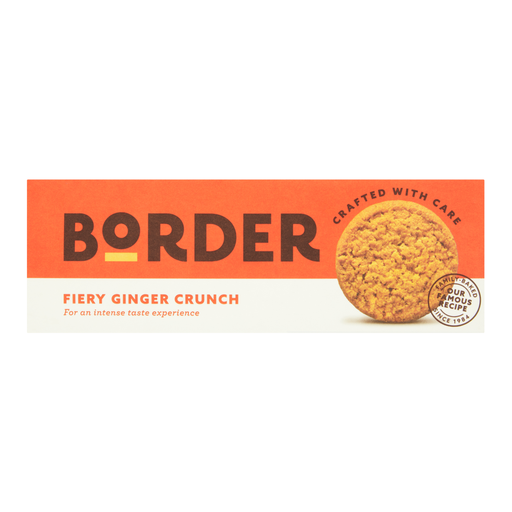
Border Biscuits Fiery Ginger Crunch 135g
An uncoated ginger crunch rather than a chocolate-coated biscuit. For a toddler, consider its flavour and crunchy texture before serving. The selection information flags a “may contain nuts” warning; check the current pack and any nursery or school snack policy.
View on Joybuy
Questions about toddler snack time
Does “ginger nuts” mean the biscuits contain nuts?
No: the name is not an ingredient or allergen declaration. The plain McVitie’s and Tesco recipes described here do not list nuts as ingredients, while particular chocolate-coated products carry nut warnings. Read the current pack for the individual child.
Does breaking up a crunchy biscuit make it suitable for a toddler?
Breaking it up does not establish that the pieces are suitable for every child. NHS advice is to consider the child’s chewing ability and the food’s size, shape and texture, and to keep young children seated and supervised while eating.
What if the packet and an online listing disagree about allergens?
Use the current pack rather than an older online description to assess its ingredients and warnings. Recipes and allergen information can change; if a relevant warning is unclear, ask the manufacturer or retailer before offering the biscuit.
Can a school provide chocolate-coated ginger biscuits?
The Department for Education’s school-food standards exclude chocolate-coated products from covered food provided by schools in England. That rule does not, on its own, decide a particular setting’s policy on snacks brought from home or establish rules for every UK nation; ask the setting before packing one.
How should an opened packet be stored?
Follow the instructions on the pack you have. Tesco and Waitrose specify cool, dry storage and an airtight container after opening for the products described here; check the pack’s best-before date too.


