Bite-size snack shoppers
Small ginger-flavoured biscuits suit a break with a morning drink, provided gingerbread is an acceptable alternative to a classic ginger nut.


Choose bite-sized gingerbread if the size of each biscuit matters, or separately packed mini ginger biscuits if you want one pack to carry. If you prefer a classic ginger nut, a regular pack lets you choose how many to take; compare the serving label and ingredients, because ‘mini’ alone tells you neither the serving size nor the recipe.
Small ginger-flavoured biscuits suit a break with a morning drink, provided gingerbread is an acceptable alternative to a classic ginger nut.
A separate snack pack is useful when you want to carry a defined serving. Check the pack size and allergens: small biscuits are not necessarily packed separately.
If the familiar ginger-nut style matters more than miniature pieces, you can choose how many biscuits to take from a regular pack.
Decide whether you need small biscuits, a separate pack or a regular biscuit to portion yourself. Then compare labels for the amount you intend to take.
| Priority | What to check | Your needs |
|---|---|---|
| Biscuit and pack size | Check whether ‘mini’ describes each biscuit or a separate snack pack. M&S lists mini gingerbread in a 100 g bag; McVitie’s Mini Gingerbread Men are listed as six 19 g packs. | I want small biscuits with my drink, or I need one sealed pack to take on my break. Those are different reasons to choose a mini product. |
| Serving and sugar | Compare nutrition per 100 g for differently sized biscuits, then check the labelled biscuit or pack serving against the quantity you plan to take. Tesco lists 5.8 g sugars per 19 g pack of McVitie’s Mini Gingerbread Men; its McVitie’s Ginger Nuts listing gives 2.9 g per 10.1 g biscuit. | For my break, the amount I take matters more than whether an individual biscuit looks small. |
| Biscuit style | Check the exact product name and ingredients. Mini gingerbread, ginger snaps and conventional ginger nuts are not interchangeable recipes. | I may prefer a classic ginger nut over gingerbread, even if the gingerbread pieces are smaller. |
| Allergens and storage | Read the exact pack’s ingredients and may-contain statement. If portioning from a regular pack over several breaks, follow its instructions for storage after opening. | I need to check ingredients that matter to me and keep an opened pack as its label directs. |
A 100 g bag of M&S mini gingerbread biscuits and McVitie’s six separate 19 g mini packs meet different carrying and portioning needs.
Check whether ‘mini’ describes the biscuits, the pack arrangement or both.
Labels for mini packs and regular biscuits can use different serving bases. The total for your break depends on how much you take, not just the size of one biscuit.
Compare per-100 g figures for the products, then use their labelled servings to work out the quantity you intend to eat.
In England, Schedule 4 of The Requirements for School Food Regulations 2014, published on legislation.gov.uk, says biscuits must not be provided as food outside a school lunch where those school-food rules apply. This concerns school provision, not a privately purchased snack.
For a school-provided mid-morning break in England, check the applicable school-food rules rather than relying on the product’s packaging.
These product-line examples help distinguish mini gingerbread, separate snack packs and regular ginger biscuits; a brand name alone does not establish the format.
Its Ginger Nuts and Mini Gingerbread Men are distinct products.
Its all-butter mini gingerbread biscuits are listed in a 100 g bag.
Its own-label Ginger Nut Biscuits offer a regular pack to portion yourself.
Its Ginger Snaps are a regular-pack ginger-flavoured alternative.
Its own-label Ginger Nuts are listed as a regular 300 g pack.
Essential Ginger Nuts provide another regular-pack option to portion at home.
These options include separately packed mini gingerbread biscuits and regular packs of other ginger-flavoured biscuit styles. The regular options are not classic ginger nuts.
 No image available
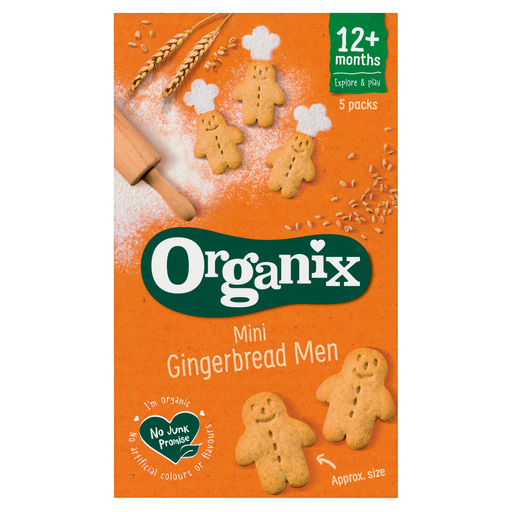
Five individual 20 g bags provide a separate pack to carry for a break. These are mini gingerbread men marketed for ages 12 months and over, not classic ginger nuts; the product information warns they may contain milk and nuts.
 No image available
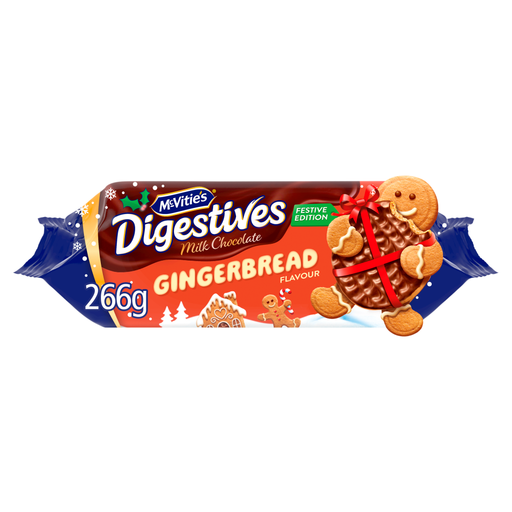
A regular pack lets you choose biscuits for a break rather than take a separately packed serving. This is a gingerbread-flavoured chocolate digestive, not a mini biscuit or a classic ginger nut.
 No image available
This 150 g pack is an option if you want to choose your own quantity of dark chocolate ginger biscuits. It is not a mini format; use the per-100 g nutrition label when comparing it with biscuits sold in different serving sizes.
 No image available
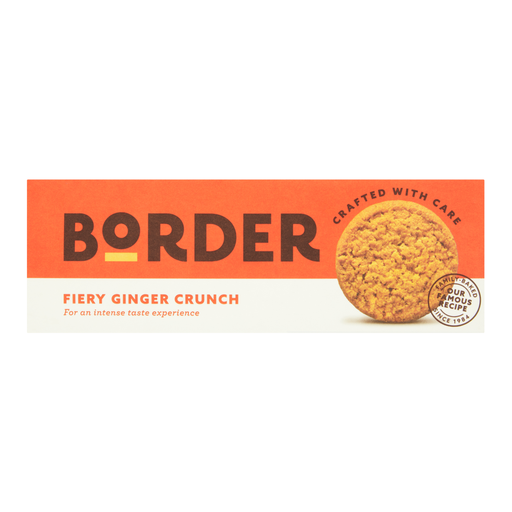
This 135 g regular pack suits choosing your own number of ginger biscuits for a break. It is not a mini or separately packed option; compare its per-100 g nutrition with your intended quantity.
 No image available
This 285 g pack is for portioning ginger oatie biscuits yourself, rather than carrying a mini snack pack. It is not a classic ginger nut; check the per-100 g nutrition against the amount you plan to take. The product description warns that excessive consumption may produce a laxative effect.
Not necessarily. M&S lists an all-butter mini gingerbread biscuit, McVitie’s sells Mini Gingerbread Men as mini ginger biscuits, and its Ginger Nuts have a separate product listing. Check the exact pack’s ingredients and serving information rather than treating the names as interchangeable.
Follow the instructions on the pack you buy. The Tesco listings for McVitie’s Ginger Nuts and Tesco Ginger Nut Biscuits direct shoppers to store opened biscuits in an airtight container.
Where the English school-food rules apply, Schedule 4 of The Requirements for School Food Regulations 2014 says biscuits must not be provided as food outside a school lunch. This is about covered school provision, not a blanket UK rule for privately purchased snacks. The Department for Education’s September 2026 guidance says proposed updated standards from September 2027 are subject to Parliamentary approval.
No. The Department of Health and Social Care describes the current nutrient profiling model as classifying foods by nutritional composition, so a product name alone does not establish its classification. Its January 2026 publication says the updated 2018 model had not yet been applied to policy.