Hosts serving guests with different dietary needs
A standard wheat-based ginger nut and a biscuit labelled gluten free are not interchangeable. Check what each guest needs to avoid before putting biscuits out to share.


For coffee with friends, a standard ginger nut is an option when guests can eat wheat; for someone who needs a gluten-free biscuit, choose one explicitly labelled gluten free and check its other allergen statements. Do not serve ginger nuts as an indigestion remedy: NHS advice on indigestion recommends cutting down on coffee and avoiding spicy foods, so offer another biscuit and drink for guests who know these are triggers.
A standard wheat-based ginger nut and a biscuit labelled gluten free are not interchangeable. Check what each guest needs to avoid before putting biscuits out to share.
NHS advice on indigestion recommends cutting down on coffee and avoiding spicy foods. A ginger biscuit is a snack, not a way to manage symptoms; leave guests free to choose another biscuit or drink.
Read the exact pack, including ingredients and any precautionary allergen statements. A gluten-free label does not tell you whether a biscuit also contains soya or milk, or carries a nut warning.
Start with guests’ dietary requirements, then compare the biscuit and portion you plan to serve. Keep an alternative available rather than assuming ginger suits everyone.
| Priority | What to check | Your needs |
|---|---|---|
| Indigestion triggers | Ask whether coffee or spicy foods are known triggers. NHS indigestion advice recommends cutting down on coffee and avoiding spicy foods; ginger nuts are not a remedy. | I would like guests to have a biscuit and drink they can choose without relying on ginger to settle indigestion. |
| Gluten and allergens | Match the exact pack label to the guest’s requirements. Tesco Groceries labels Tesco Free From Ginger Nuts gluten, wheat, milk and egg free, but lists soya flour; other gluten-free biscuits can carry different warnings. | For a guest avoiding gluten or a particular allergen, I need to check the full ingredients and any ‘may contain’ wording, not just the front-of-pack claim. |
| Portion information | Compare nutrition for the portion actually stated on each pack. Tesco Groceries lists 44 kcal and 2.6 g sugars per 10 g Tesco Ginger Nut, and 47 kcal and 2.9 g sugars per 10.1 g McVitie’s Ginger Nut. | If I put out several biscuits per person, per-biscuit figures help me understand what that serving contains. |
| Biscuit type | Check whether the product is a standard ginger nut, a stem-ginger biscuit or an oat-and-ginger alternative. Read its wheat ingredients or gluten-free wording rather than assuming products with ginger in the name have the same recipe. | I want a familiar ginger biscuit for sharing, but I would choose a separately labelled alternative when a guest’s dietary requirement calls for one. |
A ginger nut is a sweet biscuit, not an indigestion treatment. NHS advice on indigestion recommends cutting down on coffee and avoiding spicy foods, which may matter more to a guest than the biscuit’s ginger flavour.
Offer ginger nuts as an optional snack, with another biscuit and drink available.
Recipes differ: Tesco Free From Ginger Nuts list soya flour, while M&S Made Without Wheat Stem Ginger Snaps contain butter (milk) and are stated to be unsuitable for people with nut or peanut allergy.
Check the current pack against the guest’s specific restriction, including any precautionary statements.
Retailer labels give different per-biscuit figures. Tesco Groceries lists 44 kcal and 2.6 g sugars for a Tesco Ginger Nut; Waitrose & Partners lists 90 kcal and 7.6 g sugars for a larger Free From Gluten Stem Ginger Cookie.
Compare the stated serving and nutrition values before deciding how many to put out.
The biscuit you serve needs to match the guest’s dietary requirements, including any ingredient or ‘may contain’ statement on its packaging.
Read the pack immediately before serving, particularly for an allergy or a gluten-free requirement.
These examples show why the exact biscuit matters: a brand can offer a standard wheat-based product, a free-from product or both.
McVitie’s Ginger Nuts are a standard ginger-biscuit option for a coffee table where wheat is acceptable.
Tesco has a standard Ginger Nuts product and a separate Free From Ginger Nuts product with different ingredient requirements.
Sainsbury’s Ginger Snaps are a conventional ginger-biscuit option rather than a gluten-free alternative.
Asda Ginger Nuts are another standard option for guests who can eat wheat.
M&S Made Without Wheat Stem Ginger Snaps offer a gluten-free stem-ginger biscuit, not a standard ginger nut.
Waitrose Free From Gluten Stem Ginger Cookies are a gluten-free cookie option with crystallised ginger.
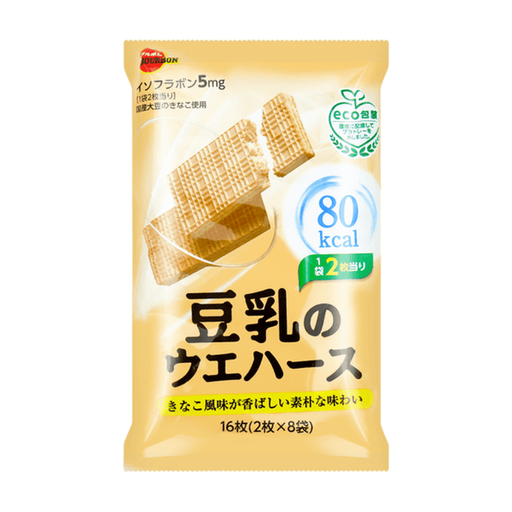
The Joybuy option below is a soy milk wafer, not a ginger nut. Consider it only if a different biscuit suits your coffee table, and check its pack against guests’ dietary requirements.
 No image available
A wafer option if you want to serve a biscuit other than ginger nuts with coffee. The pack is 112.8 g; check its ingredients, allergen statements and portion information before sharing.
Do not rely on ginger nuts to manage indigestion. NHS advice on indigestion recommends cutting down on coffee and avoiding spicy foods; if either is a known trigger for a guest, offer another drink or snack.
The standard Tesco and McVitie’s Ginger Nuts listed by Tesco Groceries contain wheat, as do the Sainsbury’s Ginger Snaps and Asda Ginger Nuts listed by those retailers. For a gluten-free requirement, choose a product explicitly labelled gluten free and check its current pack.
No. Tesco Free From Ginger Nuts list soya flour; Waitrose & Partners says Nairn’s Gluten Free Oat & Ginger Biscuit Breaks may contain milk and nuts; and M&S Made Without Wheat Stem Ginger Snaps contain milk and are stated to be unsuitable for people with nut or peanut allergy. Match the exact pack to the guest’s requirements.
Read the current pack’s full ingredients and any precautionary allergen statement, then check that the specific product meets the guest’s needs. A front-of-pack ‘free from’ claim covers the allergens it names, not every possible allergen.