Christmas party hosts
Decide whether guests would welcome a ginger-flavoured biscuit, a separate plain digestive, or both. Pack weights and stated biscuit counts can help you plan how many packs to buy.


Choose ginger nuts for a ginger-flavoured biscuit and plain digestives for a non-ginger alternative; offering both gives guests a choice without treating the two as interchangeable. Check pack size when planning quantities, and use each biscuit’s current ingredient and allergen label to decide whether it suits a particular guest.
Decide whether guests would welcome a ginger-flavoured biscuit, a separate plain digestive, or both. Pack weights and stated biscuit counts can help you plan how many packs to buy.
Check the exact pack against each guest’s requirements before serving it. A gluten-free label does not establish suitability for someone avoiding another ingredient, and biscuits should be kept separate where cross-contact matters.
Choose the biscuit styles you want to offer, then check the particular packs for dietary suitability and quantity.
| Priority | What to check | Your needs |
|---|---|---|
| Biscuit style | Look for a ginger biscuit if ginger flavour is the point. A plain digestive is a separate, non-ginger choice; a chocolate-ginger or gingerbread-flavoured biscuit is another variation, not a substitute for either classic style. | I want guests who prefer ginger and those who prefer a plain biscuit to be able to tell their options apart. |
| Ingredients and allergens | Read the current ingredient list and allergen statements for each pack. The checked ordinary ginger nuts contain wheat; Tesco’s separately labelled gluten-free ginger nuts list soya flour. | If a guest avoids particular ingredients, I need a biscuit that meets their requirements, not just a reassuring category name. |
| Pack quantity | Compare pack weight and any approximate biscuit count, allowing for guests taking more than one. The checked McVitie’s 250 g pack lists about 25 biscuits; Waitrose lists about 30 in its 300 g pack. | How many biscuits should I set out, and will I want to keep an opened pack afterwards? |
| Nutrition comparison | Compare the same measure on both labels, such as sugars per 100 g. Tesco lists 25.5 g per 100 g for its ordinary ginger nuts and 38.2 g per 100 g for its free-from ginger nuts; the two are distinct products. | I would check the nutrition panel rather than assume a free-from biscuit has less sugar. |
A plain digestive offers a different flavour and does not fulfil a request for ginger biscuits.
Choose a named ginger biscuit for that preference; add plain digestives as a deliberate second option if you want both.
Tesco’s checked gluten-free ginger nuts list soya flour. Their sugar figure per 100 g is also higher than that of Tesco’s checked ordinary ginger nuts, so a free-from label should not be read as a nutrition comparison.
Check the full current label against the guest’s requirements and compare nutrition figures on the same basis if they matter to your choice.
Pack weights and approximate biscuit counts differ, and guests may take more than one.
Estimate the number you plan to serve, then use the chosen pack’s count or weight. Follow its directions for storing any opened biscuits.
These examples describe particular biscuits, not every product a brand makes.
McVitie’s describes its Ginger Nuts as a crunchy biscuit with a fiery ginger flavour.
Tesco lists an ordinary 300 g ginger-nut pack and a separately labelled 180 g gluten-free version.
Essential Ginger Nuts are listed as a 300 g ordinary ginger-biscuit option.
The checked M&S products include plain digestives, ginger snaps and a separate chocolate-ginger biscuit.
These options include a plain digestive, ginger biscuits and flavoured variations. A gingerbread sandwich biscuit is a different style again, so choose by the biscuit guests actually want rather than treating every ginger-flavoured pack as a ginger nut.
 No image available
A plain digestive option for guests who do not want a ginger-flavoured biscuit. The 400 g pack contains wheat and may contain milk and soya; check the label for dietary requirements. Its product information warns that excessive consumption may have a laxative effect.
 No image available
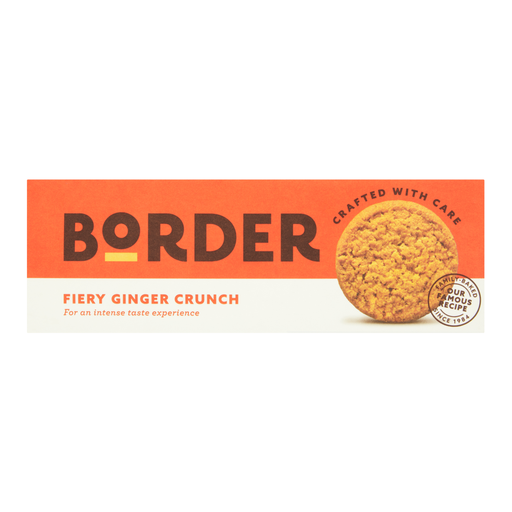
A ginger-biscuit choice in a 135 g pack. Its listed allergen information includes wheat and possible traces of egg, nuts, soya and milk; check the current pack before serving. Confirm the biscuit details on the product page before ordering.
 No image available
A dark-chocolate and ginger variation rather than a plain ginger nut. The 150 g product lists wheat, milk and soya, with possible traces of egg and nuts; check its label against guests’ requirements.
 No image available
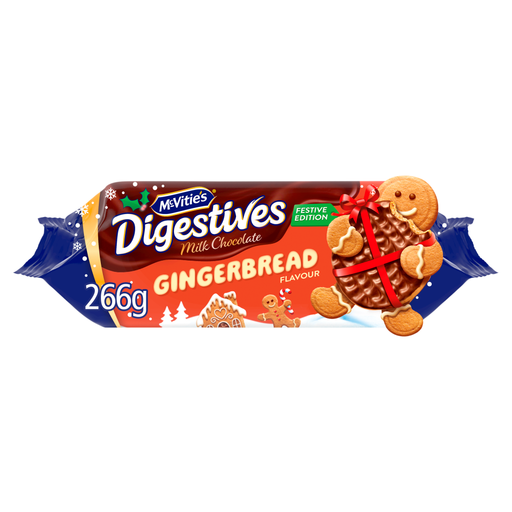
A gingerbread-flavoured, milk-chocolate digestive rather than a plain digestive or classic ginger nut. The 266 g product lists wheat, milk and soya; check the pack before offering it to guests with dietary restrictions.
 No image available
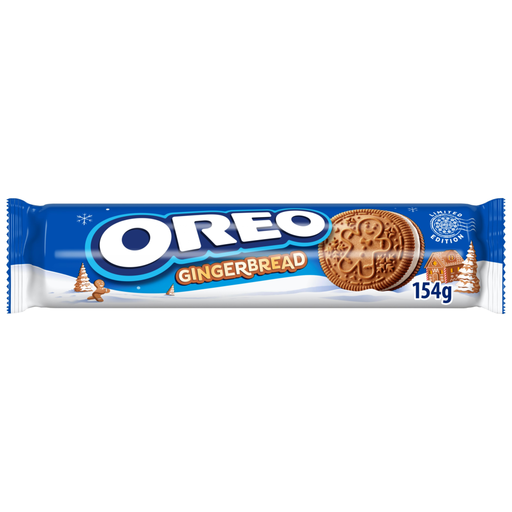
A gingerbread-flavoured sandwich biscuit with vanilla-flavour filling, not a ginger nut or plain digestive. The 154 g product lists wheat and soya and may contain milk; check the current label before serving.
No. The checked Tesco and McVitie’s ginger nuts are sold as ginger biscuits, while the checked M&S plain digestive is a separate, non-ginger product. Offer both if you want guests to have those two choices.
No. Tesco’s checked gluten-free ginger nuts list soya flour. Ask about the guest’s particular restrictions, read the current pack and keep its allergen information available when serving.
Follow the chosen pack’s storage directions. The checked Tesco and McVitie’s ginger-nut packs advise an airtight container after opening; Waitrose also recommends consuming its Essential Ginger Nuts within seven days for best quality.
The setting matters: the Department for Education’s school-food guidance addresses food provided in covered state-funded school settings in England, not every Christmas party. If the biscuits are for a school-provided event, establish which rules apply to that event before choosing what to serve; a biscuit’s name or nutrition panel alone does not establish its regulatory classification.