Holiday tea-break planners
If you want a ginger-flavoured biscuit to share, decide whether a crunchy ginger nut or a wheatmeal digestive suits the occasion. Check how the pack should be stored once opened.


Choose a ginger nut for a crunchy ginger biscuit, or an original digestive if you prefer a wheatmeal biscuit without ginger. For a holiday pack, compare serving information and storage instructions; if someone needs gluten-free food, look for an explicitly labelled gluten-free option and check the current pack for other allergens.
The useful starting point is whether you are choosing for flavour, sharing or a guest’s dietary requirements.
If you want a ginger-flavoured biscuit to share, decide whether a crunchy ginger nut or a wheatmeal digestive suits the occasion. Check how the pack should be stored once opened.
Choose a biscuit explicitly labelled gluten free, then read its current ingredients and precautionary statements for any other allergies that matter to the person eating it.
Use pack quantity, biscuit size and nutrition information together. Similarly named ginger biscuits can have different recipes and serving sizes.
Choose the biscuit style first, then compare the particular packs for dietary fit, portions and storage.
Choose when: You want the crunchy ginger-biscuit style rather than an original wheatmeal digestive.
Bear in mind: The conventional ginger biscuits in the checked McVitie’s, Tesco, Sainsbury’s, Asda and Waitrose listings contain wheat; their ginger flavour has not been compared in a taste test.
Choose when: You prefer the wheatmeal style of McVitie’s Original Digestives to a ginger biscuit.
Bear in mind: The checked Original Digestives contain wheat; the name does not establish a digestive-health benefit.
Choose when: A guest needs a gluten-free ginger biscuit and the current pack meets their specific requirements.
Bear in mind: Gluten free does not mean free from every allergen. Ocado lists milk in M&S Made Without Stem Ginger Snaps and gives nut and peanut warnings.
| Priority | What to check | Your needs |
|---|---|---|
| Biscuit style | Read the product description and ingredients for ginger or wheatmeal. Compare the actual varieties rather than relying on the word “digestive”. | I’m choosing between a ginger-flavoured biscuit and the wheatmeal style of an original digestive. |
| Allergens | Look for an explicit gluten-free label if needed. Check the current ingredients and precautionary statements for each relevant allergen. | A guest needs a biscuit that fits their particular dietary requirements; a ginger name or free-from label alone does not answer every allergy question. |
| Portions and sugar | Compare sugar per 100g when assessing different recipes, then use per-biscuit figures and biscuit weights to plan portions. Check the pack quantity for sharing. | For a group, I want to know how many biscuits to bring without assuming that each brand’s biscuit is the same size. |
| Storage | Follow the pack’s cool, dry storage instructions and its directions after opening. Check any product-specific recommendation for how soon to eat an opened pack. | If the pack will be opened during a trip, I need a way to store the remaining biscuits as its label directs. |
Tesco Groceries describes the checked McVitie’s Ginger Nuts as ginger biscuits and its Original Digestives as wheatmeal biscuits. Neither product name establishes a digestive-health benefit.
Choose by the biscuit style and ingredients you want, not by an assumed effect of the word “digestive”.
The checked gluten-free ginger products have different ingredients. Ocado lists milk in M&S Made Without Stem Ginger Snaps and gives nut and peanut warnings.
Read the current pack for each person’s relevant allergens before serving.
The checked product listings give different biscuit weights, so per-biscuit sugar figures are not a like-for-like recipe comparison.
Compare per-100g nutrition first, then use the per-biscuit information to plan what you will serve.
These product lines illustrate different biscuit styles and labels; check the particular pack rather than applying one variety’s details to a whole brand.
Tesco Groceries lists McVitie’s Ginger Nuts 250g separately from Original Digestives 360g.
Tesco Groceries lists conventional Ginger Nuts 300g and a distinct Free From Ginger Nuts 180g.
Its Ginger Snaps 300g offer a conventional ginger-biscuit style.
Asda lists Ginger Nuts in both 300g and 250g packs.
Ocado lists conventional M&S Ginger Snaps and a separate Made Without Stem Ginger Snaps product.
Waitrose lists Essential Ginger Nuts 300g as a conventional option.
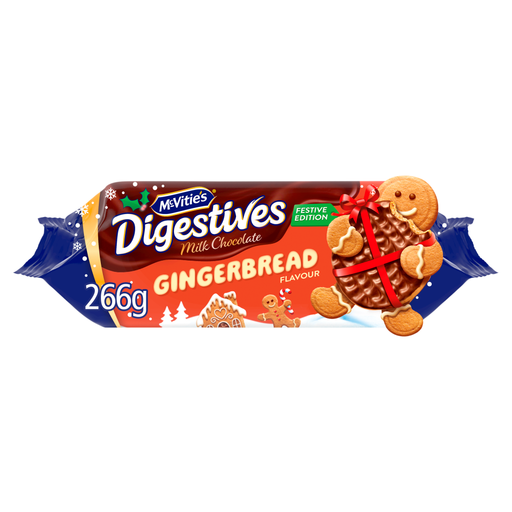
These Joybuy options include a gingerbread chocolate digestive and two other ginger-style biscuits. They are not interchangeable with a plain ginger nut or an original digestive, so choose the particular style you want.
 No image available
Consider this if you want a gingerbread chocolate digestive rather than a plain ginger nut or Original Digestive. The pack is 266g; check its current ingredients and storage directions before sharing it with guests.
 No image available
This 150g pack is a dark-chocolate ginger-biscuit option, not a plain ginger nut. Check the current pack for allergens and serving information if you are comparing it with other biscuits for a group.
 No image available
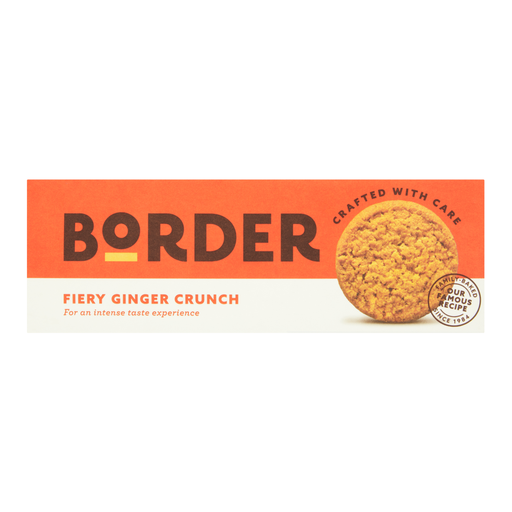
Consider this 135g ginger-style biscuit if you want an alternative to a chocolate-coated variety. The name is not a measured comparison of ginger intensity; check the pack’s ingredients, allergens and portions for your plans.
The checked McVitie’s products are separately described by Tesco Groceries as ginger biscuits and wheatmeal Original Digestives. Choose the style by its description and ingredients; neither name establishes a digestive-health benefit.
No. Check the current pack’s ingredients and precautionary wording for the allergy concerned. For example, Ocado lists nut and peanut warnings on M&S Made Without Stem Ginger Snaps.
Follow that pack’s storage directions. The checked conventional ginger-biscuit listings call for cool, dry storage and an airtight container after opening; Waitrose also recommends consuming its Essential Ginger Nuts within seven days of opening for best quality.
Read the current ingredients label for the allergens relevant to the person eating it, as well as any precautionary statements. GOV.UK guidance identifies 14 allergens that food businesses must tell consumers about when they are ingredients, including wheat, milk, soya, peanuts and nuts.