Party hosts planning a biscuit platter
Decide whether to serve crunchy ginger nuts, chocolate-coated ginger biscuits or both. Check each pack’s stated biscuit count or servings before planning how much to put out.


Choose uncoated ginger nuts if you want a firm, crunchy ginger biscuit; choose a dark-chocolate-coated biscuit if the chocolate is part of what you want to serve. For coated options, compare the chocolate’s stated minimum cocoa solids, the ginger ingredients, servings per pack and allergen information. The proportion of chocolate in a biscuit is not the same measure as the cocoa-solids content of that chocolate.
Decide whether to serve crunchy ginger nuts, chocolate-coated ginger biscuits or both. Check each pack’s stated biscuit count or servings before planning how much to put out.
Check the purchased pack’s ingredients and precautionary allergen statements against each affected guest’s requirements. A gluten-free or vegan description does not answer every allergy question; the Food Standards Agency specifically cautions against treating vegan labelling as a substitute for allergen information.
Choose the biscuit format first, then compare chocolate specifications, portions and the actual pack label.
| Priority | What to check | Your needs |
|---|---|---|
| Biscuit format | Check whether the biscuit is uncoated or chocolate-coated, and whether it contains ground or stem ginger. Asda describes McVitie’s Ginger Nuts as crunchy, uncoated biscuits; Tesco Finest lists crystallised stem ginger in its coated cookies. | I want to offer a firm ginger biscuit, a chocolate-coated option or a choice of both. |
| Chocolate specification | Separate the chocolate’s minimum cocoa-solids percentage from the chocolate’s share of the whole biscuit. Tesco lists 54% minimum cocoa solids in the chocolate of its Finest cookies; Waitrose lists 51% for No.1 Thins, and Sainsbury’s lists 46% for its Taste the Difference cookies. These are label specifications, not taste-test results. | If I am choosing by a stated cocoa-solids figure, I need to compare figures that describe the chocolate itself, not mistake a coating percentage for a cocoa percentage. |
| Portions | Check the biscuit count or stated servings rather than relying on pack weight. Waitrose lists ten No.1 ginger thins in a 100g pack; Sainsbury’s lists eight servings for its 200g dark-chocolate ginger cookies. | For a shared platter, I want to know how many biscuits or stated servings each pack provides. |
| Allergens | Read ingredients and precautionary statements on the purchased pack. Asda labels its Extra Special Free From dark-chocolate ginger cookies gluten-free, but lists milk, soya and oats and says they may contain nuts. | A guest’s particular requirements matter more to me than a general dietary description on the front of a pack. |
| Nutrition per portion | Compare per 100g for a common weight, then check the declared serving size. Waitrose lists 9.9g sugars per biscuit for its eight-biscuit pack and 4.6g for a No.1 Thin; the biscuits are different sizes, so those per-biscuit figures are not an equal-weight comparison. | I want to understand the declared portion before comparing sugar or saturated fat figures. A dark-chocolate description alone does not give me that information. |
Waitrose lists dark chocolate as 78% of the ingredients in its eight-biscuit product, while that chocolate contains at least 49% cocoa solids. The figures describe different things.
Check what each percentage measures before comparing biscuits.
Asda’s gluten-free Extra Special Free From cookies list milk, soya and oats and may contain nuts. The Food Standards Agency also cautions that vegan labelling alone is not an allergen-free assurance.
Keep the original packaging available and check its ingredient and precautionary statements against each affected guest’s requirements.
Waitrose’s No.1 Thins and its eight-biscuit dark-chocolate pack declare different per-biscuit portions. Their per-biscuit sugar figures therefore do not compare equal weights.
Use per-100g figures for a common-weight comparison, then check the stated serving for the portion you plan to offer.
These examples distinguish biscuit formats and label details; specifications apply to the named products, not every biscuit from a brand.
A traditional, uncoated ginger-nut option.
Separate own-label choices include uncoated Ginger Nuts and Finest dark-chocolate ginger cookies.
Its Taste the Difference product is a dark-chocolate-coated stem-ginger cookie.
Its Extra Special Free From dark-chocolate ginger cookies are labelled gluten-free.
Its dark-chocolate ginger biscuit has an oat base and stem ginger.
Two distinct chocolate-coated formats are an eight-biscuit pack and ten No.1 ginger thins.
These options include dark-chocolate ginger biscuits, an uncoated ginger biscuit and a gingerbread-flavoured digestive. Check the biscuit type before treating one as a substitute for another.
 No image available
A dark-chocolate ginger oat biscuit for the coated-biscuit side of a party platter. If you are choosing by cocoa-solids content, check the chocolate’s stated minimum on the pack.
The product information notes maltitol and warns that excessive consumption may have a laxative effect.
 No image available
A dark-chocolate ginger biscuit option. Check the pack if a stated minimum cocoa-solids percentage matters to your choice.
Its allergen advice says it may also contain traces of eggs and nuts.
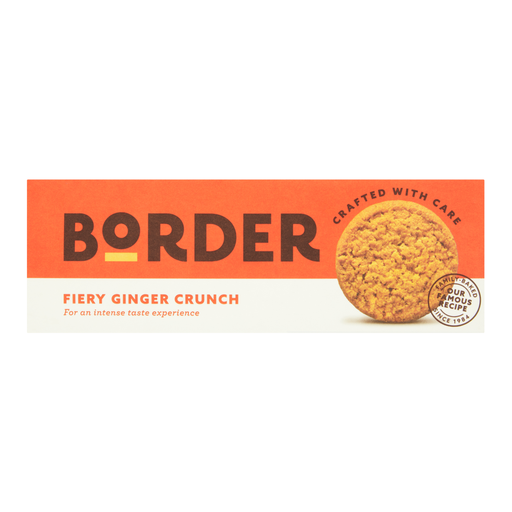 No image available
An uncoated ginger biscuit to consider when you do not want a chocolate coating. It is a ginger-crunch biscuit, rather than a dark-chocolate option.
The allergen advice says it may contain eggs, nuts, soya and dairy.
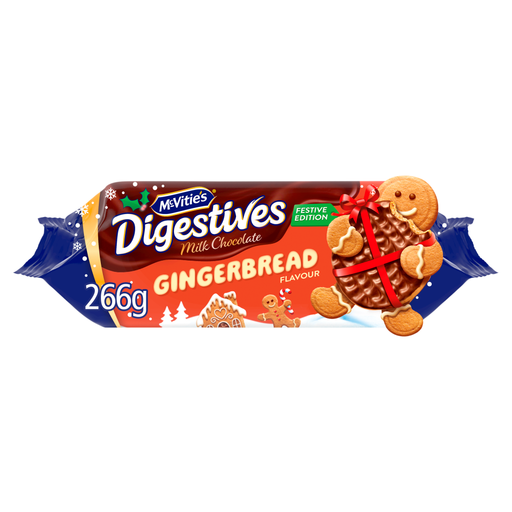 No image available
A gingerbread-flavoured digestive rather than a ginger nut. The product notes describe milk chocolate, not dark chocolate, and natural ginger flavouring rather than ground or stem ginger.
The packaged Tesco Finest and Sainsbury’s examples are ready-to-eat biscuits. Follow the purchased pack’s storage directions; both listings say to keep opened biscuits in an airtight container.
Check the actual pack against the guest’s requirements before serving. Ingredients and precautionary statements matter even when a product is described as gluten-free or vegan; the Food Standards Agency cautions that vegan labelling alone is not a substitute for allergen information.
No. Tesco Finest lists dark chocolate as 40% of the cookie’s ingredients, while its stated minimum of 54% cocoa solids describes that chocolate. The percentages have different denominators.
England’s retail HFSS promotion rules are not a general ban on serving biscuits at a private party: Department of Health and Social Care guidance concerns promotions by certain businesses selling to England. A party at a school is a different setting. Department for Education guidance on school food concerns food provided in state-funded schools in England, so check the circumstances and the school’s rules for that event rather than assuming one rule applies to every UK party.