
24/7 Customer Support

Free returns

Same-day & Next-day Delivery

Quality Guaranteed

Unlock Your Welcome Offers: FREE Delivery | Up to 80% OFF | Free 30-day JoyPlus trial
Download the APP
Ginger products can save preparation time, add warmth to drinks and bring sharp, aromatic flavour to everyday meals. However, choosing between pickled ginger, ginger tea, ginger beer, ginger paste and frozen ginger is not always straightforward.
Packaging can make a product appear more versatile than it is, while serving sizes, sugar content and storage requirements are easy to overlook. A jar labelled “ginger sauce” may contain substantial oil or salt, and a drink with ginger flavour may contain only a small amount of ginger extract. Use the following checks to compare products more objectively.
A ginger drink or ginger beer may use ginger extract or flavourings rather than fresh ginger. This is not necessarily a problem, but it affects the flavour profile and how you may want to use the product. Check the ingredients list and look for terms such as ginger root extract, ginger powder, ginger juice or ginger extract.
For example, a carbonated drink can work well as a mixer or chilled soft drink, whereas a concentrated ginger tea may be more suitable for making a hot beverage.
Pickled ginger, sushi ginger and ginger brown sugar are designed to taste sweet, sour or warming, so their nutritional information varies considerably. Some products use sugar, while others contain xylitol or alternative sweeteners. A product with “0g sugars” may still contain sweeteners, as shown by the San He Si Mei Young Ginger ingredient list.
Salt also matters in Asian ginger condiments and preserved products. Compare the per 100g figures rather than relying only on front-of-pack wording.
Fresh-style ginger paste may need refrigeration after opening, while frozen ginger and crushed ginger must remain at -18°C or below. A large jar can offer good value for frequent cooking, but it may not be practical if you only use a spoonful occasionally.
Check whether the product can be frozen, whether it must be used quickly after opening and whether it can be cooked directly from frozen.
Match the format to the dish:
A higher stated ginger percentage can indicate a more direct ginger flavour, but the complete ingredient list still matters. Taj Crushed Ginger, for instance, lists 100% ginger, while Taj Ginger And Garlic Mix contains a 50:50 blend. Shan Garlic & Ginger Paste contains fresh ginger and fresh garlic with stabilisers and preservatives.
Frozen products can be convenient for busy UK kitchens because individual portions reduce preparation and food waste. Follow the label instructions carefully: some products should be cooked thoroughly and must not be refrozen after thawing.
Food information should be checked before purchase, especially for sweetened drinks, sauces and pickled products. Look for:
Packaging remains the final reference for ingredients, allergen declarations, best-before dates and preparation instructions.
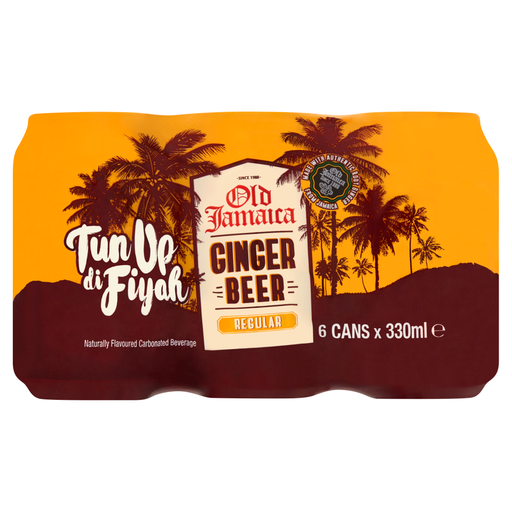
Why This Fits Their Persona: A six-can pack gives newcomers an accessible way to try ginger beer at home, either chilled or as a cocktail mixer.
The ingredient and nutrition information identifies ginger root extract, sugar and sweetener, helping shoppers distinguish it from an unsweetened ginger infusion.
330ml single-serve cans; suitable for vegetarians and vegans; can be served alone or used in mixed drinks.
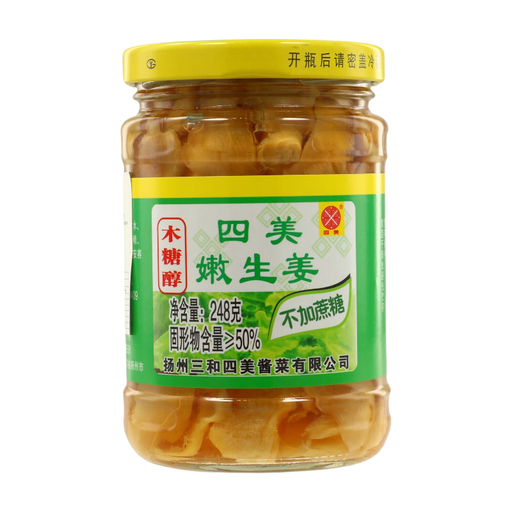
Why This Fits Their Persona: Suits shoppers who want a crisp, ready-to-eat Asian condiment with a stated 0g sugars per 100g.
The label clearly identifies xylitol as the sweetener and gives a salt value of 2.3g per 100g, making the key trade-offs visible.
Tender young ginger; ready to eat with congee, rice or noodles; refrigerate after opening.
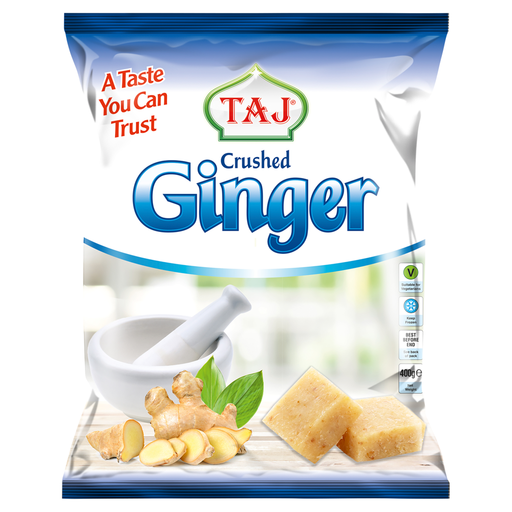
Why This Fits Their Persona: Designed for regular curry, marinade, stir-fry or chai preparation where peeling and grating ginger repeatedly becomes inconvenient.
It lists 100% ginger with no added preservatives, while the frozen format helps avoid wasting unused fresh root.
Frozen at -18°C or below; suitable for cooking from frozen; 400g format for frequent kitchen use.
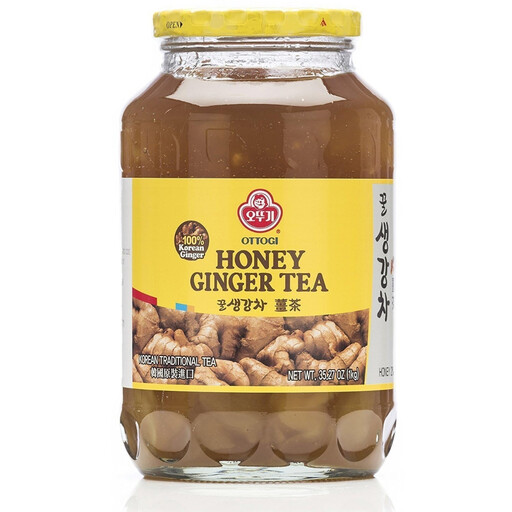
Why This Fits Their Persona: The generous pack is suited to households, offices or frequent tea drinkers who want a ginger-based hot or iced beverage.
The ingredients list states ginger, allowing buyers to distinguish this product from blends containing added sugar, honey or other extracts.
Large 1kg pack; can be served hot or iced; ingredients list identifies ginger as the listed ingredient.
We have compiled a complete, real-time list of products that fully satisfy these strict selection criteria and UK safety regulations.
Frozen ginger cubes or crushed ginger are practical for frequent cooking because they remove peeling and grating. Ginger and garlic paste is convenient for curries and marinades, while a jarred ginger sauce is more suitable when you want a ready-made dip or finishing seasoning.
Most pickled ginger products should be refrigerated after opening. Follow the specific label instructions and use clean utensils to limit contamination. Unopened jars should generally be stored according to the packaging, often in a cool, dry place.
Not always. Pure ginger tea may list ginger alone, while instant ginger drinks can include sugar, honey, ginseng or lemongrass. Check the ingredients and per serving nutrition information before choosing a product for regular drinking.