
24/7 Customer Support

Free returns

Same-day & Next-day Delivery

Quality Guaranteed

Unlock Your Welcome Offers: FREE Delivery | Up to 80% OFF | Free 30-day JoyPlus trial
Download the APP
Ginger tea is a practical choice for UK households wanting a warming drink without the caffeine found in traditional black or green tea. However, products labelled “ginger tea” can vary considerably in flavour, sugar content, format and preparation time.
Before adding a box or pouch to your basket, check what is actually inside. A tea bag containing ginger root is different from an instant ginger drink made with sugar, honey or milk powder. The following guide explains the main buying pitfalls, the specifications worth checking and our top recommendations for 2026.
Most ginger tea products are herbal infusions, not tea made from Camellia sinensis leaves. They are generally caffeine-free when made solely from herbs, spices, fruit or roots. However, blends containing green tea, matcha or conventional tea leaves may contain caffeine.
For example, a ginger latte containing instant tea or matcha should not be treated as a caffeine-free tea. Always review the ingredient list if you are avoiding caffeine in the evening.
Instant ginger tea is convenient because it dissolves in hot or cold water, but convenience may come with added sugar. Honey and ginger tea products can also include sucrose, honey powder or other sweetening ingredients.
Compare the ingredients order and nutritional information per 100g. A product listing ginger first may have a different flavour and sugar profile from one where sugar is the dominant ingredient. This matters if you drink several cups daily.
Natural ingredients can still be unsuitable for people with allergies, medication requirements or specific dietary needs. Some herbal blends include liquorice root, fennel, hemp, milk powder or other botanicals. Products containing honey are not vegan, while latte-style drinks may contain milk, coconut, soya or traces of nuts.
Read the packaging, allergen statement, warnings and preparation instructions before use. Product formulations and packaging can change, so the label supplied with your order should take priority.
The percentage of ginger gives useful context, but it does not describe the complete taste. A blend with lemon peel or lemongrass is likely to have a sharper citrus character, while turmeric and ginger tea tends to provide a more earthy, savoury cup.
Common options include:
Check whether the product uses ginger root, ginger powder, ginger extract or natural ginger flavouring. These forms may produce different levels of heat and aroma.
Choose the format that suits your routine:
For loose products, follow the stated quantity and steeping time. A typical instruction may be one to two teaspoons in boiling water for five to ten minutes. Tea bags commonly require around three to seven minutes, while instant sachets usually dissolve in 150–250ml of hot water.
Look for clear statements covering caffeine, allergens, vegan suitability and added sweeteners. Pure ginger, lemon, hibiscus, moringa and soursop infusions are generally positioned as caffeine-free, but a mixed product can differ.
If you want a dairy-free drink, avoid latte products containing milk powder. If you are reducing sugar, compare the nutrition panel rather than relying on phrases such as “natural” or “wellness drink”. People who are pregnant, breastfeeding, taking medication or managing a medical condition should seek appropriate professional advice before regularly consuming unfamiliar herbal products.
The following options are matched to different shopping needs rather than ranked against one another.

Why This Fits Their Persona: An 80-bag pack suits regular drinkers who want a familiar lemon and ginger tea for home or the office.
The ingredient list identifies ginger root at 37% and lemon peel at 9%, while the product is listed as caffeine-free.
80 individually prepared servings; suitable for hot drinks with a stated three-to-five-minute infusion.
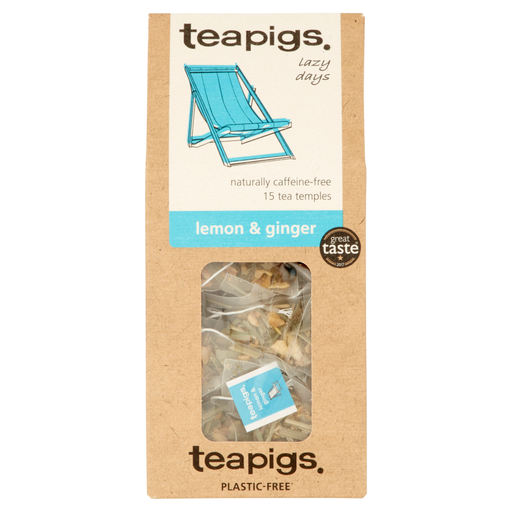
Why This Fits Their Persona: Spacious tea temples suit shoppers who prefer a fuller loose-leaf-style infusion without carrying a separate strainer.
It states ginger at 65% and provides clear information about the 15 biodegradable tea temples.
Caffeine-free, vegan-friendly and suitable for hot or iced preparation.
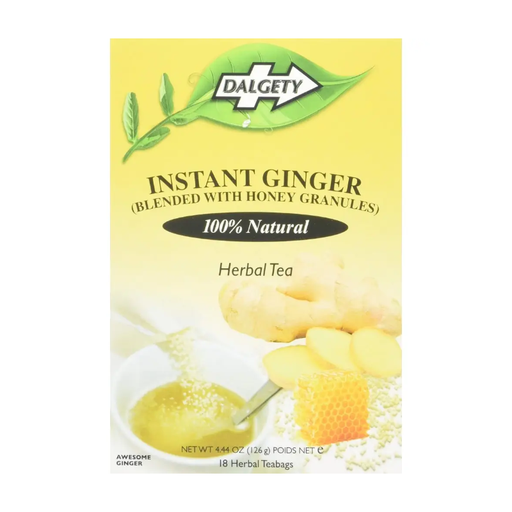
Why This Fits Their Persona: A practical option for busy mornings, workplace cupboards or travel, requiring only hot or cold water.
The label lists ginger at 60%, honey at 20% and sucrose at 20%, making the sweetener content visible before purchase.
Caffeine-free instant format; 126g pack can be stored in a cool, dry place and prepared without steeping.
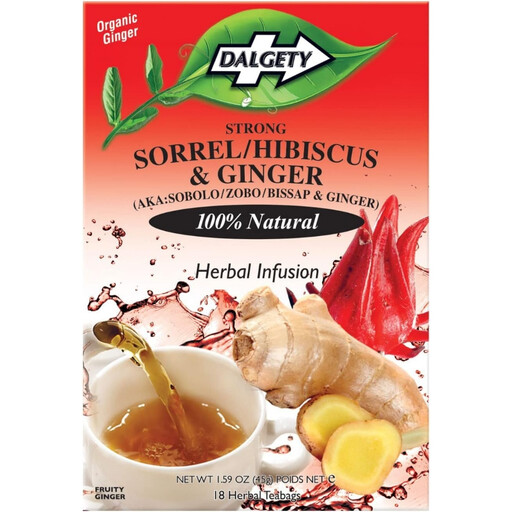
Why This Fits Their Persona: This blend suits drinkers who prefer tart, floral notes and want a tea that can be served hot or chilled over ice.
Its stated ingredients are roselle and ginger, so the tangy hibiscus character is clear rather than hidden behind broad flavour language.
Caffeine-free herbal infusion; preparation instructions cover both hot and cold serving.
We have compiled a complete, real-time list of products that fully satisfy these strict selection criteria and UK safety regulations.
A pure ginger infusion is normally caffeine-free, as ginger is a root rather than a tea leaf. Check the ingredients carefully because ginger drinks containing green tea, matcha or instant tea may contain caffeine.
Yes. Prepare the infusion as directed, allow it to cool and pour over ice. Some products, including hibiscus and ginger tea, are specifically suited to iced preparation. Instant ginger tea can usually be mixed directly with cold water, although stirring may take longer.
Keep tea bags, loose ginger tea and powders in a cool, dry place away from sunlight and moisture. Reseal pouches and jars after opening, or transfer loose products to an airtight container. Check the best-before date and discard products showing unusual odour, mould, discolouration or signs of moisture damage.