Hosts prioritising Fairtrade chocolate
You want to check what a Fairtrade claim covers. Read the chocolate’s mark or ingredient statement separately from the biscuit’s packaging; a Fairtrade chocolate component does not certify the finished biscuit.


For a garden-party tea table, choose plain ginger nuts if a shareable biscuit is the priority, or a specifically labelled gluten-free ginger biscuit if that meets a guest’s requirements. If Fairtrade chocolate matters, check the chocolate’s own claim and use it with the biscuits; that does not make the finished ginger biscuit Fairtrade. Check current allergen wording on every component before serving.
You want to check what a Fairtrade claim covers. Read the chocolate’s mark or ingredient statement separately from the biscuit’s packaging; a Fairtrade chocolate component does not certify the finished biscuit.
You need the biscuit and any chocolate topping to fit the people eating them. Compare specific vegan and gluten-free labels, then read each current pack for wheat, milk, nuts and precautionary allergen wording.
You want enough familiar ginger biscuits for informal sharing. Compare pack weights and serving needs, while treating a chocolate-coated option as a different format rather than an equivalent plain biscuit.
Decide whether the biscuit itself needs a Fairtrade claim or whether a separately labelled chocolate component meets your aim; then check each guest’s dietary requirements and the pack information.
| Priority | What to check | Your needs |
|---|---|---|
| Fairtrade scope | Check the mark or ingredient statement on the exact product. The Fairtrade Foundation distinguishes its classic Mark, covering all ingredients that can be certified, from an ingredient-sourcing Mark covering a named ingredient. | I want to know whether the claim applies to the biscuit, the chocolate, or a specified chocolate ingredient before describing the serving to guests. |
| Allergens and diets | Read the current ingredients, dietary labels and precautionary allergen statement on both components. Waitrose & Partners labels its Free From Gluten Stem Ginger Cookies gluten-free and warns that they may contain nuts. | A guest needs a gluten-free ginger biscuit, but I still need to check whether its other allergen wording fits their requirements. |
| Serving format | Compare pack weight and whether you want biscuits plain, dipped or drizzled. Tesco Groceries lists Tesco Ginger Nuts in a 300g pack; a separate chocolate bar adds another component to prepare and label. | For a simple tea table, I would rather serve ginger nuts as they come. If chocolate is the point of the serving, I can prepare and identify the two components separately. |
| Sugars and portions | Compare sugars per 100g on current packs, then consider biscuit size. Tesco Groceries lists 25.5g sugars per 100g for Tesco Ginger Nuts, while Waitrose & Partners lists 40.7g per 100g for its Free From Gluten Stem Ginger Cookies. | I want comparable figures for different biscuit sizes rather than assuming that gluten-free or vegan wording tells me the sugar content. |
Waitrose & Partners describes RSPO-segregated palm sourcing for McVitie’s Ginger Nuts. That statement does not establish a Fairtrade claim for the biscuit.
If Fairtrade certification matters, look for the relevant mark or a specific Fairtrade ingredient statement on the product you will serve.
Tesco Groceries lists 25.5g sugars per 100g for Tesco Ginger Nuts; Waitrose & Partners lists 40.7g per 100g for its gluten-free stem ginger cookies. The labels address different product characteristics.
Compare the current nutrition panels per 100g, and check per-biscuit information if you need to plan individual portions.
Waitrose & Partners labels its Free From Gluten Stem Ginger Cookies gluten-free but also says they may contain nuts. A gluten-free label does not answer a separate nut-allergy question.
Read the current pack against the guest’s particular requirements, including precautionary wording on any chocolate added to the biscuit.
The Department for Education’s school food standards guidance concerns school food in England. A private garden party is a different setting.
If the gathering is school-catered, check the rules and policies applicable to that setting before choosing what to serve.
These examples show different biscuit and chocolate formats; a brand name alone does not establish a Fairtrade claim or dietary suitability for every product it makes.
Tesco Ginger Nuts are a 300g own-label biscuit pack for a plain ginger-nut serving.
Waitrose & Partners lists both Essential Ginger Nuts and Free From Gluten Stem Ginger Cookies, which meet different biscuit requirements.
McVitie’s Ginger Nuts are a branded crunchy ginger biscuit listed by Waitrose & Partners as suitable for vegetarians.
M&S lists plain Ginger Snaps and a separate dark-chocolate-coated ginger biscuit.
Divine’s 70% Dark Chocolate is a chocolate component for serving with ginger biscuits, not a ginger-nut biscuit.
These options include ginger biscuits for serving plain and chocolate bars that could be paired with separately chosen biscuits. Check the Fairtrade wording on the exact chocolate and biscuit packs before describing the finished serving.
 No image available
This 85% dark chocolate bar is a possible topping for separately chosen ginger biscuits, rather than a biscuit to serve on its own.
Check the exact bar’s Fairtrade wording and current nut and milk allergen information before using it for guests.
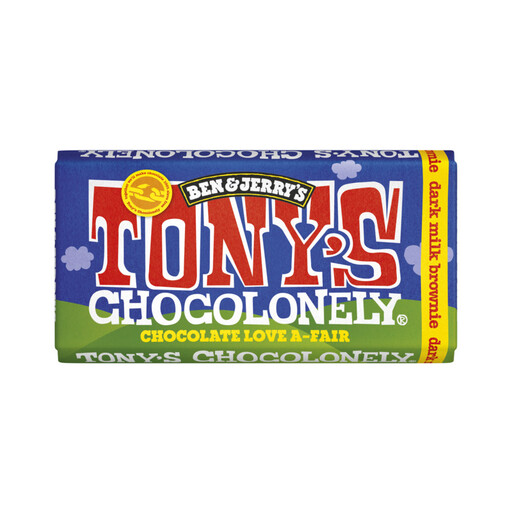 No image available
This dark milk chocolate bar contains brownie pieces, giving a different topping format from plain dark chocolate; ginger biscuits would need to be chosen separately.
Check the exact product’s Fairtrade claim and its current wheat, milk, soya and precautionary allergen wording before serving.
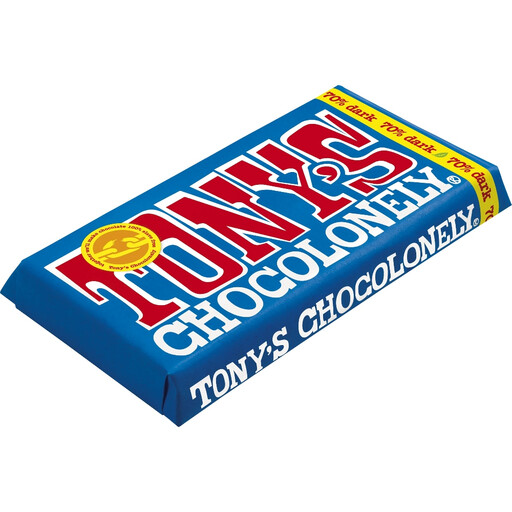 No image available
This 180g dark chocolate bar is an option to use with a separately selected ginger biscuit.
Confirm what the Fairtrade wording covers on the exact bar, and read its current precautionary allergen statement before preparing a shared plate.
 No image available
This raspberry variant could be served with separately chosen ginger biscuits. It is distinct from Divine’s plain 70% Dark Chocolate bar, so check this variant’s own Fairtrade statement rather than applying the plain bar’s ingredient information to it.
Read the current milk, gluten and nut allergen wording before serving.
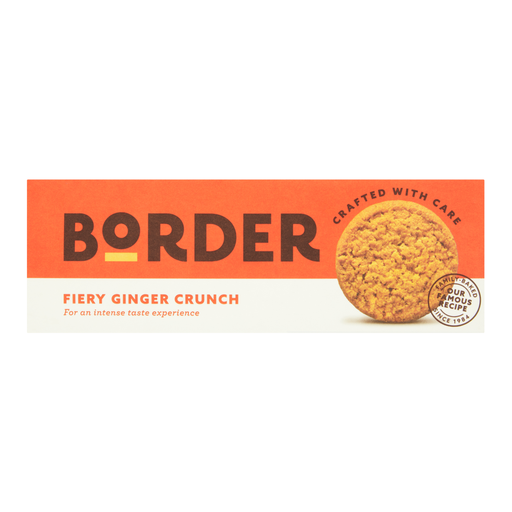 No image available
These ginger biscuits can be served plain or paired with a separately chosen chocolate bar. Do not describe the biscuits themselves as Fairtrade without a claim on their current pack.
Check the wheat declaration and precautionary allergen wording before serving guests with dietary restrictions.
Only if the particular biscuit carries a relevant Fairtrade claim. The cited Tesco, Waitrose Essential and McVitie’s ginger-nut product information does not establish one; an RSPO palm-sourcing statement is a different claim. Check the current biscuit pack before describing it to guests.
Choose the biscuit and chocolate separately, checking the Fairtrade wording on the exact chocolate. Divine Chocolate lists Fairtrade cocoa mass, sugar, cocoa butter and vanilla for its plain 70% Dark Chocolate bar, while the Fairtrade Foundation explains that different marks can cover all certifiable ingredients or a named sourced ingredient. Adding that chocolate does not certify the biscuit.
No. Waitrose & Partners labels its Free From Gluten Stem Ginger Cookies gluten-free but also warns that they may contain nuts. Check the current packaging and the individual guest’s requirements, including the label of any chocolate you add.
The Department for Education’s school food standards guidance applies to school food in England, not an ordinary private garden party. If the event is school-catered, check the requirements for that setting rather than treating a private-party choice as the same decision.