
24/7 全天候客户支持

免费退货

当日/次日达

品质保障

开启新人专享福利: 全场免邮 | 低至 2 折 | 免费试用 30 天 JoyPlus 会员
下载 Joybuy
Ginseng products now cover far more than traditional supplements. UK shoppers can find Korean ginseng skincare, ginseng tea, cleansing oils, serums and everyday wellness products in many different formats. That variety is useful, but it can also make product comparisons difficult.
Marketing language may highlight “traditional” ingredients, premium-looking packaging or impressive-sounding percentages without explaining how the product fits into your routine. Before buying, check the formula, usage instructions, allergens, caffeine content and suitability warnings rather than relying on the front label alone.
A large percentage can sound persuasive, but the full ingredient list matters more. A skincare product may use ginseng root water, root extract, seed oil or berry extract, and each has a different role in the formula. Humectants such as glycerin, panthenol and hyaluronic acid may be more relevant if your priority is hydration.
For teas, the format also matters. A sachet, instant powder and loose herbal blend can have very different preparation methods, sugar levels and portion sizes.
Ginseng has a long history in food, beverages and personal care, but a cosmetic or tea should not be treated as a medicine. Be cautious of descriptions that promise to reverse ageing, repair skin damage or support specific health conditions. Look instead for verifiable details such as ingredient percentages, net quantity, preparation instructions and warnings.
A ginseng product may contain retinoids, fragrance, essential oils, sugar, allergens or several botanical extracts. Sensitive skin may not tolerate every “natural” formula, while sweetened instant tea may not suit shoppers trying to limit sugar. Always inspect the current packaging and ingredient list before use or consumption.
For Korean ginseng skincare, identify where ginseng appears in the ingredient list and what other active ingredients are present. A lightweight ginseng essence may suit dehydrated skin that dislikes heavy layers, while a cream is more appropriate for shoppers seeking a richer final step.
A ginseng serum can be useful when you want a concentrated layer between cleansing and moisturising. Check whether it also contains ingredients such as niacinamide, snail secretion filtrate, retinal or hyaluronic acid. These can affect how the product fits into your existing routine.
If you are comparing a ginseng cleansing oil, look for a formula that emulsifies with water and rinses cleanly. This is particularly important if you wear SPF or make-up and do not want a heavy residue after the first cleanse.
A ginseng eye serum containing retinal is not the same as a simple hydrating eye product. Retinal is a vitamin A derivative, so gradual introduction and daytime sunscreen are sensible precautions. Avoid applying it to irritated or damaged skin, and follow the product’s specific warnings. People who are pregnant or breastfeeding should seek professional advice before using products containing retinoid ingredients.
For ginseng tea, check whether it is caffeine-free, sweetened and individually portioned. Ginseng and ginger tea may be convenient for a warming drink, while a ginseng matcha tea contains green tea and therefore is not caffeine-free. Compare the nutrition panel, especially sugars per 100 g and per serving.
Also check age restrictions, pregnancy warnings, allergens and storage instructions. Herbal products can interact with personal circumstances or medicines, so ask a pharmacist or doctor if you are unsure.
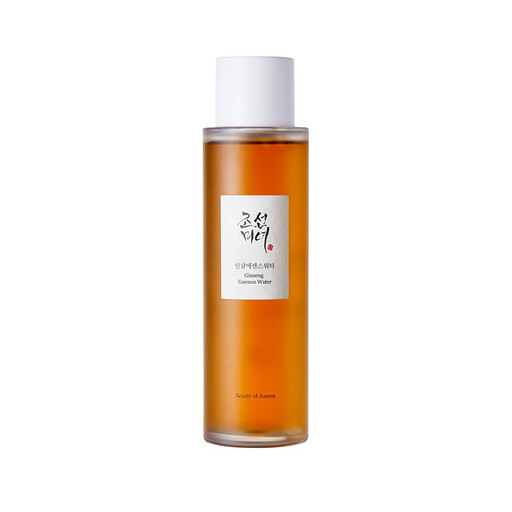
Why This Fits Their Persona: A straightforward first ginseng skincare step for UK shoppers who want light hydration without starting with a multi-product routine.
The listed formula identifies 80% ginseng root water and is described as fragrance- and essential-oil-free, making the composition easier to assess.
150 ml size; lightweight essence texture; also includes glycerin, panthenol and sodium hyaluronate.
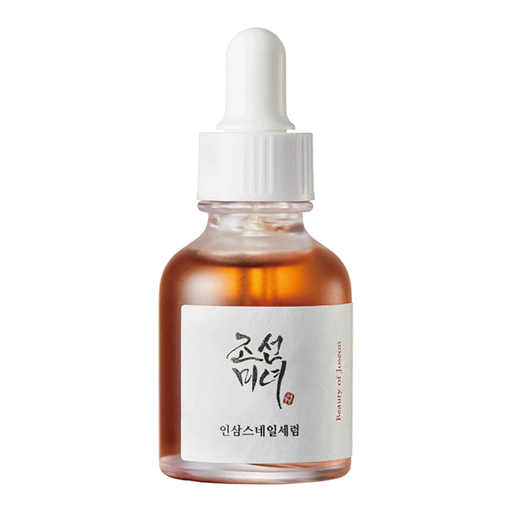
Why This Fits Their Persona: Suits shoppers building a more targeted routine for dry, normal or combination skin and wanting a silky serum texture.
The ingredient list and stated quantities make its central combination clear: 63.36% ginseng root water and 3% snail secretion filtrate.
30 ml serum; contains niacinamide, adenosine and several forms of hyaluronic acid; suitable for layering under moisturiser.
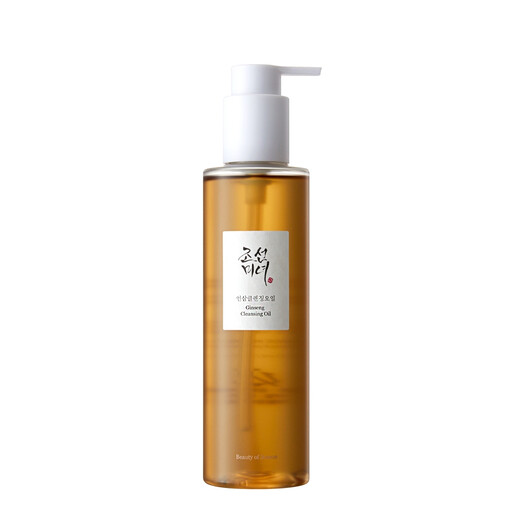
Why This Fits Their Persona: Practical for regular SPF or make-up users who need a dedicated first cleanse before a water-based face wash.
Its directions specify dry-face application followed by water emulsification, helping reduce the residue problem associated with some cleansing oils.
210 ml size; includes soybean oil and 0.1% ginseng seed oil; listed without artificial fragrance or essential oils.
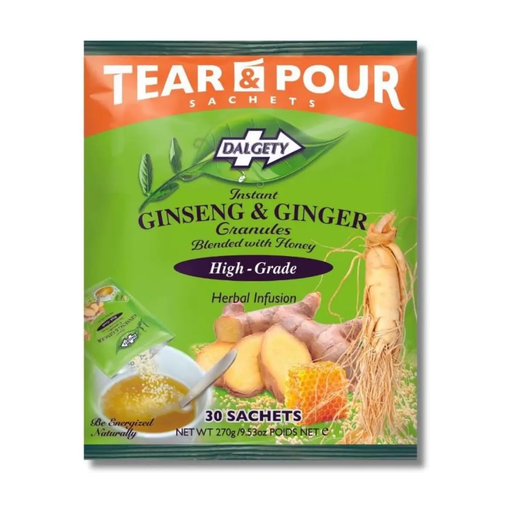
Why This Fits Their Persona: A convenient option for shoppers who want a caffeine-free instant drink that can be mixed with hot or cold water at home or work.
The ingredient list clearly includes sugar, honey and sucrose, so shoppers can account for sweetness rather than assuming the drink is sugar-free.
Resealable 270 g pouch; instant preparation; ginseng and ginger extracts provide a sweet-spicy flavour profile.
We have compiled a complete, real-time list of products that fully satisfy these strict selection criteria and UK safety regulations.
Not every ginseng tea is caffeine-free. A pure herbal tisane or ginseng and ginger tea may contain no tea leaves, while ginseng matcha tea includes sencha and matcha and therefore contains naturally occurring caffeine. Check the ingredients and product description before buying.
Many ginseng serums are designed for regular use, but suitability depends on the complete formula and your skin. Products containing retinal or other potentially irritating ingredients may require gradual introduction. Follow the label directions, patch test where advised and stop using the product if irritation develops.
Shelf life varies by product type and packaging. Skincare should be stored as directed and used according to its period-after-opening symbol where provided. Tea powders and sachets should be kept sealed and dry. Always use the date and storage guidance printed on the current packaging rather than relying on a general timeframe.