For a top-up shop with limited space, start with distinct choices rather than several similar colas: a regular cola, a caffeine-free fruit drink and a no-sugar option. Your Coca-Cola UK lists Coca-Cola Original Taste, Fanta Orange and Sprite No Sugar in 24 × 330ml glass-bottle cases; check shelf and stockroom space, delivered date codes and glass-handling arrangements before deciding how many cases to replenish.
Who is this range for?
The right starting range depends on the space available, the choices shoppers ask for and the work involved in storing glass.
Independent top-up shop buyers
If chilled display and stockroom space are tight, plan around bottle size and case quantity. Your Coca-Cola UK lists the three example drinks in 24 × 330ml glass-bottle cases; check delivered dates and how staff will receive and store them.
Shops adding a no-sugar choice
Sprite No Sugar offers a documented 24 × 330ml glass-bottle option alongside regular drinks, according to Your Coca-Cola UK. If you want a different no-sugar brand, confirm the exact bottle material and case configuration before treating it as an equivalent line.
England shop operators handling glass waste
Plan where empty or broken bottles will be held and how glass will be collected. The Department for Environment, Food & Rural Affairs requires glass to be separated with workplace dry recyclables in England.
What should you check before ordering?
Choose the drink roles first, then check the exact pack and the space and handling each case requires.
| Priority |
What to check |
Your needs |
| Distinct choices |
Check whether each line adds a different flavour or sugar choice. Your Coca-Cola UK lists 24 × 330ml glass-bottle cases for Coca-Cola Original Taste, Fanta Orange and Sprite No Sugar. |
I have room for a compact range and want a regular cola, a fruit drink and a no-sugar alternative rather than several near-identical lines. |
| Product labels |
Read the label on the exact variant for sugar, sweeteners and caffeine information; do not carry details across flavours or pack types. Confirm that any proposed substitute is actually supplied in glass. |
Some shoppers ask for no sugar or a caffeine-free drink, so I need to identify those choices accurately at the shelf. |
| Glass handling |
Check receiving and carrying tasks, shelf stability and a broken-glass procedure. In England, arrange separate collection of workplace glass under Department for Environment, Food & Rural Affairs guidance. |
Before I increase bottle facings, I need enough stockroom space and a workable way to handle breakages and empty bottles. |
| Replenishment |
Confirm bottle size, units per case and the best-before codes on delivered stock. Use sales and remaining dates to decide when to reorder. |
I want cases I can store and rotate without assuming every delivery has the same remaining shelf life. |
Common stocking mistakes
-
Filling the fixture with similar regular colas
That leaves no distinct fruit or no-sugar choice in the planned glass-bottle range. Your Coca-Cola UK lists Fanta Orange and Sprite No Sugar as 24 × 330ml glass-bottle alternatives with different roles.
Start with the choices your shop needs to offer, then use local sales to decide whether any line needs more space.
-
Assuming a 330ml drink is sold in glass
Bottle material and case quantity belong to the exact product, not just the brand or drink name. A can pack will not fill a glass-bottle space in the same way.
Check the supplier's listing and the delivered pack for bottle material, size, case quantity and variant before ordering.
-
Adding glass without a handling plan
More cases add receiving, carrying and shelving tasks, while breakages need a clear response. The Health and Safety Executive's manual-handling guidance addresses reducing injury risks from handling work.
Review lifting tasks, stable storage, broken-glass procedures and collection capacity before increasing stock.
-
Applying one deposit-return rule across the UK
Department for Environment, Food & Rural Affairs guidance for the England and Northern Ireland Deposit Return Scheme describes qualifying PET, aluminium and steel drinks containers, not glass bottles.
Check the current rules for each nation where the shop sells drinks before setting up a deposit or returns process for glass.
Brand and product-line references
These examples describe particular drinks and formats, not every product sold under each brand.
Coca-Cola
Coca-Cola Original Taste is a regular-cola option listed by Your Coca-Cola UK in a 24 × 330ml glass-bottle case.
- Provides a recognisable cola role within a compact range.
- It does not fill the no-sugar or fruit-drink role; check its label when presenting sugar and caffeine information.
Fanta
Your Coca-Cola UK lists Fanta Orange in 24 × 330ml glass bottles and describes it as caffeine-free.
- Adds an orange drink outside the cola choices.
- Do not present Fanta Orange as the no-sugar line; use the exact product label for sugar and sweetener details.
Sprite
Your Coca-Cola UK lists Sprite No Sugar in a 24 × 330ml glass-bottle case.
- Adds a no-sugar choice in the same bottle size as the other listed cases.
- Check the label for this exact variant rather than applying its details to other Sprite drinks.
Pepsi
Pepsi UK describes Pepsi Max as a no-sugar cola. That description alone does not establish the bottle format needed for this fixture.
- A potential no-sugar cola route if a supplier offers the required glass-bottle variant.
- Confirm the exact bottle material, UK label and case quantity before adding it to a glass-bottle order.
Joybuy product options
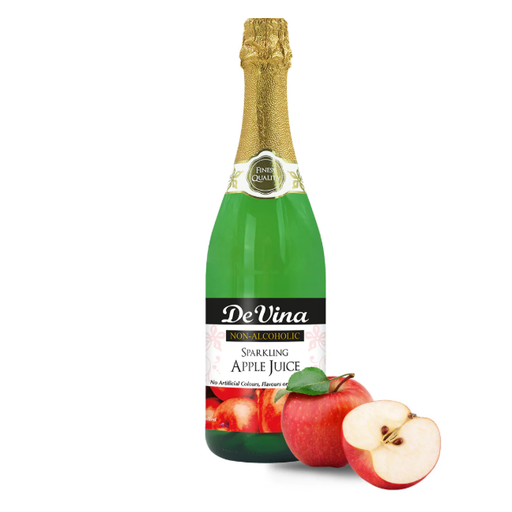
This option is a fizzy apple drink in a 750ml glass bottle. Consider it for a larger-format fruit choice, rather than as a direct substitute for a 330ml single-serve case.
 No image available
De Vina Sparkling Apple 750ml
A carbonated apple drink in a glass bottle for a shop considering a fruity option. At 750ml per bottle, it needs a different shelf-space and customer-demand check from the 330ml single-serve examples; confirm the ordering quantity and follow the bottle's handling and date-label instructions.
View on Joybuy
Questions about stocking glass bottles
Must an England shop separate glass for recycling?
Yes. Department for Environment, Food & Rural Affairs workplace recycling guidance for England says glass must be separated as a dry recyclable material before collection. Arrange suitable storage and collection for the glass your shop produces.
Does the England and Northern Ireland deposit scheme cover glass fizzy-drink bottles?
No: Department for Environment, Food & Rural Affairs guidance describes the scheme's container materials as PET plastic, aluminium and steel, not glass. If you operate in another UK nation, check its applicable rules separately rather than extending that conclusion UK-wide.
How should a shop manage dates on glass-bottle drinks?
Check the best-before code on each delivery and rotate stock using the dates on the actual packs. Follow each product's storage label, and decide replenishment quantities from the dates received and the shop's sales.
What should be checked before stocking more glass-bottle cases?
Review how staff receive, lift, carry and shelve the delivered cases, as well as how breakages will be handled. The Health and Safety Executive's manual-handling guidance provides advice on reducing injury risks from those tasks.


