Hosts serving individual drinks
For a barbecue, garden meal or holiday-house gathering, a 24 × 330ml case offers separate bottles rather than one large bottle to pour from. Make room to chill the case and plan how guests will handle the glass.


For a gathering where guests will have individual drinks, a case of 330ml glass bottles can work if you can transport, chill and handle the glass safely. Choose the flavour and formulation separately: Coca-Cola Original Taste is a full-sugar cola option, Coca-Cola Zero Sugar, Pepsi Max and Sprite Zero offer zero-sugar alternatives, and Fanta Orange is an orange option described as caffeine free; check the exact pack label before serving.
Glass bottles suit some serving plans, but the pack format and drink formulation matter as much as the flavour.
For a barbecue, garden meal or holiday-house gathering, a 24 × 330ml case offers separate bottles rather than one large bottle to pour from. Make room to chill the case and plan how guests will handle the glass.
Coca-Cola Zero Sugar, Pepsi Max and Sprite Zero offer cola or lemon-and-lime alternatives. Their product information lists sweeteners and a source of phenylalanine, so check the exact pack when those ingredients matter.
Fanta Orange 24 × 330ml glass bottles provide an orange option that Your Coca-Cola UK describes as caffeine free. It contains sugars and sweeteners; do not assume the same formulation applies to other fruit-flavoured drinks.
Start with the number and size of servings, then compare flavours and labels for the people you are serving.
| Priority | What to check | Your needs |
|---|---|---|
| Pack format | Confirm the container says glass, then check bottle size and pack count. The cited Coca-Cola, Fanta, Sprite and Pepsi cases contain 24 × 330ml bottles. | For a meal with individual servings, I would choose a pack that fits the guest count and leaves enough space for chilling and safe storage. |
| Flavour choice | Distinguish cola, lemon-and-lime and orange. Check the exact variant: Sprite Zero is not the same formulation as standard Sprite. | If guests have different tastes, I would offer more than one flavour rather than assume everyone wants cola. |
| Sugars and sweeteners | Read the nutrition panel per 100ml or per serving and the ingredients list. Your Coca-Cola UK lists 35g sugars per 330ml for Coca-Cola Original Taste; the named zero-sugar alternatives contain sweeteners. | I may want both a full-sugar cola and a zero-sugar choice, while still checking whether guests avoid particular sweeteners. |
| Caffeine and labels | Check the exact pack for caffeine, ingredients and dietary statements. Your Coca-Cola UK describes its glass-bottle Fanta Orange as caffeine free; product information for the named zero-sugar drinks carries a phenylalanine statement. | When serving someone with a relevant dietary requirement, I would use the label on the bottle being served, not a different flavour’s or pack’s details. |
| Handling glass | Plan transport, chilling and collection of empty bottles. DrinkSupermarket notes that fragile glass items may not arrive in their original packaging. | If bottles will be carried between locations or used outdoors, I need a practical way to protect them from breakage and clear them afterwards. |
A 330ml size describes the serving, not the container. Tesco’s cited Dr Pepper 330ml listing is a can, while the named glass-bottle cases state their container format.
Check the container material and pack count in the exact product listing before ordering.
The cited Coca-Cola Zero Sugar, Pepsi Max and Sprite Zero product information lists sweeteners and a source of phenylalanine. Fanta Orange is described as caffeine free but contains sugars and sweeteners.
Decide whether sugars, caffeine or a particular ingredient is the relevant concern, then read the label of the exact variant you will serve.
According to the Department for Environment, Food & Rural Affairs, the deposit-return scheme due to begin in England and Northern Ireland on 1 October 2027 covers specified PET plastic, aluminium and steel drinks containers, not glass.
Follow local glass-recycling instructions and check the rules applicable where the bottles will be used; Scotland and Wales have separate schemes and guidance.
These references describe specific drinks or listings, not every product from a brand or what a retailer currently has available.
Your Coca-Cola UK lists both Original Taste and Zero Sugar in 24 × 330ml glass-bottle cases.
Retailer listings identify 24 × 330ml glass-bottle cases of Pepsi and Pepsi Max.
Your Coca-Cola UK lists Fanta Orange as a 24 × 330ml glass-bottle case.
Your Coca-Cola UK lists Sprite Zero in a 24 × 330ml glass-bottle case.
Tesco’s cited 330ml Dr Pepper product is a can, making its format different from the glass-bottle cases discussed here.
Tesco is a retailer reference for checking the precise pack and its food information, rather than a glass-bottle drink brand in this selection.
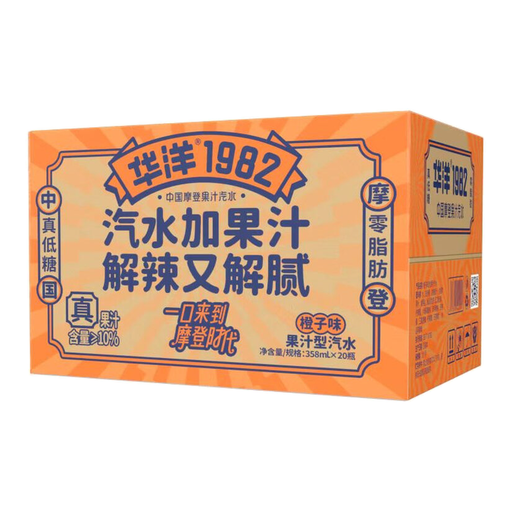
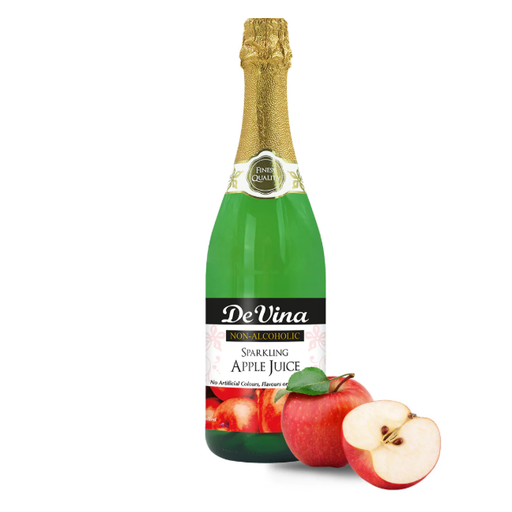
These Joybuy options cover two different fruity serving formats: a case of individual orange-flavoured bottles and a single sparkling apple bottle for sharing. Check which format fits your gathering rather than treating them as interchangeable with 24 × 330ml cases.
 No image available
The 20 individual glass bottles suit a gathering where guests can take separate orange-flavoured servings. This is a different pack count and bottle size from a 24 × 330ml case; check the pack label if caffeine content matters and plan how to handle the glass.
 No image available
This sparkling apple drink comes in one 750ml glass bottle to pour and share, rather than a case of individual servings. Handle the bottle carefully and check its label if caffeine content matters.
They can work for a home meal or gathering when you want individual servings and have a safe way to transport, chill and collect the bottles. Several of the cited drinks come in 24 × 330ml glass cases; DrinkSupermarket notes that fragile glass items may not arrive in their original packaging.
Your Coca-Cola UK describes its Fanta Orange 24 × 330ml glass bottles as caffeine free. Check the exact label rather than applying that description to every orange or fruit-flavoured drink.
Yes: the cited product information for Coca-Cola Zero Sugar, Pepsi Max and Sprite Zero lists sweeteners and a source of phenylalanine. Read the exact pack label when choosing for someone with a relevant dietary requirement.
Check the physical pack label before serving. GOV.UK says prepacked drinks must clearly label any of the 14 specified allergens they contain, while Tesco warns that ingredients and other food information can change; ask the retailer or manufacturer if the label is unclear.
Not under the England and Northern Ireland scheme described by the Department for Environment, Food & Rural Affairs: it is due to begin on 1 October 2027 and covers specified PET plastic, aluminium and steel drinks containers, not glass. Check the applicable local scheme in Scotland or Wales separately, along with local glass-recycling instructions.