Cyclists planning longer rides
British Cycling says rides up to about 90 minutes generally do not require additional fuel. For a longer ride, decide how you will carry fluid and whether your drink also needs to contribute carbohydrate.


Keep a glass-bottle energy drink for a stationary stop rather than using it as your on-bike bottle: British Cycling identifies broken glass as an urban cycling puncture hazard, and a glass drink bottle should not be assumed to fit a bicycle bottle cage. For rides beyond about 90 minutes, consider whether you need carbohydrate as well as fluid; a sports drink may meet that need, while a caffeinated energy drink calls for separate checks of its nutrition label and your caffeine intake.
British Cycling says rides up to about 90 minutes generally do not require additional fuel. For a longer ride, decide how you will carry fluid and whether your drink also needs to contribute carbohydrate.
Check the caffeine in the serving you intend to drink alongside coffee, tea, gels and other sources. The European Food Safety Authority’s figures for healthy adults concern both single doses and total daily intake; they are not cycling performance targets.
A glass-bottle drink can be consumed while stationary, but its packaging does not establish that it fits a bicycle bottle cage. British Cycling identifies broken glass as a puncture hazard for urban cyclists, making a purpose-built cycling bottle the precautionary choice for carrying a drink on the bike.
Start with the ride and what the drink needs to provide, then check the container and the amount of caffeine in the serving.
| Priority | What to check | Your needs |
|---|---|---|
| Ride duration | Estimate how long you will ride and whether you need fuel as well as fluid. British Cycling says additional fuel is generally unnecessary for rides up to about 90 minutes. | For a shorter ride, I may only need a way to carry water. For a longer ride, I need to plan what I will drink and how I will take on fuel. |
| Caffeine | Read the caffeine amount for the actual serving and count other sources. For healthy adults, the European Food Safety Authority’s safety assessment gives up to 200 mg for a single dose and 400 mg across a day; individual circumstances can call for a lower limit. | If I choose caffeine, I want to know my total intake rather than judge the drink by its bottle size or packaging. |
| Container | Check bottle-cage fit and whether the container is suitable to carry while riding. British Cycling identifies broken glass as an urban cycling puncture hazard. | A glass bottle appeals to me for a stop, but on the bike I want a purpose-built cycling bottle. |
| Carbohydrate and electrolytes | Compare the nutrition information per serving and the product line, rather than treating every energy drink as a sports drink. Lucozade says its Sport line contains carbohydrate and electrolytes; Joybuy UK lists Monster Energy Ultra Zero Sugar with 0 g sugars per 100 ml, which alone does not establish its carbohydrate contribution. | On a longer ride, I need to plan carbohydrate intake separately if my chosen drink does not provide what my fuelling plan calls for. |
A glass drink bottle’s appearance says nothing about bottle-cage fit. Broken glass is also a recognised urban cycling puncture hazard, according to British Cycling.
Use a purpose-built cycling bottle while riding, and save a glass-bottle drink for a stationary stop.
Joybuy UK lists Monster Energy Ultra Zero Sugar with 0 g sugars per 100 ml. That figure does not tell you whether the drink supplies the carbohydrate you have planned for a longer ride.
Check carbohydrate per serving and plan another source if needed. British Cycling advises considering additional fuel on rides beyond about 90 minutes.
Red Bull UK states that its 250 ml can contains 80 mg caffeine, but coffee, tea, gels and supplements also contribute to the day’s total.
Add up the intended servings from every source. The European Food Safety Authority’s 200 mg single-dose and 400 mg daily figures apply to healthy adults as safety references, not recommended amounts to consume.
A brand name alone does not identify a drink’s formulation or container: check the particular product line and serving.
Lucozade describes its Sport line as a drink for adults taking part in exercise or sport.
Red Bull Energy Drink is a caffeinated option for adults considering an energy drink rather than a sports drink.
Monster Energy Ultra Zero Sugar illustrates a sugar-free energy-drink choice rather than a glass-bottle cycling drink.
Relentless Origin is another energy drink to assess by its particular label rather than by brand name alone.
These sports drinks are options to examine when planning fluid and fuel for cycling; they are not glass-bottle energy drinks. Check each drink’s label against your plan, and confirm the container fits your bicycle before carrying it on a ride.
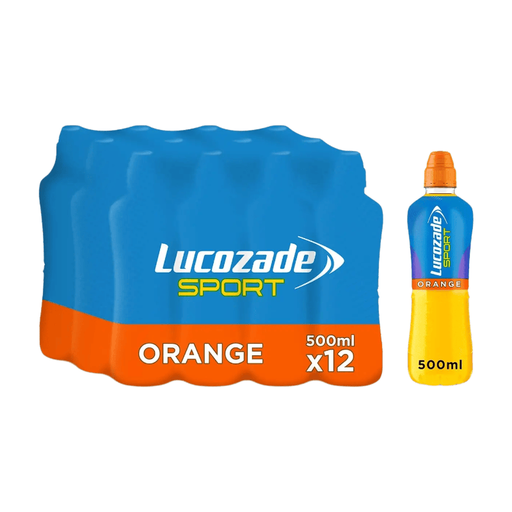 Image unavailable
For a longer ride when you are considering a drink containing carbohydrate and electrolytes, Lucozade describes its Sport line as containing both. This pack contains twelve 500 ml bottles. Check the packaging for bottle-cage fit before carrying one on the bike.
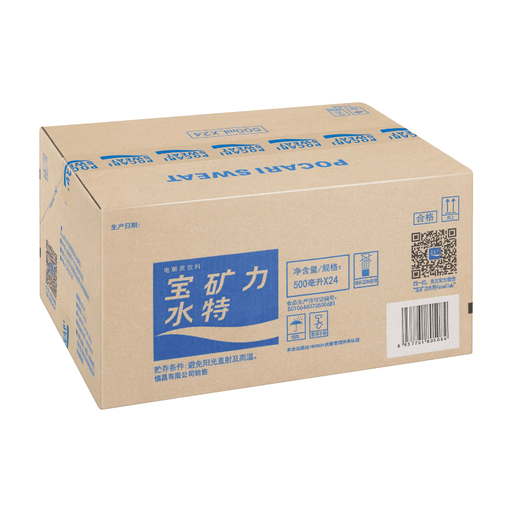 Image unavailable
If you are planning drinks for longer rides, compare this sports drink’s carbohydrate and electrolyte information with your fuelling plan. The pack contains twenty-four 500 ml bottles; confirm the container fits your bicycle before taking one on the ride.
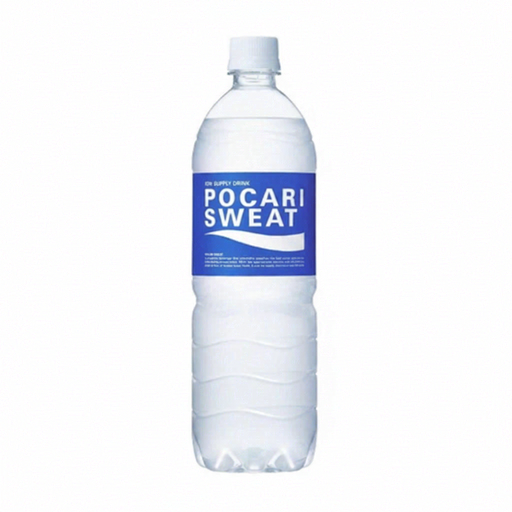 Image unavailable
For a longer ride, check this drink’s label for the carbohydrate and electrolytes your plan calls for. The bottle contains 900 ml; check its dimensions and container material before deciding how to carry it.
Use a purpose-built cycling bottle for drinking while riding, and keep a glass-bottle drink for a stationary stop. Do not assume that a glass drink bottle fits a bicycle bottle cage; British Cycling also identifies broken glass as an urban cycling puncture hazard. This is a precaution about carrying the drink, not a claim that glass bottles are prohibited.
Consider a sports drink when a ride beyond about 90 minutes calls for fluid and carbohydrate as part of your fuelling plan. British Cycling advises planning additional fuel for longer rides, while Lucozade says its Sport line contains carbohydrate and electrolytes. If you choose an energy drink for caffeine instead, check its nutrition label and plan fluid and fuel separately.
It depends on the product: Paprika Store UK lists 15 mg caffeine per 100 ml for its 250 ml BOMBA glass-bottle drink, equivalent to 37.5 mg in that bottle. For comparison, Red Bull UK states 80 mg in its 250 ml can. Check the label of the drink you intend to buy rather than applying either figure to other products.
Add the caffeine from the intended drink to any coffee, tea, gels or supplements you will also consume. The European Food Safety Authority states that single doses up to 200 mg and daily totals up to 400 mg from all sources do not raise safety concerns for healthy adults; these are not targets, and individual circumstances, including pregnancy or clinical advice, require a different check.