Marathon trainees planning long runs
If you are planning fuel for a long session, the carbohydrate in one drink needs to be considered alongside what you will drink and eat during the rest of the run.


A glass-bottle energy drink can contribute caffeine and carbohydrate before a training run if you have tried it in training and counted caffeine from other sources, but it is not a complete marathon-fuelling plan. For a long run, plan carbohydrate and fluids across the session; a sports drink and separate fuel are options to assess against that plan. Glass packaging is more practical before or after running than as an on-course container, and you should check your event’s rules.
If you are planning fuel for a long session, the carbohydrate in one drink needs to be considered alongside what you will drink and eat during the rest of the run.
If you want a measured serving before a run, check the drink’s caffeine amount and count coffee, gels and other sources too. Try your approach in training rather than for the first time at an event.
If the glass bottle is part of the appeal, check the exact variant and its label. Plan separately how you will carry fluids while running and check the rules of any event you enter.
Consider it: If you want a small, measured drink before training and already know how you tolerate it.
Trade-off: A drink chosen for its glass format does not replace a plan for fuel and fluids throughout a long run.
Consider it: For longer sessions where you want to plan what you drink and how much carbohydrate you take in over time.
Trade-off: You still need to check each product’s label and practise the combination you intend to use.
| Priority | What to check | Your needs |
|---|---|---|
| Carbohydrate | Read the grams per serving and work out how each planned serving contributes over the session. A 2015 sports-nutrition paper indexed by PubMed advises 30–60 g per hour for exercise lasting 1–2.5 hours; its higher rate of up to 90 g per hour concerns well-trained athletes exercising intensely for longer than 2.5 hours and requires mixed glucose and fructose. | For a long run, I want to know what the drink contributes and what other fuel I will need to plan, rather than relying on one bottle. |
| Caffeine | Check caffeine per serving and add up all sources used that day. The European Food Safety Authority’s 2015 assessment gives population-level figures for generally healthy adults, not an individual target; it does not assess medical conditions or caffeine combined with medicines. | If I use caffeine before a run, I want to account for coffee, gels and other drinks, and try the approach during training. |
| Carrying fluids | Check whether the container fits your running carry system and your event’s rules. London Marathon Events suggests refillable bottles, hydration packs and bottle belts as ways to carry water while running. | I may like glass packaging before a run, but I need a practical way to carry fluids during it. |
| Exact variant | Compare the packaging, nutrition panel and caffeine amount on the item you intend to buy. MCR Snack Distro lists an imported 250 ml Red Bull glass bottle; Tesco lists a regular 250 ml Red Bull product. Do not assume their labels are interchangeable. | If glass is the reason I am choosing a drink, I want to confirm that the item and its stated contents match what I expect. |
Carbohydrate in a bottle is only one contribution. The amount needed across a long session depends on the duration and the fuelling approach you are planning.
Check the carbohydrate per serving, then plan when you will use that drink and any other fuel during training.
Coffee, tea, gels and other drinks can add to the same day’s intake. The European Food Safety Authority’s 2015 caffeine assessment is a reference for the generally healthy adult population, not an assessment of individual sensitivity or medical conditions.
Add up the stated caffeine amounts from everything you intend to use and try the combination in ordinary training.
MCR Snack Distro’s imported glass-bottle listing and Tesco’s regular Red Bull listing describe different retail items. The label on one should not stand in for the label on the other.
Check the exact bottle’s nutrition information, caffeine amount, packaging and seller details before choosing it.
A glass bottle chosen for presentation may not suit the way you carry fluids on a run. London Marathon Events suggests refillable bottles, hydration packs and bottle belts for carrying water.
Decide what you will carry during training and check your specific event’s rules before planning to take any container onto its course.
Red Bull is relevant if you are comparing a small energy-drink serving with an imported glass-bottle variant.
Lucozade describes its Sport range as drinks containing carbohydrates and electrolytes for exercise; Lucozade Energy is a different range.
Tesco lists Monster Energy and Monster Energy Zero Sugar among its energy drinks, including 4 × 500 ml packs.
Tesco lists Relentless Origin in a 4 × 500 ml pack as a standard energy-drink option.
These Joybuy options are sports and electrolyte drinks to consider as part of a planned training intake, rather than a selection of confirmed glass-bottle energy drinks. Check each item’s label against the fuel, fluid and caffeine choices you intend to make.
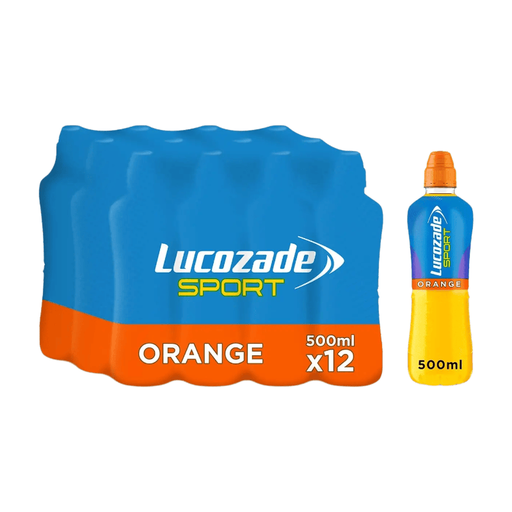 No image available
For a long-run plan, compare the exact drink’s carbohydrate information with the other fuel you intend to use. This is a pack of 12 × 500 ml; check the item’s packaging and caffeine information if either matters to your choice.
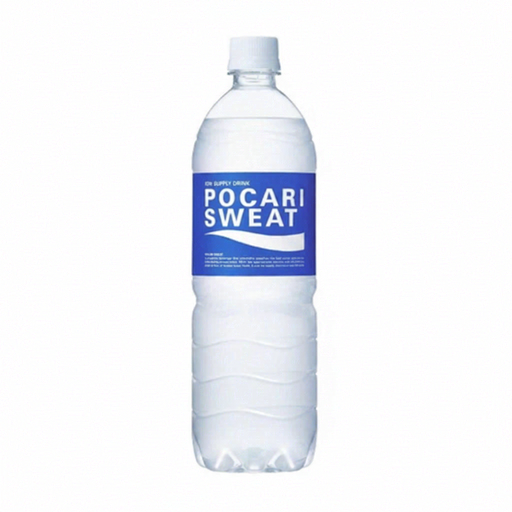 No image available
If you are planning what to drink during a session, compare the exact product’s nutrition panel with your other planned fuel. Check whether its 900 ml container fits your carry system, and confirm the packaging material or caffeine amount if relevant.
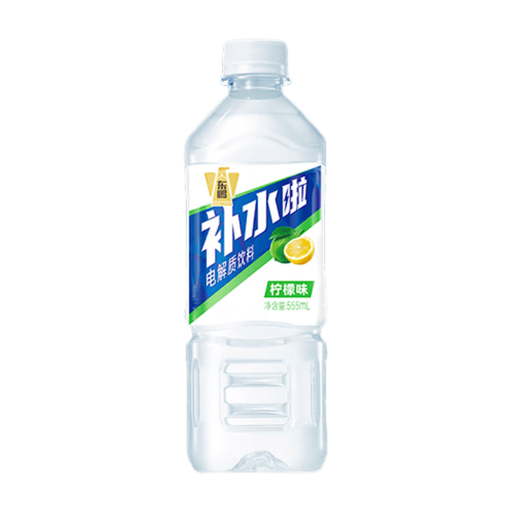 No image available
Consider this electrolyte drink alongside the rest of your training drinks and fuel, rather than assuming one 555 ml serving covers a session. Read the exact label for carbohydrate and caffeine, and confirm the container material if you specifically want glass.
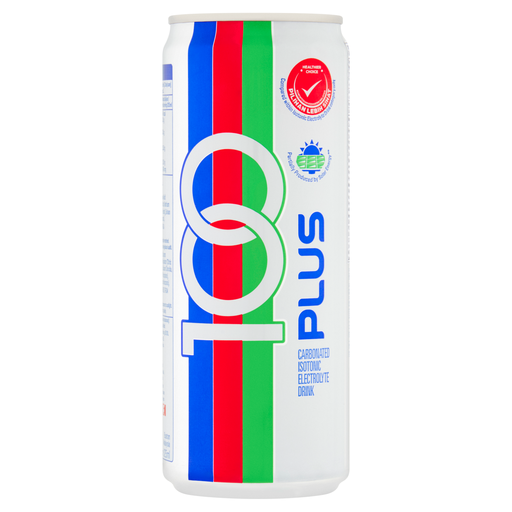 No image available
If you are considering a drink during training, try the carbonated format in an ordinary session before relying on it for an event. This is a 325 ml drink, not a glass-bottle option; check its label when working out its contribution to your fuel plan.
Do not rely on one glass-bottle energy drink as the whole fuel plan. A 2015 sports-nutrition paper indexed by PubMed advises 30–60 g carbohydrate per hour for exercise lasting 1–2.5 hours; it discusses up to 90 g per hour only for well-trained athletes exercising intensely for longer than 2.5 hours, using mixed glucose and fructose. MCR Snack Distro lists 28 g carbohydrate in its imported 250 ml Red Bull glass bottle, so assess it as one possible contribution alongside the rest of your planned intake.
Count the caffeine in all the drinks and foods you plan to use, including coffee and gels, then try your approach in training. The European Food Safety Authority’s 2015 assessment found that single doses up to 200 mg and daily intake up to 400 mg from all sources did not raise safety concerns for generally healthy adults, except that its daily figure does not apply to pregnant women. Those figures are not consumption targets or an individual medical assessment; the assessment does not cover people with medical conditions or caffeine combined with medicines.
Yes. On 16 July 2026, the Department of Health and Social Care announced a ban in England from April 2027 on sales to under-16s of drinks other than tea or coffee containing more than 150 mg caffeine per litre. It is an announced future England-specific measure, not a UK-wide restriction already in force.