Leisure cyclists stopping for a drink
A glass-bottled cola, fruit fizzy drink or sparkling water may appeal at a café or after a ride. The choice is different from selecting a drink to carry and use regularly while cycling.


A glass-bottled fizzy drink makes more sense as a drink at a stop or after a ride than as your default on-bike drink. For longer or harder rides, plan fluids and any carbohydrate intake separately: a zero-sugar drink provides no carbohydrate fuel, while the sugar in a regular fizzy drink does not, by itself, make it a complete hydration plan. Check the exact bottle, label and carrying arrangements before deciding where it fits.
A glass-bottled cola, fruit fizzy drink or sparkling water may appeal at a café or after a ride. The choice is different from selecting a drink to carry and use regularly while cycling.
Flavour is only one consideration when you need a workable fluid and fuelling routine. British Cycling advises regular drinking during a ride, with conditions affecting fluid needs; check how any drink fits the routine you plan to use.
The distinction matters if you are counting carbohydrate intake. The reviewed UK labels for Coca-Cola Zero Sugar, Pepsi Max and Sprite Zero list 0g sugars per 100ml; check the exact variant rather than assuming that every fizzy drink serves the same purpose.
Start with when you intend to drink it: an off-bike stop and regular drinking during a ride place different demands on the bottle and its contents.
| Priority | What to check | Your needs |
|---|---|---|
| Drinking during a ride | Check whether the container can be carried securely and used at the intervals you plan. British Cycling advises sipping from a bidon every 5–10 minutes and describes 500–1,000ml per hour of electrolyte-containing fluid, depending on conditions; that guidance does not establish that a glass bottle suits your route. | I need a drinking routine I can use safely and consistently while riding, rather than a bottle that only works at a stop. |
| Carbohydrate and sugar | Read carbohydrate and sugars per 100ml and for the amount you will actually drink. Coca-Cola GB lists 10.6g sugars per 100ml for Original Taste and 0g for Zero Sugar. The NHS advises adults to keep free sugars to no more than 30g a day. | If I am planning carbohydrate intake for a ride, I need to know what the exact drink contributes. If I only want the flavour, sugar content may lead me to a different variant. |
| Bottle format | Confirm the material, size, closure and a safe way to transport the bottle. A glass-bottle preference for a café stop does not establish bottle-cage fit or suitability for carrying on a ride. | I would like a glass bottle at a stop, but I do not want to assume I can carry or open that same bottle while cycling. |
| Flavour and variant | Check the exact nutrition and ingredients label, including caffeine-containing flavourings where relevant. Coca-Cola GB lists caffeine flavouring for Coca-Cola Original Taste and Zero Sugar; its Fanta Orange page describes that variant as caffeine free. | I may want a cola, fruit flavour or sparkling water without choosing a drink for its carbohydrate content. The particular variant matters more than the broad flavour category. |
A regular fizzy drink can contain carbohydrate, but its sugar content alone does not address how often you will drink or whether your planned fluids suit the conditions.
Plan your on-bike drinking and any carbohydrate intake separately. Treat the fizzy drink as an additional choice unless you have worked out how it fits that plan.
Coca-Cola GB and Pepsi UK list 0g carbohydrate per 100ml for Coca-Cola Zero Sugar and Pepsi Max respectively. Those variants do not contribute carbohydrate to a ride plan.
If your plan includes carbohydrate intake, account for it through a separate food or drink rather than the zero-sugar variant.
The amount you drink changes the sugar total. For example, Pepsi UK lists 15g sugars for its reviewed 330ml serving; that serving figure should not be applied to a different pack size.
Read the label on the exact variant and calculate from its stated serving or bottle size. The NHS advises keeping both the amount and frequency of sugary drinks as low as possible.
A bottle that works at a table may not be practical to carry, access or secure on a bicycle. Glass also needs care in transport.
Check the material, closure, dimensions and a secure carrying method before considering the bottle for a ride. Check local disposal arrangements for where you use it.
These references help distinguish drink types and labels; they are not a list of glass-bottle products available from Joybuy.
Coca-Cola GB publishes nutrition information for Original Taste and Zero Sugar.
Pepsi UK shows nutrition information for regular Pepsi and Pepsi Max, including serving information on the regular product page.
Sprite is a lemon-and-lime alternative to cola, with regular and Zero variants on Coca-Cola GB.
Fanta Orange provides a fruit-flavoured option rather than a cola flavour.
Coca-Cola GB lists regular and Zero variants of this flavoured fizzy drink.
Tesco Groceries is a retailer reference for checking sparkling-water bottle formats, rather than a drinks brand.
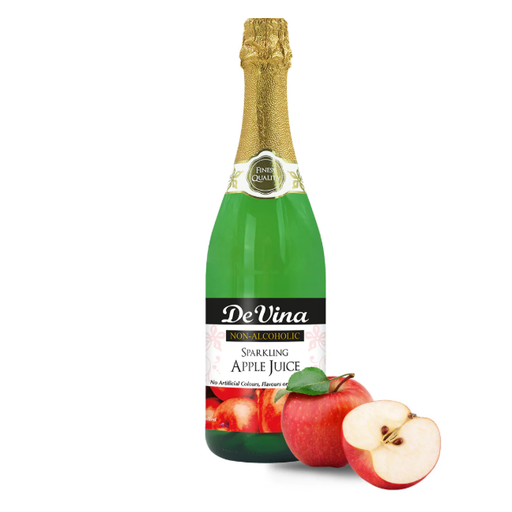
This sparkling apple option is relevant to a fizzy drink at an off-bike stop; assess any on-bike drinking and fuelling needs separately.
 No image available
A 750ml sparkling apple drink to consider for an off-bike stop. Check the exact bottle label for carbohydrate and sugar values before counting it as ride fuel, and confirm the container and closure before deciding how to carry it.
Do not assume it can replace a drinking routine for a long or hard ride. British Cycling advises drinking regularly from a bidon and describes electrolyte-containing fluids in its guidance, with the amount depending on conditions. Check whether the particular bottle can be carried and used safely on your route.
The reviewed Coca-Cola Zero Sugar and Pepsi Max labels list 0g carbohydrate per 100ml, so those drinks do not provide carbohydrate fuel. If carbohydrate is part of your ride plan, account for it separately and check the label of the exact drink you choose.
Its carbohydrate content is only part of the decision. Coca-Cola GB lists 10.6g carbohydrate per 100ml for Original Taste, while British Cycling’s hydration guidance also addresses regular fluid intake and conditions. Check your planned amount, how you will carry it and how it fits alongside the rest of your ride plan.
The NHS advises adults to have no more than 30g of free sugars a day and to keep the frequency and amount of sugary drinks as low as possible. Read the sugar figure for the amount you will actually drink, rather than relying only on the per-100ml value.