What should you check before buying?
Start with the run’s duration and your fluid-and-fuel plan, then compare the exact drink label and the container you would use.
| Priority | What to check | Your needs |
|---|
| Carbohydrate |
Compare grams per 100 ml with the volume you expect to drink and any separate fuel. World Athletics gives 30–60 g per hour for events lasting 1–2.5 hours, and up to 90 g per hour beyond 2.5 hours. |
For a long run, I want to know how the drink fits into my hourly fuel plan, rather than assuming that a sweet taste supplies enough carbohydrate. |
| Fluid and electrolytes |
Check the stated salt or sodium amount on the same quantity basis when comparing labels. Consider the drink alongside your fluid plan, particularly when conditions or sweat losses change. |
I need a way to carry and drink fluid that I can practise in training; a lemon-flavoured drink alone does not establish its electrolyte contribution. |
| Format and tolerance |
Check whether the exact drink is carbonated, its pack size and material, and the event’s container guidance. London Marathon Events identifies hydration vests and hand-held running bottles for runners carrying their own container. |
A glass bottle appeals for serving, but I would choose an on-run container around my carrying method and the rules of my particular event. |
| Sugar and acidity |
Read carbohydrate and sugars for the exact regular or diet variant. Torbay and South Devon NHS Foundation Trust identifies acidic drinks, including sugar-free lemonade, as a potential cause of dental erosion. |
If I only want a lemon-flavoured drink after training, I do not need to treat it as fuel. Sugar-free also does not mean acid-free. |
Brand and retailer references
Compare the exact variant and pack: a familiar lemonade name does not establish its carbohydrate content or whether its bottle is glass.
R. White’s
Regular and diet lemonades serve different purposes when carbohydrate matters.
- R. White’s lists 2.4 g carbohydrate, 2.4 g sugars and 0.03 g salt per 100 ml for its regular lemonade.
- Tesco identifies its listed 1.5 L R. White’s bottle as plastic. Check the exact pack rather than assuming the brand means glass.
Sprite
A carbonated lemon-and-lime alternative available in regular and zero-sugar forms.
- Coca-Cola Great Britain lists 4.4 g carbohydrate and 0.04 g salt per 100 ml for regular Sprite.
- Sprite Zero lists 0 g carbohydrate per 100 ml, so it does not serve as carbohydrate fuel.
Belvoir Farm
Its Freshly Squeezed Lemonade is a sparkling drink offered in 275 ml and 750 ml sizes.
- Belvoir Farm lists 4 g carbohydrate and 4 g sugars per 100 ml for this drink.
- The same listing gives 0 g salt per 100 ml. Check the actual pack if glass packaging is important to you.
Tesco
Its lemonade range includes standard, diet and premium sparkling options.
- The range allows comparison of different lemonade styles and pack sizes.
- Tesco advises checking product labels because recipes and nutrition information can change.
M&S
Its Diet Lemonade is an option when the aim is lemonade flavour rather than carbohydrate fuel.
- Marks & Spencer lists 0.1 g carbohydrate per 100 g for M&S Diet Lemonade.
- Check the exact product label and packaging before choosing it for a particular use.
Drinks to compare on Joybuy
These options include sports and electrolyte drinks plus a carbonated lemon drink. Compare their stated carbohydrate and salt or sodium with your running plan; none should be assumed to be glass-bottle lemonade.
 No image available
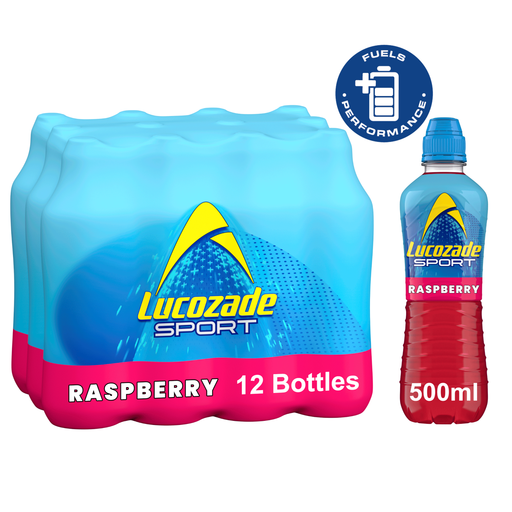
Lucozade Sport Raspberry 12 × 500 ml Bottles
An isotonic sports-drink option to compare with lemonade when planning carbohydrate and fluid for training. The listing states 6.3 g carbohydrate and 0.12 g salt per 100 ml; work the amount you intend to drink into your wider plan.
The listing says it contains aspartame, a source of phenylalanine, and is not suitable for people with phenylketonuria. Check carbonation and bottle material if either affects your choice.
View on Joybuy
 No image available
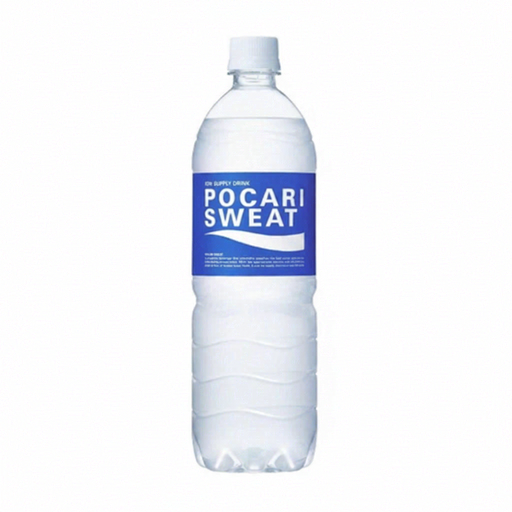
Pocari Sweat Drink 900 ml
This isotonic drink lists 6.2 g carbohydrate and 49 mg sodium per 100 ml, figures you can use when comparing it with your planned fuel and fluid intake.
Consider whether a 900 ml bottle fits your carrying method. Check its carbonation and container material before choosing it for a run or a glass-bottle preference.
View on Joybuy
 No image available
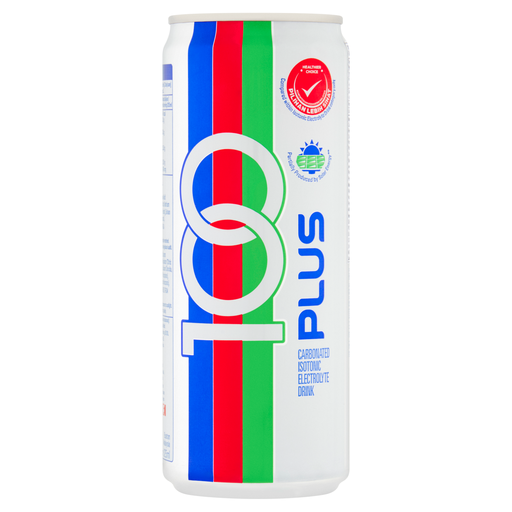
F&N 100 Plus Malaysian Carbonated Isotonic Drink 325 ml
A carbonated isotonic drink in a can, not a glass-bottle lemonade. Its listing states 4.9 g carbohydrate and 0.11 g salt per 100 ml.
If considering it during a run, practise with carbonation first and assess its contribution alongside the rest of your fuel and fluid plan.
View on Joybuy
 No image available
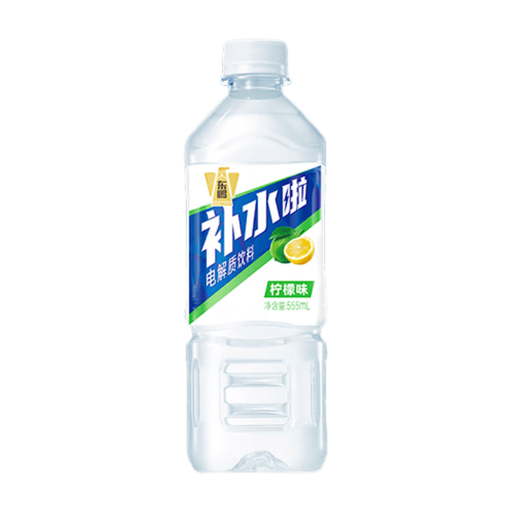
DP Lemon-Flavoured Electrolyte Drink 555 ml
For a lemon-flavoured option with stated nutrition, this drink lists 6.3 g carbohydrate and 0.10 g salt per 100 ml. It is described as an electrolyte drink, not as lemonade.
Check carbonation and container material if you intend to carry it while running or want a particular type of bottle.
View on Joybuy
 No image available
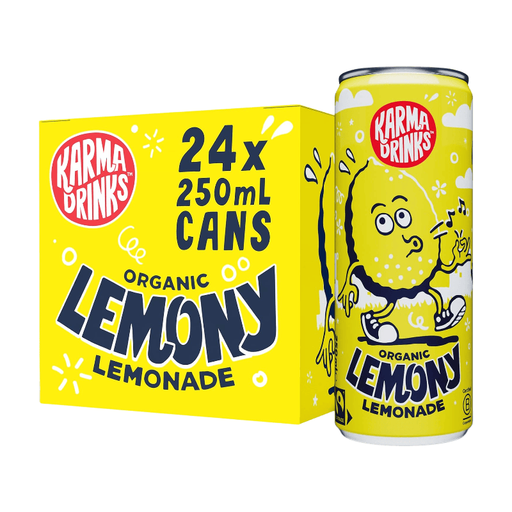
Karma Lemony 24 × 250 ml Cans
This carbonated lemon drink lists 7.9 g carbohydrate per 100 ml. It may be considered as a secondary carbohydrate drink if you have practised using it, not as your entire marathon fuel-and-fluid plan.
It comes in cans rather than glass bottles. Consider whether carbonation suits you while running.
View on Joybuy
Questions about lemonade and long runs
Can lemonade replace a sports drink on a marathon long run?
Do not assume lemonade alone covers your fluid and fuel plan. World Athletics advises replacing fluid and carbohydrate during prolonged events; regular lemonades differ in their stated carbohydrate and salt, so compare the exact label with what you intend to drink and any separate fuel you have practised using.
Does zero-sugar lemonade provide fuel for a long run?
It provides little or no carbohydrate fuel. Coca-Cola Great Britain lists 0 g carbohydrate per 100 ml for Sprite Zero, while Marks & Spencer lists 0.1 g per 100 g for M&S Diet Lemonade. Plan a separate carbohydrate source when your session calls for one.
Can I take a glass bottle to a marathon?
Check the rules for your particular event before bringing one. London Marathon Events identifies hydration vests and hand-held running bottles for runners carrying their own containers; that guidance does not establish a rule for every marathon.
Does sugar-free lemonade avoid the concern about acidity?
No. Torbay and South Devon NHS Foundation Trust identifies acidic drinks, including lemonade advertised as sugar-free, as a potential cause of dental erosion. Consider how often you drink it, rather than treating the sugar-free label as a statement about acidity.
What is a glass-bottle lemonade useful for after training?
It can be a choice for flavour and serving after a run, but the bottle does not establish its suitability as running fuel. Check the exact drink’s label if its carbohydrate content matters to your wider food-and-fluid plan.


