People finishing an ordinary gym session
If replacing fluid is the main concern, start with water. The NHS recommends it for fluid lost through physical activity; a glass bottle does not change what a drink provides.


For replacing fluid after an ordinary workout, choose water rather than an energy drink for its glass bottle: the NHS identifies water as the way to replace fluid lost through activity. If you need to refuel quickly after demanding or repeated exercise, the British Dietetic Association advises carbohydrate-rich food and fluids. Glass packaging adds no recovery benefit, and your gym may not allow it.
If replacing fluid is the main concern, start with water. The NHS recommends it for fluid lost through physical activity; a glass bottle does not change what a drink provides.
When quick recovery matters, consider food as well as a drink. The British Dietetic Association advises carbohydrate-rich food and fluids after exercise when rapid refuelling is required.
If the format or taste is the attraction, treat the drink as a separate choice from post-workout refuelling. Check its caffeine and sugars per bottle, and whether glass is allowed where you plan to take it.
Decide whether you chiefly need fluid, quick refuelling or simply a caffeinated drink, then check the whole container and the rules at your venue.
| Priority | What to check | Your needs |
|---|---|---|
| Replacing fluid | Consider how much you have sweated. For ordinary fluid replacement after activity, the NHS recommends water; do not choose a drink on its packaging alone. | After a routine session, I mainly want something to drink to replace fluid. |
| Quick refuelling | Consider how demanding the session was and when you will train again. The British Dietetic Association advises carbohydrate-rich food and fluids when quick recovery is required. | With another session coming up soon, I need to plan food and fluids, not rely on an energy-drink label. |
| Caffeine | Read the amount in the full container and count other caffeine sources. Red Bull UK lists 80mg per 250ml can of Sugarfree; Monster Energy UK lists 160mg per 500ml can of Original Green. | If I choose caffeine after exercise, I want to know what the whole drink adds to my day. |
| Sugars and drink type | Compare sugars for the stated container size and distinguish a sports drink from an energy drink. MCR Snack Distro lists 28g sugars in its imported 250ml glass-bottled Red Bull. | I may want a lower-sugar caffeinated drink, but that is a different aim from carbohydrate refuelling. |
| Container rules | Check the bottle material, closure and your venue’s current rules. Leeds City Council’s gym code prohibits glass bottles and cans in its gyms. | Before carrying a glass bottle to training, I want to know whether it can go inside. |
A bottle’s material does not establish what the drink contributes to fluid replacement or refuelling. MCR Snack Distro lists 80mg caffeine and 28g sugars in its imported 250ml glass-bottled Red Bull.
Choose for the contents and your exercise needs first; check the glass format separately if it matters to you.
A full serving can contain more caffeine than a small label figure suggests. Monster Energy UK lists 160mg in a 500ml can of Original Green, before accounting for other caffeine consumed that day.
Check the full-container amount and include caffeine from other drinks and supplements when considering your intake.
A sugar-free energy drink does not provide the carbohydrate-rich food and fluids that the British Dietetic Association advises when quick recovery is required.
If you have trained hard and need to recover quickly, plan what you will eat and drink rather than treating a sugar-free energy drink as a meal or snack.
Container rules can affect whether you can use the drink where you intended. Leeds City Council’s gym code bans glass bottles and cans while allowing plastic drink bottles.
Check your own facility’s rules before buying a glass bottle to take inside.
Lucozade describes its Sport range as formulated for fuel and hydration needs during activity.
Red Bull has caffeinated energy-drink options in different containers, including an imported glass-bottle example listed by MCR Snack Distro.
Monster Energy’s Original Green illustrates a larger conventional energy-drink serving.
Relentless is another conventional energy-drink option to consider separately from post-workout food and fluid needs.
Tesco Groceries groups sports drinks, energy drinks and protein shakes within its Sports & Energy Drinks category.
Sainsbury’s Groceries lists energy drinks in formats including bottles, cans and multipacks.
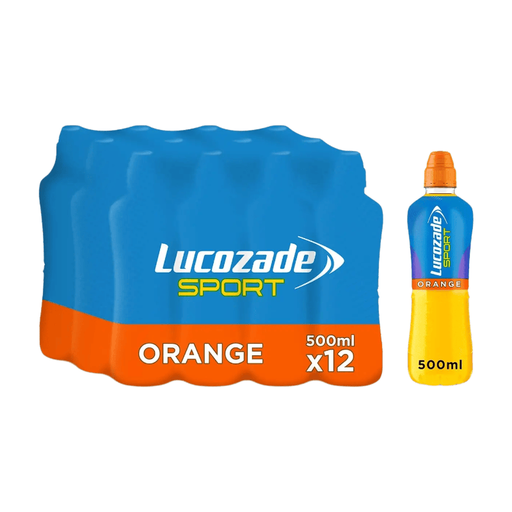
This Lucozade Sport option is for shoppers considering a sports drink around exercise, rather than a glass-bottled energy drink.
 No image available
A sports-drink option to consider when exercise makes fluids and fuelling relevant. The pack contains twelve 500ml bottles; check the bottle material before buying if glass is essential.
Glass packaging itself offers no recovery advantage. For replacing fluid after ordinary activity, the NHS recommends water; when quick recovery is required, the British Dietetic Association advises carbohydrate-rich food and fluids. Assess a glass-bottled energy drink by its contents, not its container.
Consider what you need during or after prolonged or demanding exercise, particularly if quick refuelling matters. Lucozade positions its Sport range around fuel and hydration during activity, while the British Dietetic Association advises carbohydrate-rich food and fluids when rapid recovery is required. A sports drink does not replace a meal or snack.
Compare the amount in the whole container and account for caffeine from other sources. Red Bull UK lists 80mg in a 250ml Sugarfree can, while Monster Energy UK lists 160mg in a 500ml Original Green can; those are figures for those specific products and serving sizes.
Check your venue’s rules before taking one in. Leeds City Council’s gym code prohibits glass bottles and cans but allows plastic drink bottles; that rule does not establish the policy at every gym.