Recreational 5k runners
If you want a straightforward hydration choice, the British Dietetic Association recommends water for recreational running. A fizzy drink need not serve as your run fuel.


For a typical recreational 5k, choose water for hydration rather than buying a glass-bottled fizzy drink as run fuel: the British Dietetic Association recommends water for recreational runners, while World Athletics lists 0–20 g of carbohydrate per hour for 45–75 minutes of endurance exercise. If you want a fizzy drink for its flavour, choose it for after the run and check its sugar, caffeine and sweetener label; check the organiser’s rules before taking any bottle onto a course.
If you want a straightforward hydration choice, the British Dietetic Association recommends water for recreational running. A fizzy drink need not serve as your run fuel.
If the flavour and glass-bottle format appeal to you, keep that post-run preference separate from what you drink for hydration.
Regular, zero-sugar, caffeinated and caffeine-free drinks differ. Check the exact product label, particularly if caffeine, sweeteners or a phenylalanine statement matters to you.
Decide what you need during the run before choosing a fizzy drink for afterwards. Glass packaging changes how you might serve or carry a drink, not its role as fuel.
| Priority | What to check | Your needs |
|---|---|---|
| Hydration | For a typical recreational 5k, consider water first, in line with British Dietetic Association guidance. Plan your access to fluid around the conditions and your run. | I want a simple drink for a short run. If it is hot or I expect to sweat heavily, I will think more carefully about my fluid plan. |
| Sugar and carbohydrate | Read sugars per 100 ml and the bottle size before comparing drinks. World Athletics lists 0–20 g of carbohydrate per hour for 45–75 minutes of endurance exercise; a soft drink’s sugar content alone does not make it a tailored fuelling plan. | A fizzy drink appeals to me after the finish, but I do not want to mistake its sugar content for a requirement of my 5k. |
| Ingredients | Check the exact variant for caffeine, sweeteners and any phenylalanine statement. The cited Coca-Cola Original Taste, Pepsi and regular Dr Pepper formulas list caffeine or caffeine flavouring; Coca-Cola GB describes Fanta Orange as caffeine-free. | I would rather choose a flavour and formula whose ingredient label suits my preferences than assume every fizzy drink is alike. |
| Glass-bottle format | Confirm that the specific drink comes in glass and check the organiser’s container rules before bringing a bottle to an event. A retailer listing for one variant does not establish the format of another. | I like a glass bottle after the run, but I need a separate, practical choice for anything I take onto the course. |
Coca-Cola GB lists 10.6 g of sugars per 100 ml for Original Taste. Sugar in a drink does not, by itself, tell you whether you need carbohydrate during a typical recreational 5k.
Choose water for ordinary hydration, as the British Dietetic Association advises for recreational runners. Consider the demands of a longer or unusually hot session separately.
A glass-bottle listing confirms the packaging of that product, not whether an event permits you to carry it.
Keep a glass-bottled drink for home or after the run, and check the specific organiser’s instructions before taking any container onto the course.
The cited Sprite Zero and Dr Pepper Zero formulas each list 0 g of sugars per 100 ml. They are flavour choices, not sources of sugar for a planned carbohydrate intake.
If you choose one after running, check the exact formula and treat any separate fuelling needs as a separate decision.
Ingredients vary by drink and variant. The cited regular colas and Dr Pepper list caffeine or caffeine flavouring, while the cited Sprite Zero and Dr Pepper Zero formulas include sweeteners and a source-of-phenylalanine statement.
Read the label of the bottle you intend to buy rather than relying on the brand name alone.
These examples illustrate label and packaging differences; a brand reference does not establish that every variant comes in glass.
A regular cola example for checking both bottle size and sugar content.
Another regular cola whose formula can be checked against your ingredient preferences.
A lemon-and-lime option with a zero-sugar variant for after-run flavour.
An orange-flavoured example for buyers checking whether a fizzy drink contains caffeine.
Regular and zero-sugar formulas with different sugar and ingredient considerations.
A retailer reference for checking individual listings, rather than a single fizzy-drink formula.
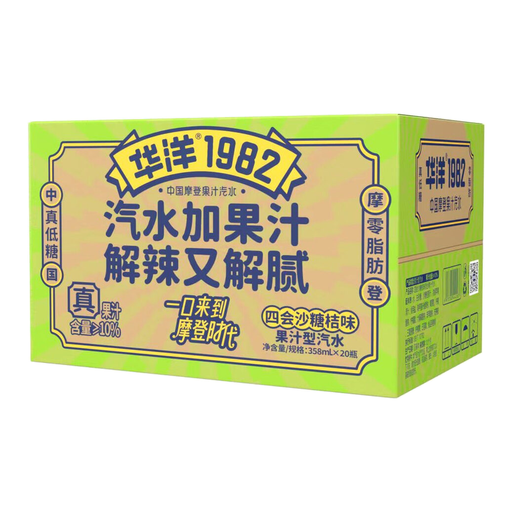
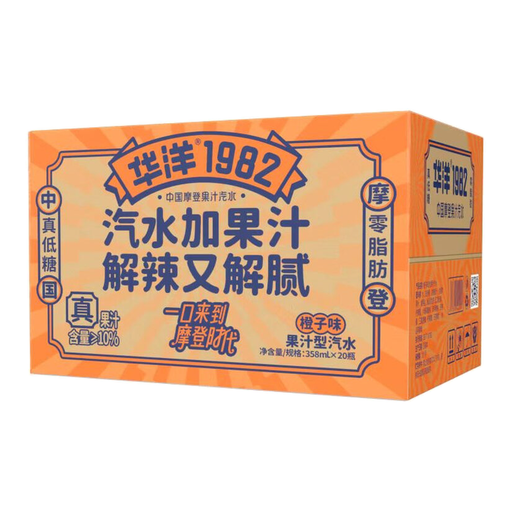
These two fruit drinks are listed in glass bottles and fit a flavour-led choice for after a 5k, rather than a drink to rely on for hydration or run fuel.
 No image available
A glass-bottled fruit soda for enjoying after a run, rather than using as 5k fuel. The pack contains 20 bottles of 358 ml; check the exact label if sugar or caffeine affects your choice.
 No image available
An orange-flavoured glass-bottled drink to consider for after the run, not as default hydration. The pack contains 20 bottles of 358 ml; read the exact label if sugar, caffeine or sweeteners matter to you.
Usually not. World Athletics lists 0–20 g of carbohydrate per hour for 45–75 minutes of endurance exercise, and the British Dietetic Association recommends water for recreational runners’ hydration. Choose a fizzy drink after the run if you want its flavour, rather than assuming you need it as fuel.
Coca-Cola GB describes Fanta Orange as caffeine-free. The cited Coca-Cola Original Taste, Pepsi Classic and regular Dr Pepper formulas list caffeine or caffeine flavouring, so check the exact variant before buying.
Sprite Zero and Dr Pepper Zero each list 0 g of sugars per 100 ml, so do not choose them to supply sugar for a fuelling plan. Their cited formulas contain sweeteners and carry a source-of-phenylalanine statement; read the exact label if those ingredients matter to you.
Check your event organiser’s container rules before bringing one onto the course. If you want a glass-bottled fizzy drink for its flavour, having it at home or after the run keeps that choice separate from what you carry while running.